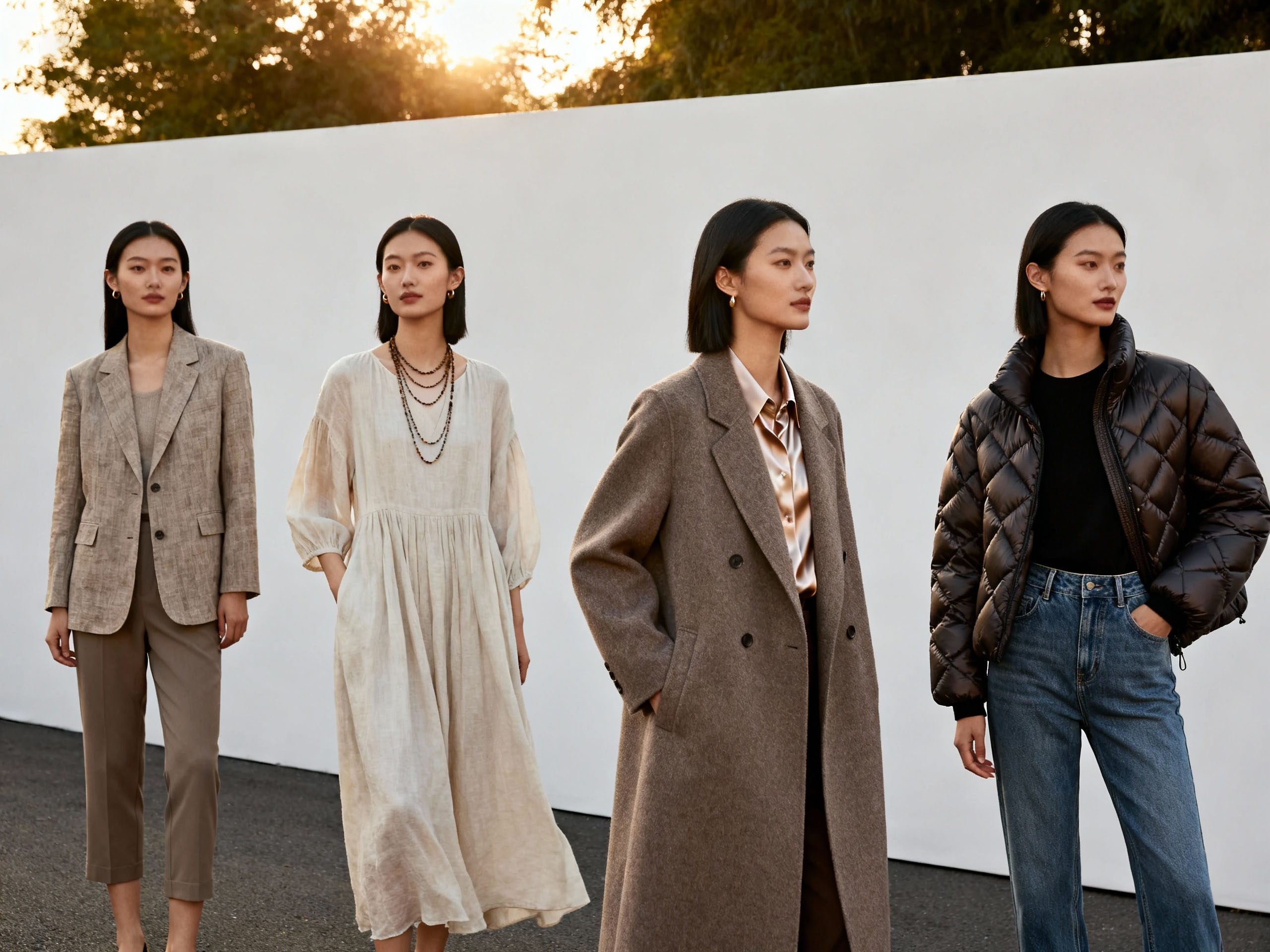
Seasonal fashion is built on simple principles that many people overlook. Understanding these basics helps you dress comfortably, look appropriate, and maintain a consistent personal style throughout the year.
What Seasonal Fashion Really Focuses On
Table of Contents
Seasonal fashion is not about replacing your wardrobe every few months. It focuses on adjusting fabrics, layers, and colors to suit changing weather conditions.
The Role of Temperature in Seasonal Dressing
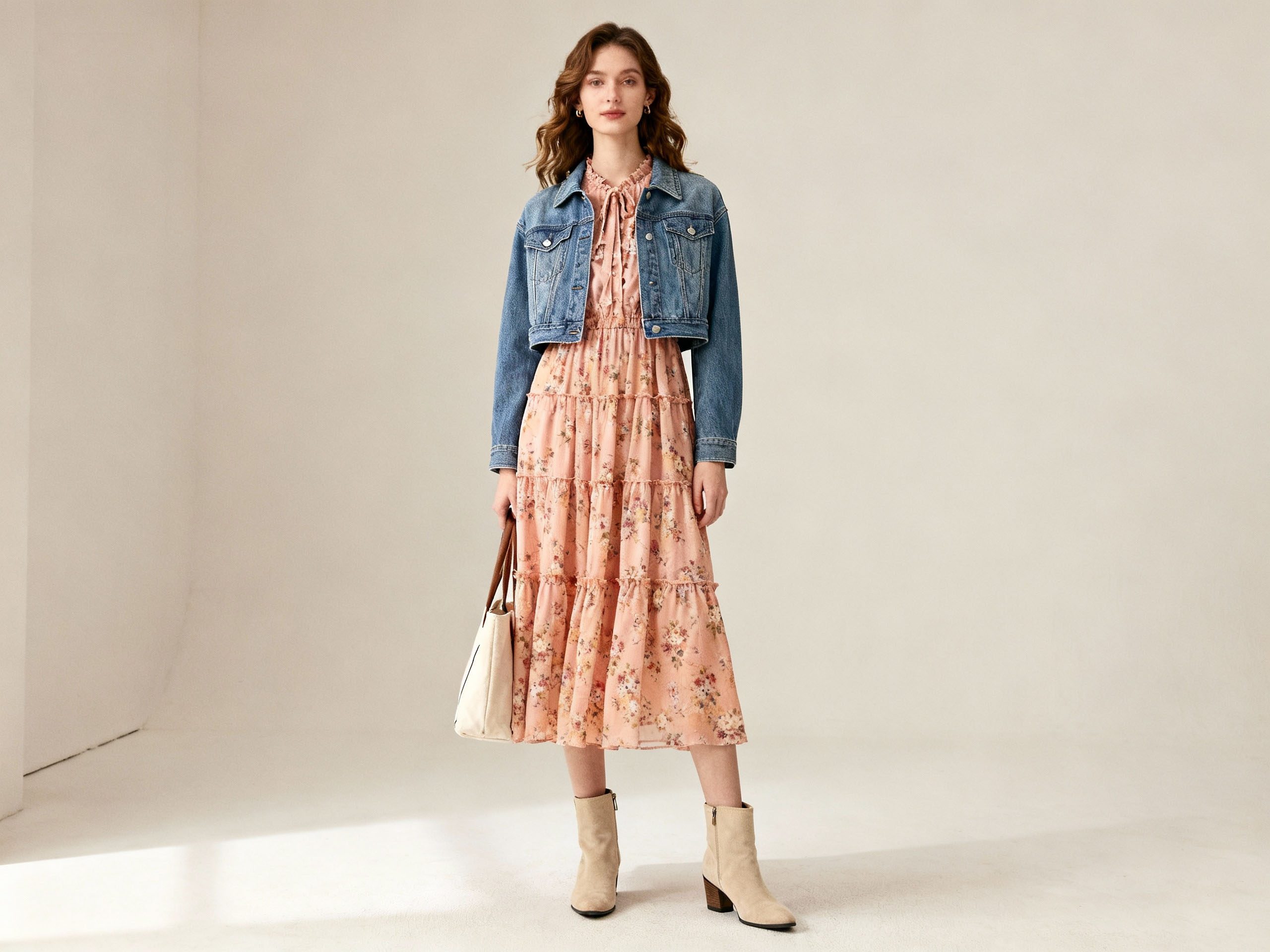
Temperature directly affects how clothing feels and performs on the body. Ignoring temperature leads to discomfort, which quickly affects how confident and put-together an outfit looks.
Why Fabric Choice Is a Core Basic
Fabrics determine breathability, insulation, and movement. Choosing the right fabric for the season keeps outfits comfortable while maintaining their shape and appearance.
How Layers Create Seasonal Balance
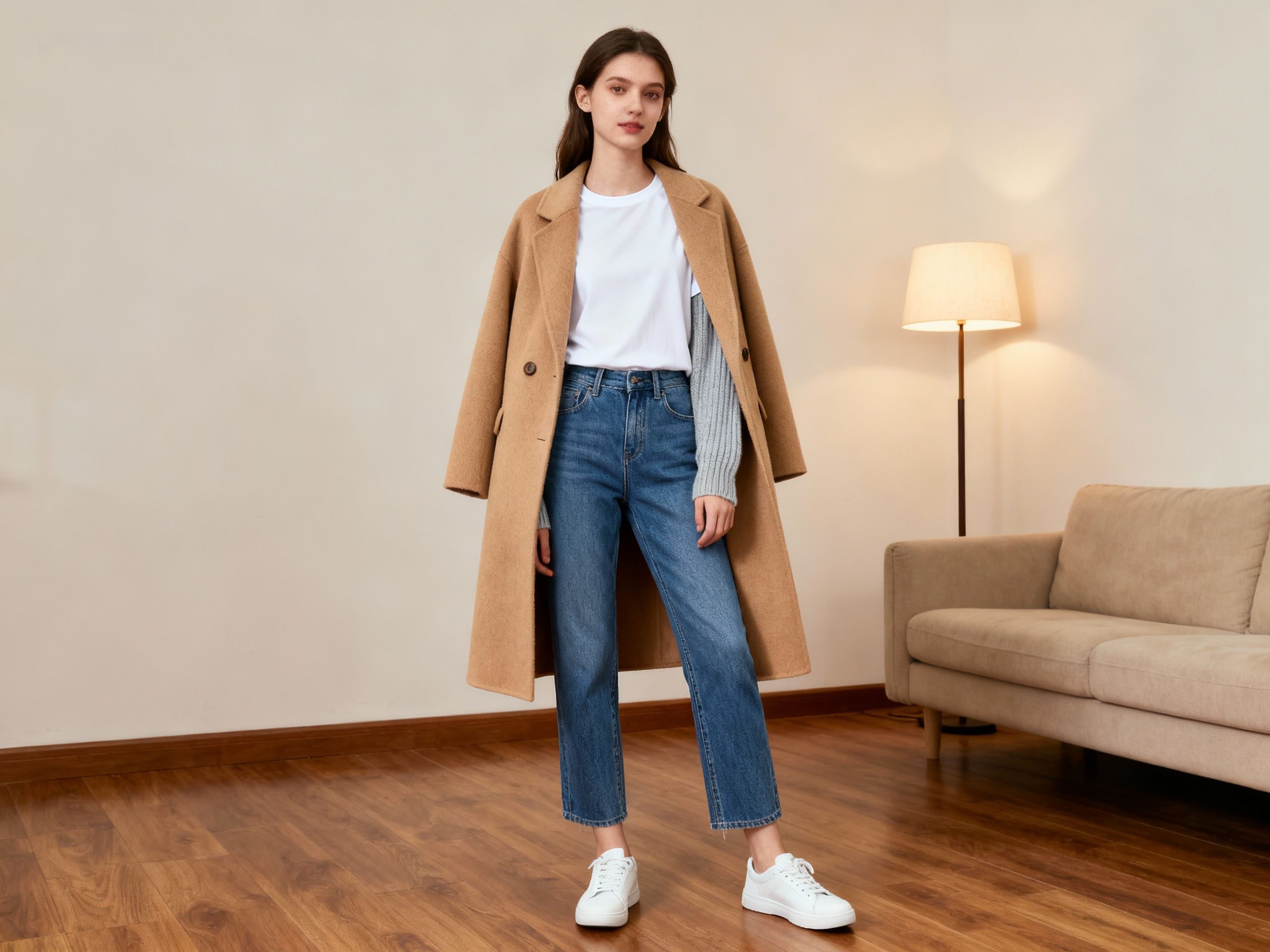
Layering allows outfits to adapt without becoming bulky or restrictive. It helps regulate body temperature while adding visual structure to seasonal looks.
The Importance of Seasonal Color Choices
Colors influence how warm or cool an outfit appears visually. Lighter shades feel fresher in warm seasons, while deeper tones add richness during colder periods.
Fit Changes With Seasonal Needs
Clothing fit should subtly change depending on the season. Looser fits improve airflow in warm weather, while slightly structured fits provide warmth and stability in cooler months.
Footwear as a Seasonal Indicator
Shoes often define whether an outfit feels seasonally appropriate. Choosing footwear that suits the weather enhances both comfort and overall balance.
Why Seasonal Basics Make Styling Easier
When you understand seasonal fashion basics, outfit decisions become simpler. Clothing starts working together naturally instead of feeling forced or mismatched.
Conclusion
Seasonal fashion is about understanding how clothing responds to weather. By mastering the basics, you can dress well in any season with less effort and more confidence.