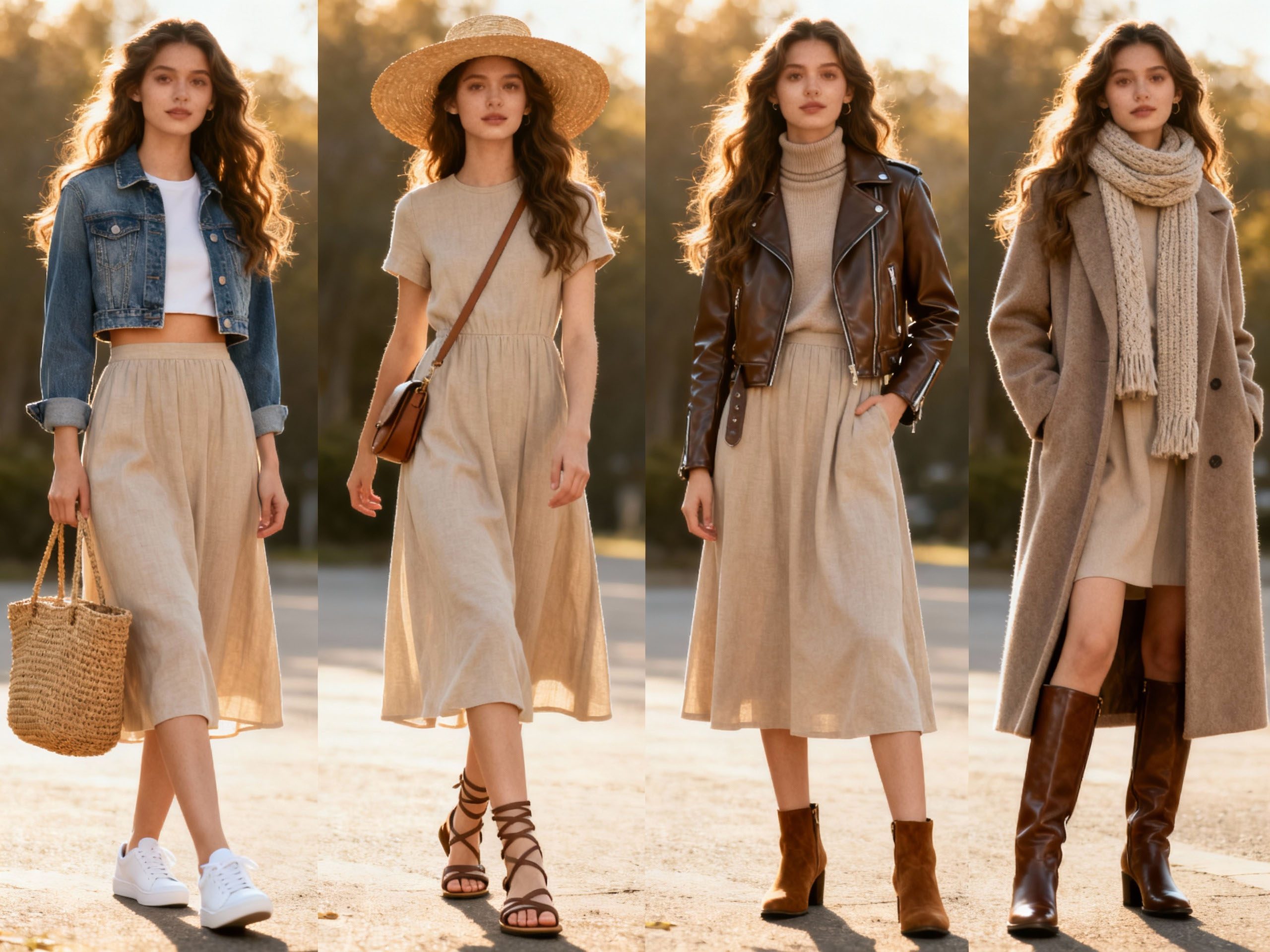
Adapting outfits to different seasons does not require a complete wardrobe change. Small adjustments in layering, fabric choice, and styling details can make the same outfit work year-round.
Why Adaptability Matters in Seasonal Fashion
Table of Contents
Weather changes can happen quickly and unexpectedly. Outfits that adapt easily prevent discomfort and reduce the need for constant outfit changes.
Using Layering as a Seasonal Tool
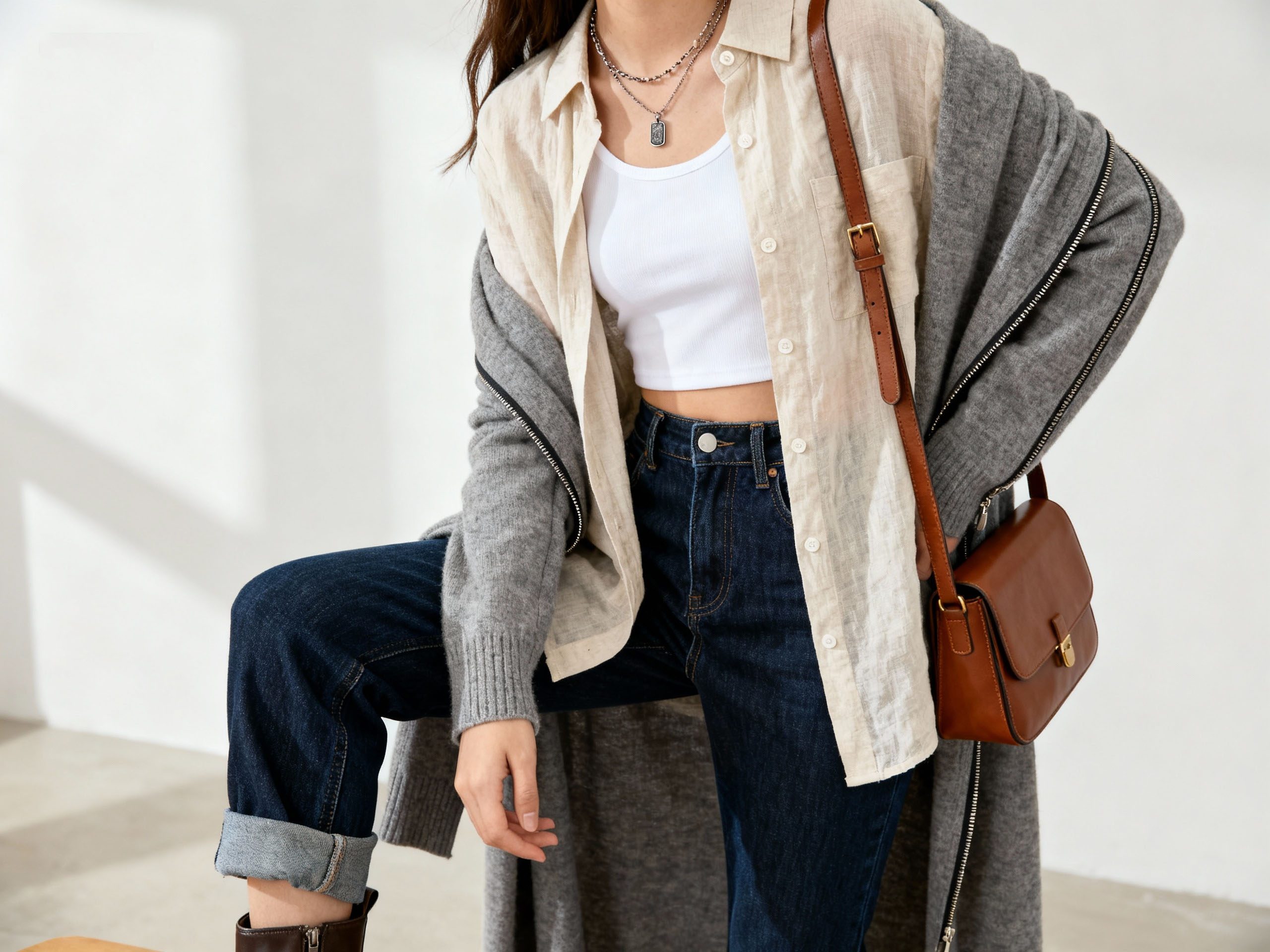
Layering allows one outfit to adjust to temperature shifts throughout the day. Light layers can be added in cool mornings and removed when temperatures rise.
Switching Fabrics Without Changing the Look
The same outfit style can feel completely different depending on fabric choice. Replacing heavy materials with breathable versions keeps the look consistent while improving comfort.
Adjusting Sleeve Length and Coverage

Sleeve length plays a major role in seasonal adaptability. Rolling sleeves, choosing three-quarter lengths, or layering under jackets adds flexibility.
Footwear Changes That Shift the Season
Shoes instantly change how seasonal an outfit feels. Switching between boots, sneakers, or loafers can move an outfit from winter to spring or summer.
Color Adjustments for Seasonal Balance
Colors influence how warm or light an outfit appears. Brighter tones feel fresher in warm seasons, while deeper colors add richness in cooler weather.
Outerwear as a Seasonal Bridge
Light jackets and transitional coats help bridge seasonal gaps. They provide warmth without locking the outfit into one specific season.
Accessories That Adapt With Weather
Accessories can support seasonal transitions without changing the outfit itself. Scarves, belts, and bags adjust both function and visual weight.
Conclusion
Adapting outfits to any season is about flexibility, not replacement. With smart adjustments, one outfit can work comfortably and stylishly across multiple seasons.