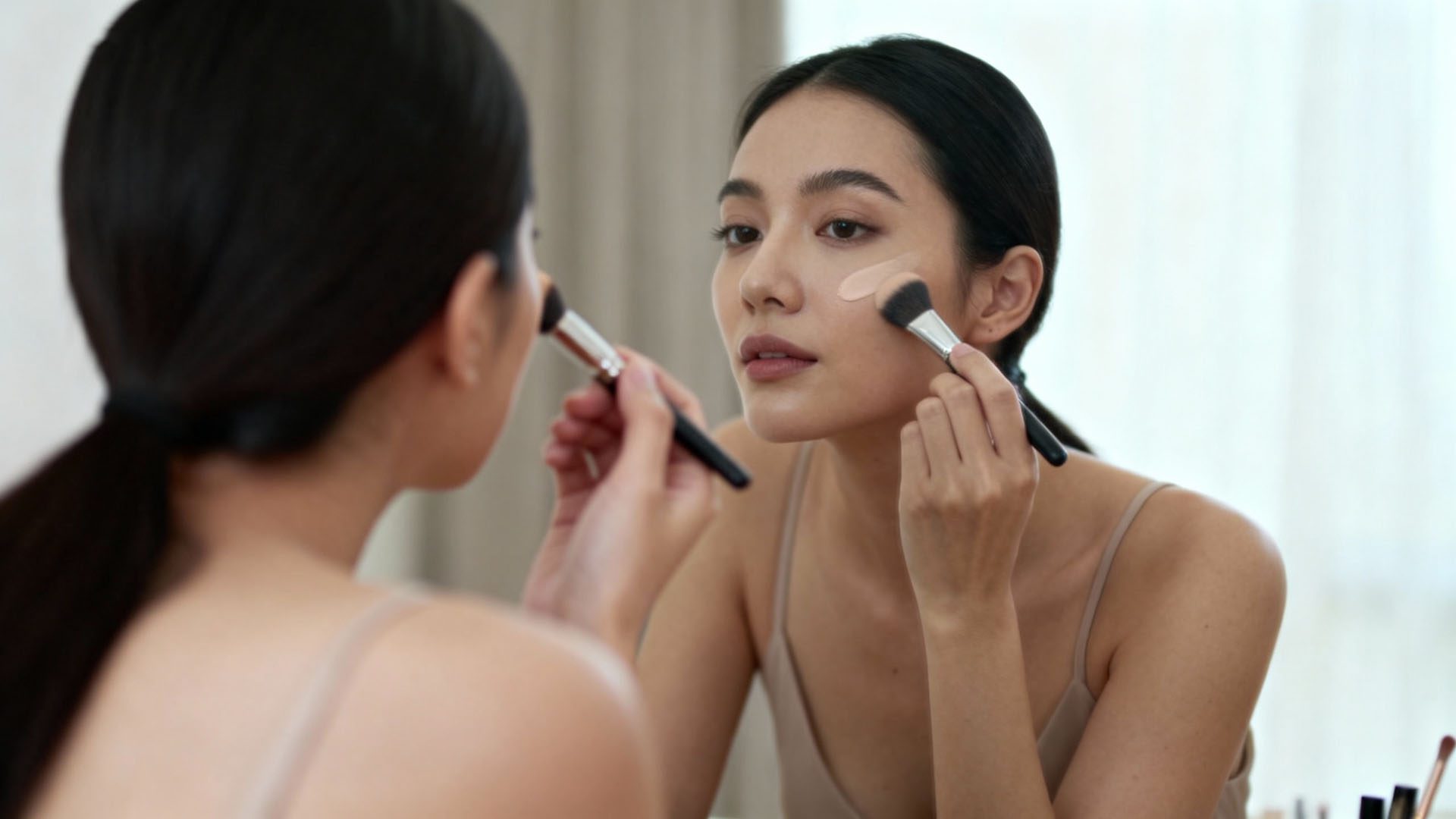
A good base makeup routine is the foundation of every successful makeup look. When your base is done correctly, makeup looks smoother, lasts longer, and appears natural rather than heavy or cakey.
Many beginners believe base makeup is only about applying foundation, but in reality, it is a complete process that starts before makeup even touches the skin. Understanding the correct order, product choices, and application techniques can completely transform how your makeup looks.
What Is Base Makeup?
Table of Contents
Base makeup refers to all the steps and products used to create an even, smooth canvas before applying eye, cheek, and lip makeup. A proper base routine helps correct skin tone, hide imperfections, and improve makeup longevity.
Base makeup typically includes skin preparation, primer, foundation, concealer, and setting products.
Step 1: Skin Preparation
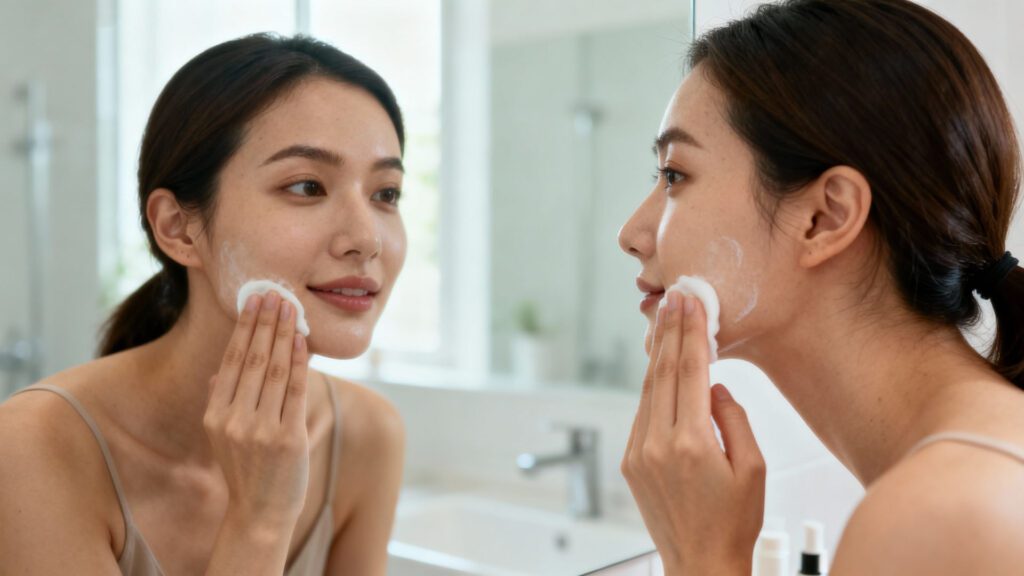
Proper skin preparation helps makeup apply smoothly and last longer.
Skipping skin prep is one of the most common makeup mistakes. Makeup always looks better on well-prepared skin.
- Cleansing: Removes oil, dirt, and leftover skincare.
- Moisturizing: Hydrates the skin and prevents dryness or patchiness.
- Sunscreen (daytime): Protects skin and acts as a smooth base.
Allow skincare products to absorb fully before moving to the next step.
Step 2: Applying Primer

Primer creates a smooth layer between skincare and foundation.
Primer helps blur pores, control oil, and extend makeup wear. While not mandatory, it can significantly improve base makeup results.
- Oily skin: Mattifying or pore-blurring primer
- Dry skin: Hydrating or luminous primer
- Combination skin: Apply different primers to different areas
Step 3: Foundation Application

Foundation can be applied using a sponge, brush, or fingers.
Foundation evens out skin tone and creates the main base layer. Beginners should start with light coverage and build gradually.
Application tips:
- Apply foundation in thin layers
- Blend outward from the center of the face
- Always blend down the neck
Step 4: Concealer for Imperfections
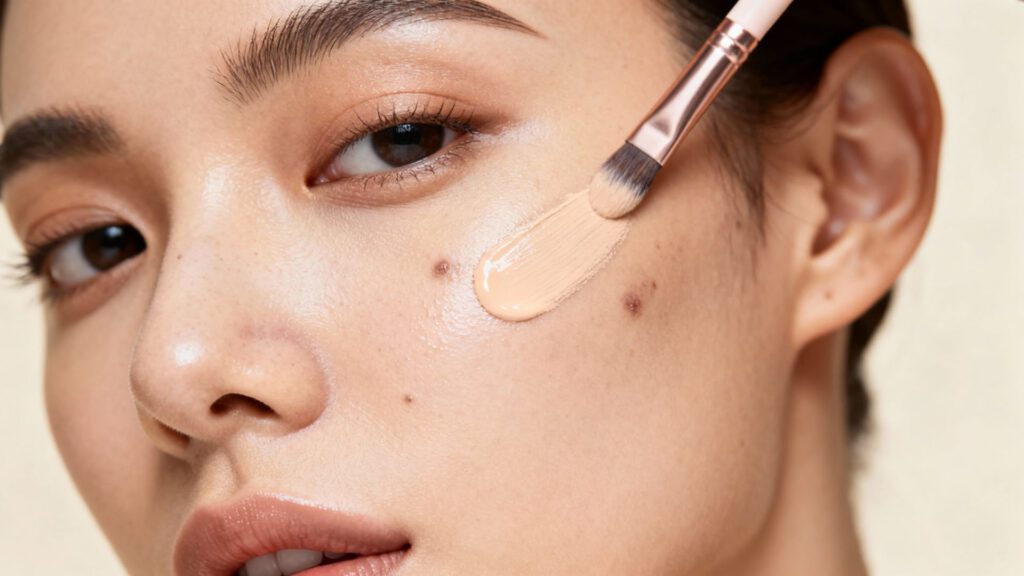
Concealer is used only where extra coverage is needed.
Concealer should be applied after foundation to avoid using too much product.
- Use a lighter concealer for under-eyes
- Use a matching shade for blemishes
- Blend gently to avoid disturbing foundation
Step 5: Setting the Base Makeup
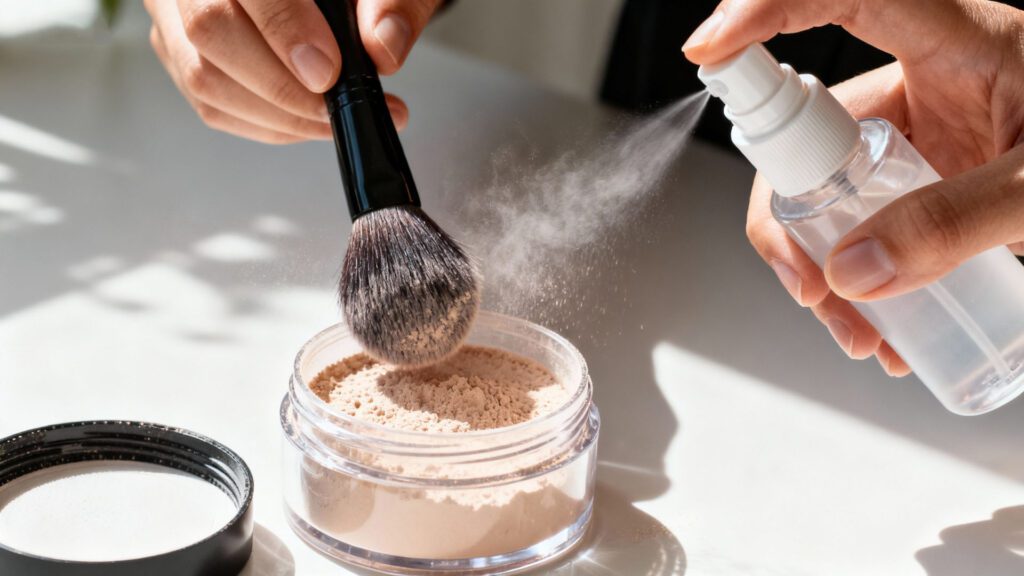
Setting products help lock makeup in place.
Setting your base prevents creasing and improves wear time.
- Setting powder: Best for oily or combination skin
- Setting spray: Ideal for dry or normal skin
- Both: For long-lasting or event makeup
Common Base Makeup Mistakes Beginners Make
- Using too much foundation
- Skipping moisturizer
- Applying powder all over dry skin
- Not blending foundation into the neck
How to Make Base Makeup Look Natural
The key to natural-looking base makeup is balance. Use only what your skin needs and avoid layering too many heavy products.
Light coverage, proper blending, and skin prep are more important than expensive products.
Conclusion
A complete base makeup routine does not need to be complicated. When done step by step, even beginners can achieve smooth, natural, and long-lasting results.
Mastering base makeup creates the perfect canvas for every makeup look, from everyday natural styles to full glam.