
Oily skin can make foundation application challenging. Excess oil often causes makeup to slide, separate, or become shiny within a few hours, even when high-quality products are used.
The key to flawless foundation on oily skin is not using more makeup, but using the right techniques, formulas, and preparation steps. With the correct approach, oily skin can look smooth, matte, and fresh all day.
Why Foundation Breaks Down on Oily Skin
Table of Contents
Oily skin produces excess sebum, especially in the T-zone (forehead, nose, and chin). When foundation mixes with oil, it can break apart, oxidize, or move around on the skin.
Understanding how oil affects makeup helps you choose better products and apply them more effectively.
Step 1: Proper Skin Preparation for Oily Skin

Proper skin prep is essential for controlling oil and extending foundation wear.
Skipping skin prep often leads to excess oil and patchy foundation.
- Cleanser: Use a gentle foaming or gel cleanser to remove excess oil.
- Moisturizer: Choose a lightweight, oil-free moisturizer.
- Sunscreen: Use a matte or gel-based sunscreen during the day.
Well-hydrated skin actually produces less oil throughout the day.
Step 2: Choose the Right Primer
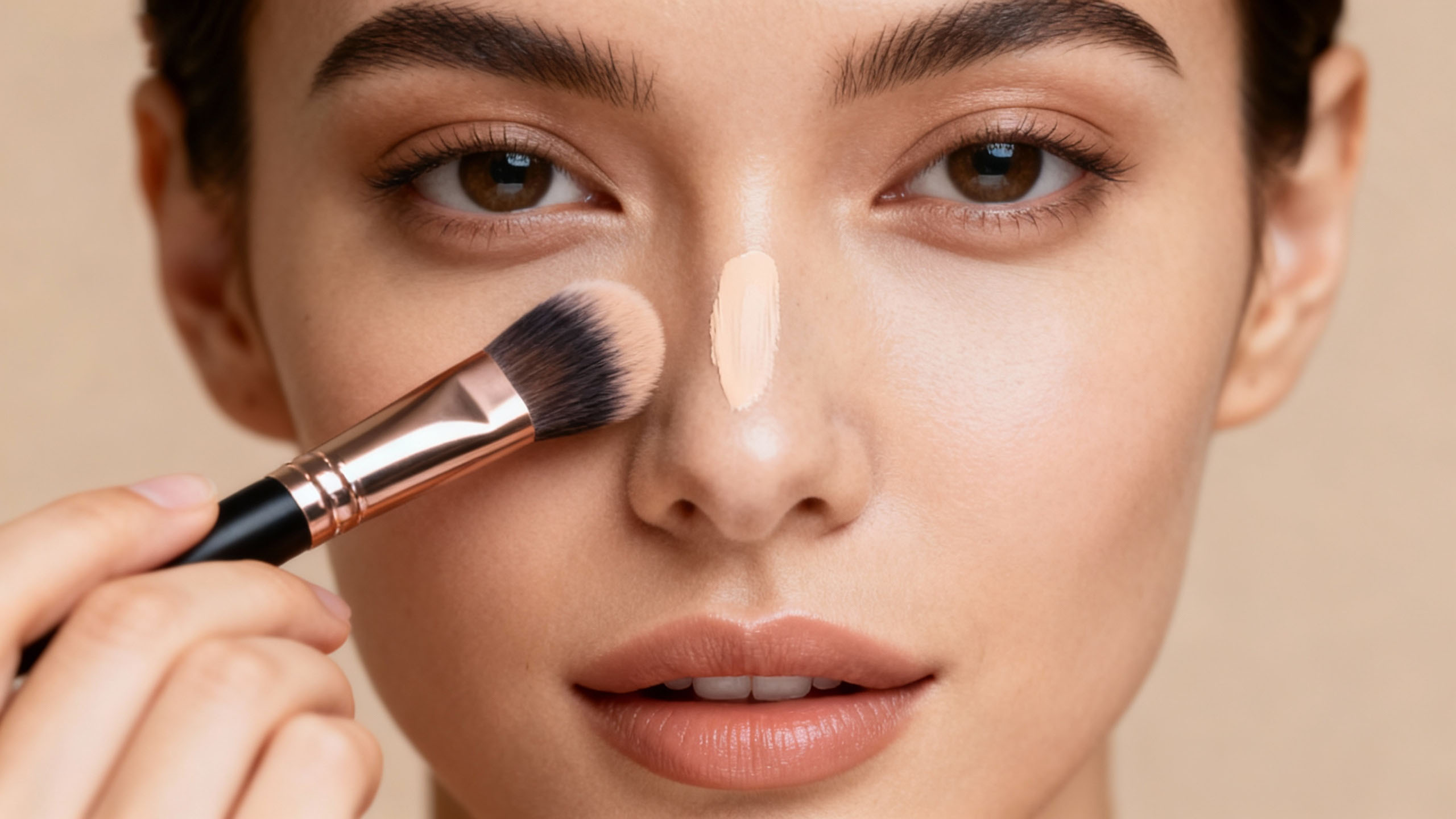
A mattifying primer helps control shine and blur pores.
Primer creates a barrier between your skin and foundation, helping to absorb oil and keep makeup in place.
- Look for mattifying or oil-control primers
- Focus primer on the T-zone
- Avoid heavy silicone layers on the entire face
Step 3: Pick the Best Foundation Formula for Oily Skin
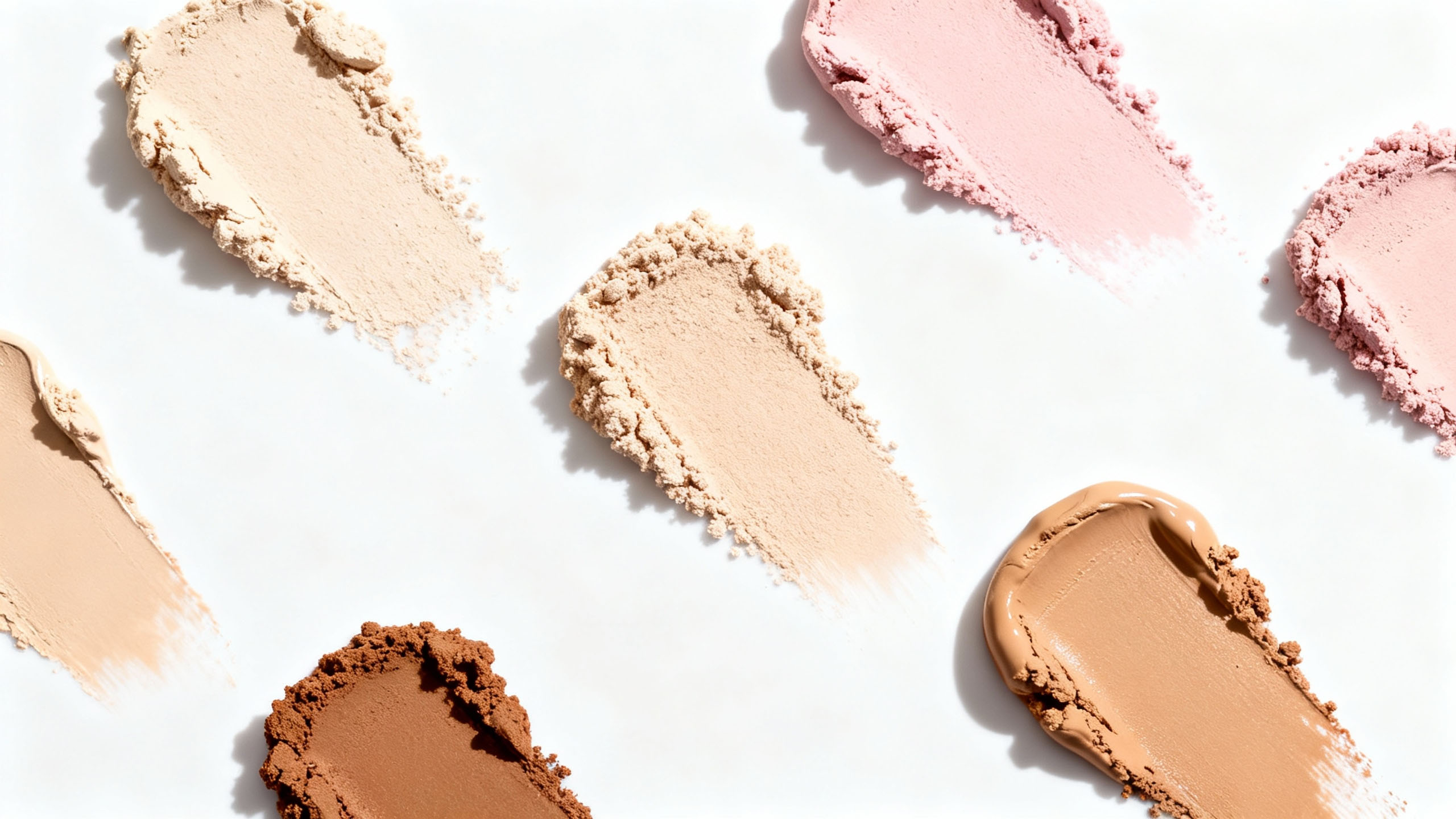
Lightweight, matte foundations perform best on oily skin.
Not all foundations work well on oily skin. The formula matters more than the brand.
- Best finishes: Matte or soft-matte
- Best textures: Liquid or lightweight cream
- Avoid: Dewy, luminous, or oil-based foundations
Always check for labels like oil-free, long-wear, or shine-control.
Step 4: Apply Foundation in Thin Layers
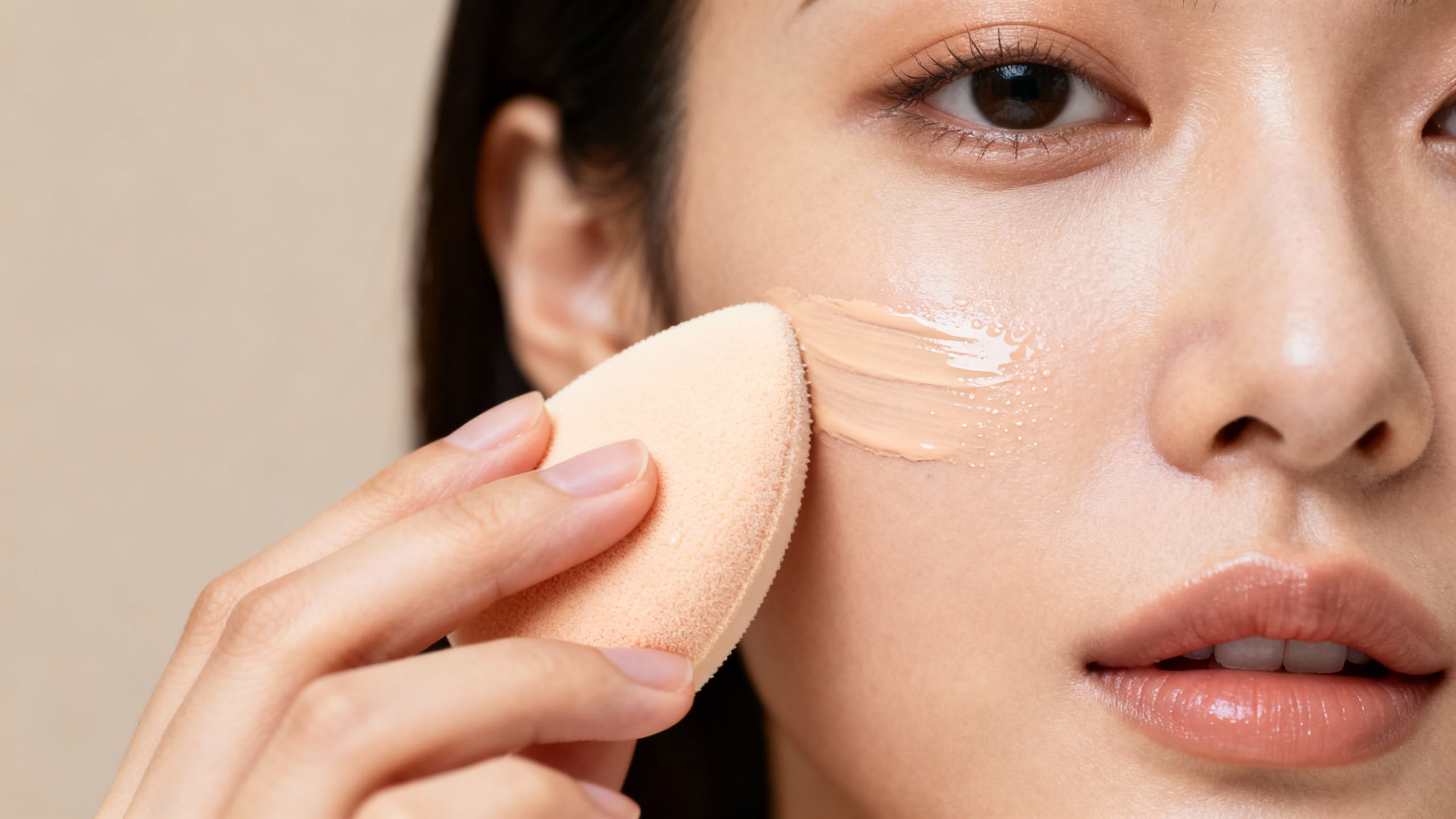
Thin layers prevent foundation from sliding on oily skin.
Using too much foundation is one of the biggest mistakes people with oily skin make.
- Start with a small amount
- Blend using a damp sponge or dense brush
- Build coverage only where needed
Step 5: Strategic Concealer Placement
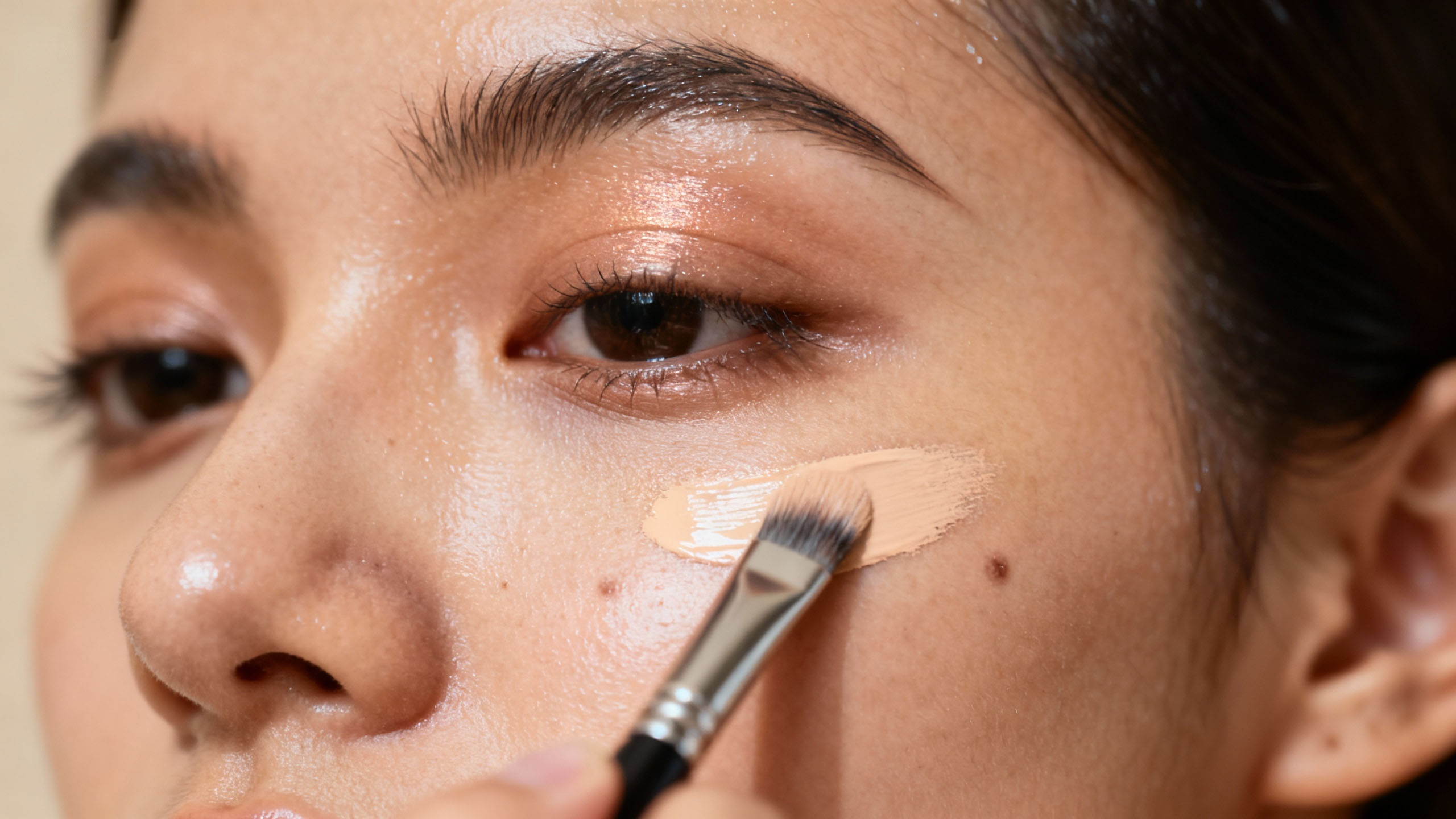
Concealer should be applied only where extra coverage is needed.
Apply concealer after foundation and avoid heavy layers that can crease or slide.
Step 6: Set Foundation Correctly
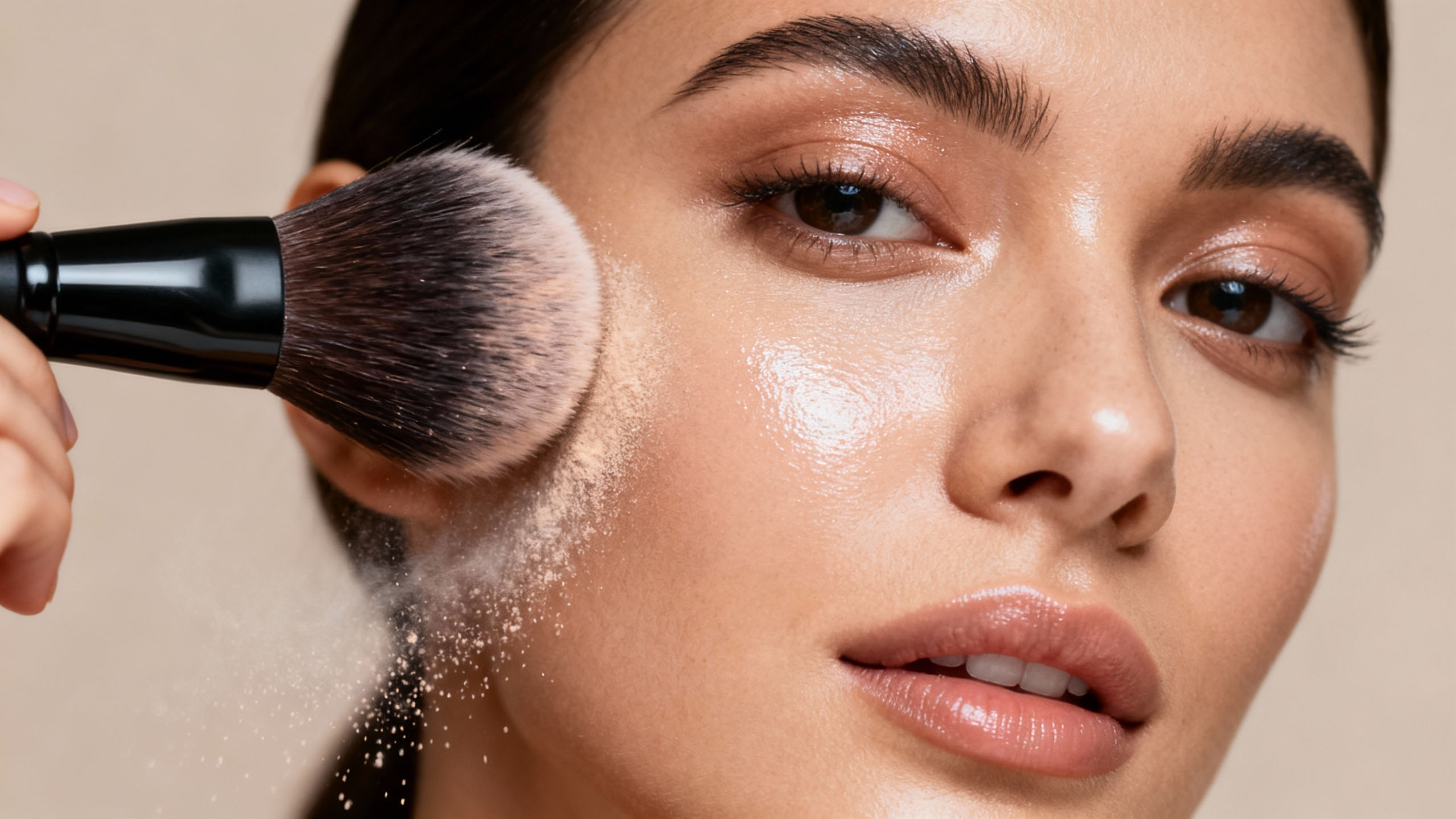
Setting powder locks foundation and controls shine.
Setting your foundation is crucial for oily skin.
- Use loose translucent powder
- Press powder into oily areas instead of sweeping
- Avoid heavy powder on dry areas
How to Prevent Foundation Oxidation
Foundation oxidation can make oily skin look darker or orange throughout the day.
To reduce oxidation:
- Use oil-controlling primer
- Avoid layering too many products
- Blot excess oil before touch-ups
Best Touch-Up Tips for Oily Skin
Touch-ups should absorb oil, not add more product.
- Blot oil with blotting papers
- Apply minimal powder only where needed
- Avoid adding more foundation
Common Foundation Mistakes for Oily Skin
- Skipping moisturizer
- Using heavy, dewy foundations
- Applying thick layers of product
- Touching the face frequently
Conclusion
Oily skin does not mean bad makeup days. With the right preparation, products, and techniques, foundation can stay matte, smooth, and fresh for hours.
Understanding how your skin behaves is the key to choosing foundation that truly works for oily skin.