
Combination skin can be one of the most challenging skin types to work with when applying foundation. Some areas of the face may feel oily and shiny, while others feel dry or normal, making it difficult to find a single routine that works everywhere.
The secret to flawless foundation on combination skin is balance. Instead of treating the entire face the same way, understanding how to customize preparation, product choice, and application techniques can help foundation look smooth, natural, and long-lasting.
What Is Combination Skin?
Table of Contents
Combination skin usually means an oily T-zone (forehead, nose, and chin) with normal or dry cheeks. This uneven oil distribution causes foundation to break down in some areas while clinging to others.
Recognizing these differences is essential for choosing the right foundation routine.
Step 1: Balanced Skin Preparation

Balanced skin prep helps control oil while maintaining hydration.
Skin preparation for combination skin should focus on hydration without heaviness.
- Cleanser: Use a gentle cleanser that does not strip moisture.
- Moisturizer: Apply a lightweight moisturizer, focusing on dry areas.
- Sunscreen: Choose a non-greasy formula for daytime use.
Step 2: Use Targeted Primer Application

Different areas of the face benefit from different primer types.
Instead of one primer for the entire face, use targeted application.
- Mattifying primer on the T-zone
- Hydrating primer on dry or normal areas
- Blend primers seamlessly where they meet
Step 3: Choose the Right Foundation Formula
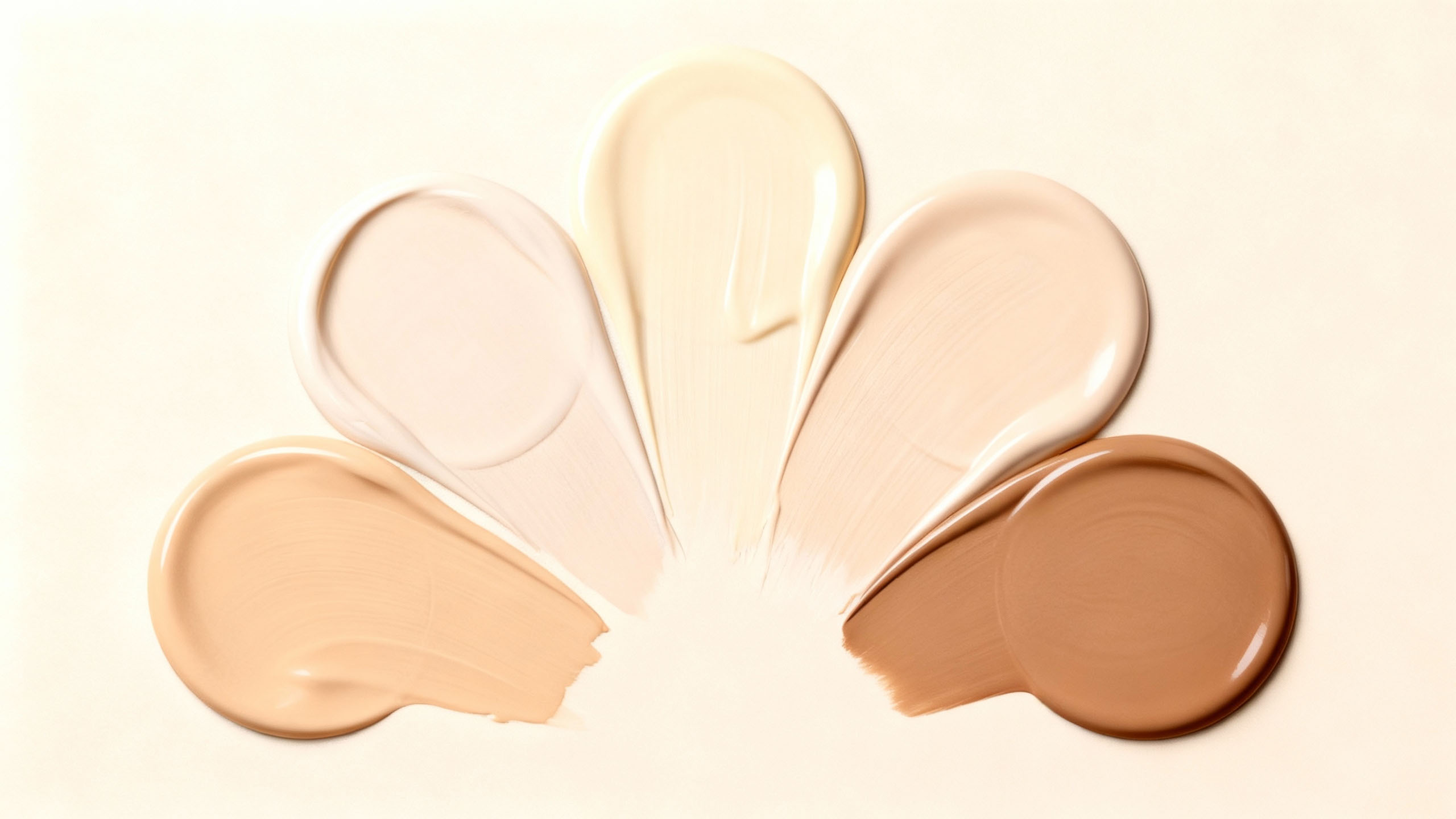
Satin or natural finishes work best for combination skin.
The ideal foundation for combination skin balances oil control and hydration.
- Best finishes: Satin or natural
- Best textures: Liquid or lightweight cream
- Avoid: Extremely matte or overly dewy formulas
Step 4: Apply Foundation Strategically
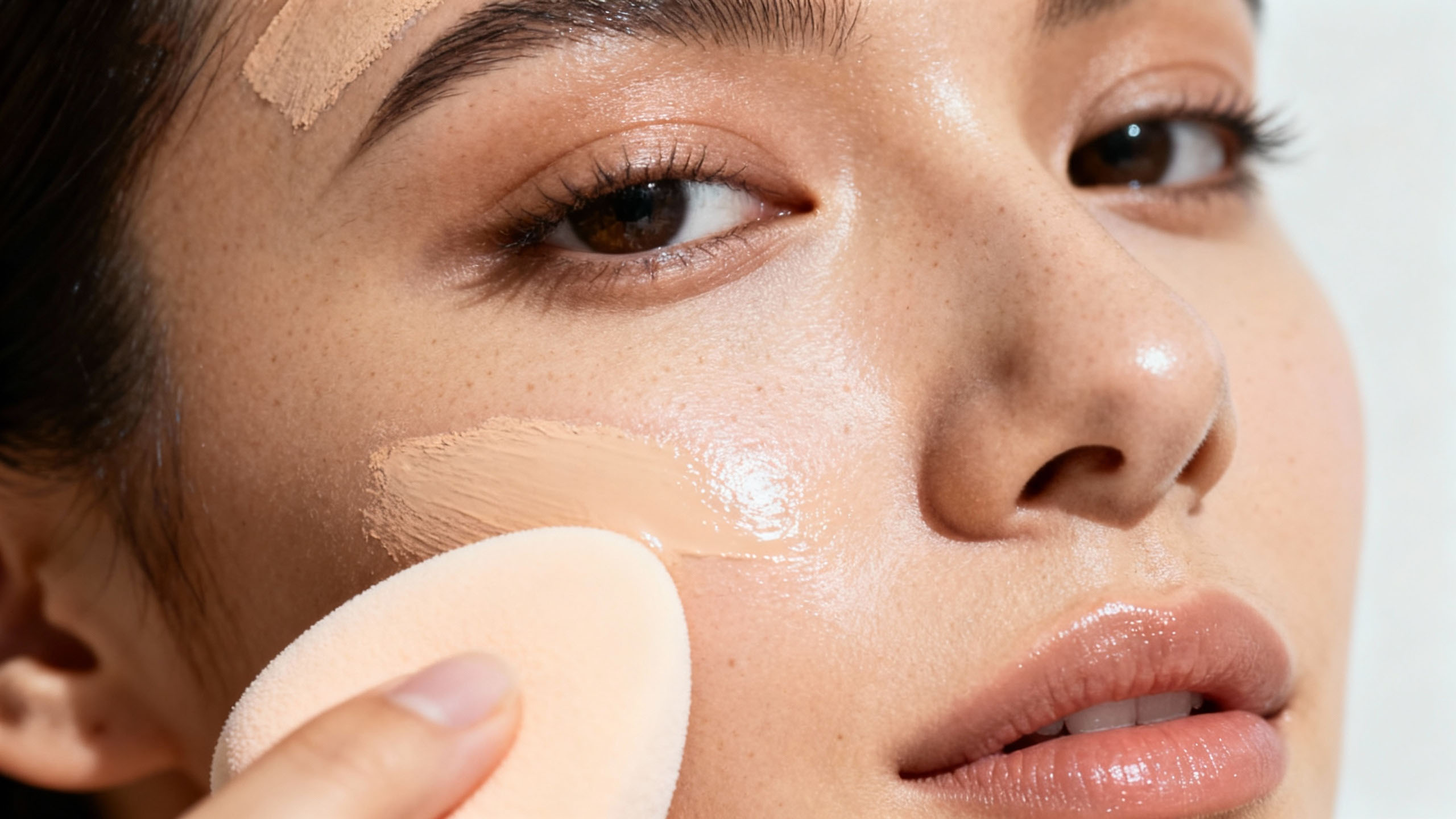
Strategic application prevents excess product buildup.
Foundation should be applied in thin layers and adjusted based on skin behavior.
- Apply minimal foundation on oily areas
- Use slightly more coverage on dry areas if needed
- Blend evenly to avoid visible texture differences
Step 5: Concealer Placement for Combination Skin
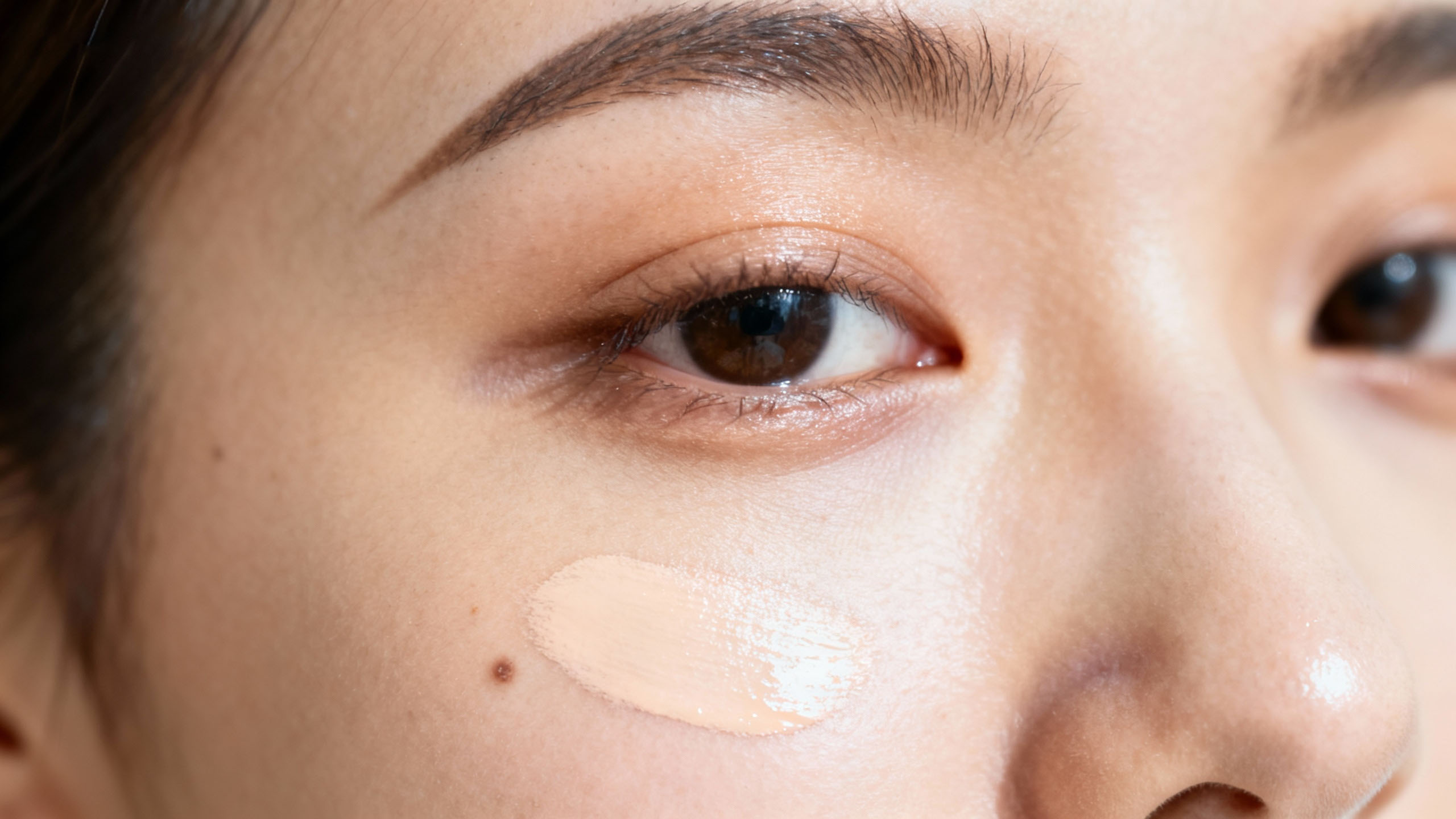
Concealer should complement foundation, not replace it.
Use concealer only where additional coverage is needed.
- Brighten under-eyes lightly
- Spot conceal blemishes
- Avoid heavy layering on oily zones
Step 6: Set Makeup Without Over-Drying

Selective setting keeps makeup balanced.
Combination skin requires strategic setting.
- Set T-zone lightly with loose powder
- Leave dry areas mostly powder-free
- Finish with a light setting spray
Common Foundation Mistakes for Combination Skin
- Using one product the same way all over the face
- Over-powdering dry areas
- Using heavy matte foundation everywhere
- Skipping skin prep
Conclusion
Combination skin does not require complicated makeup routines—just smarter ones. By balancing hydration and oil control, foundation can look smooth, natural, and comfortable all day.
Understanding how different areas of your face behave allows you to customize foundation for the best possible results.