
Warm and cool colors are categories that describe how colors feel rather than how they look technically. This distinction helps explain why some colors feel energizing and lively, while others feel calm and balanced. Understanding warm and cool colors makes it easier to choose clothing, decor, or designs that feel harmonious.
Warm colors are shades that are associated with warmth and energy. They include colors like red, orange, yellow, and earthy tones. These colors tend to feel vibrant, active, and attention-grabbing. Warm colors often create a sense of closeness and movement, which is why they stand out easily.
Cool colors are shades that feel calm, soft, and relaxed. They include blues, greens, purples, and cooler neutrals. These colors often create a sense of distance and calmness, making them feel soothing and balanced. Cool colors are commonly associated with stability and ease.
Neither warm nor cool colors are better than the other. The key is balance. When warm and cool colors are used thoughtfully together, they create visual harmony. Understanding this simple difference helps colors feel intentional and makes overall style choices look more natural and polished.
What Are Warm Colors
Table of Contents
Warm colors have a yellow, red, or golden base. These colors often feel energetic, vibrant, and inviting.
Common warm colors include:
- Red, orange, yellow
- Coral, peach, rust
- Warm browns and camel tones
Warm colors are shades that create a sense of energy, warmth, and closeness. They are called “warm” because they are commonly associated with elements like the sun, fire, and earth. These colors tend to feel lively and draw attention naturally.
Common warm colors include red, orange, yellow, and many earthy tones such as terracotta, rust, camel, and warm browns. Even some versions of pink and beige can be considered warm if they have yellow or golden undertones.
Warm colors often feel active and expressive. They can make spaces or outfits feel more inviting, bold, and dynamic. Because they stand out easily, warm colors are often used as focal points or statement shades.
Understanding warm colors helps with balance. Since they naturally attract the eye, they work best when paired with neutrals or cooler tones to keep the overall look comfortable and visually harmonious.
What Are Cool Colors
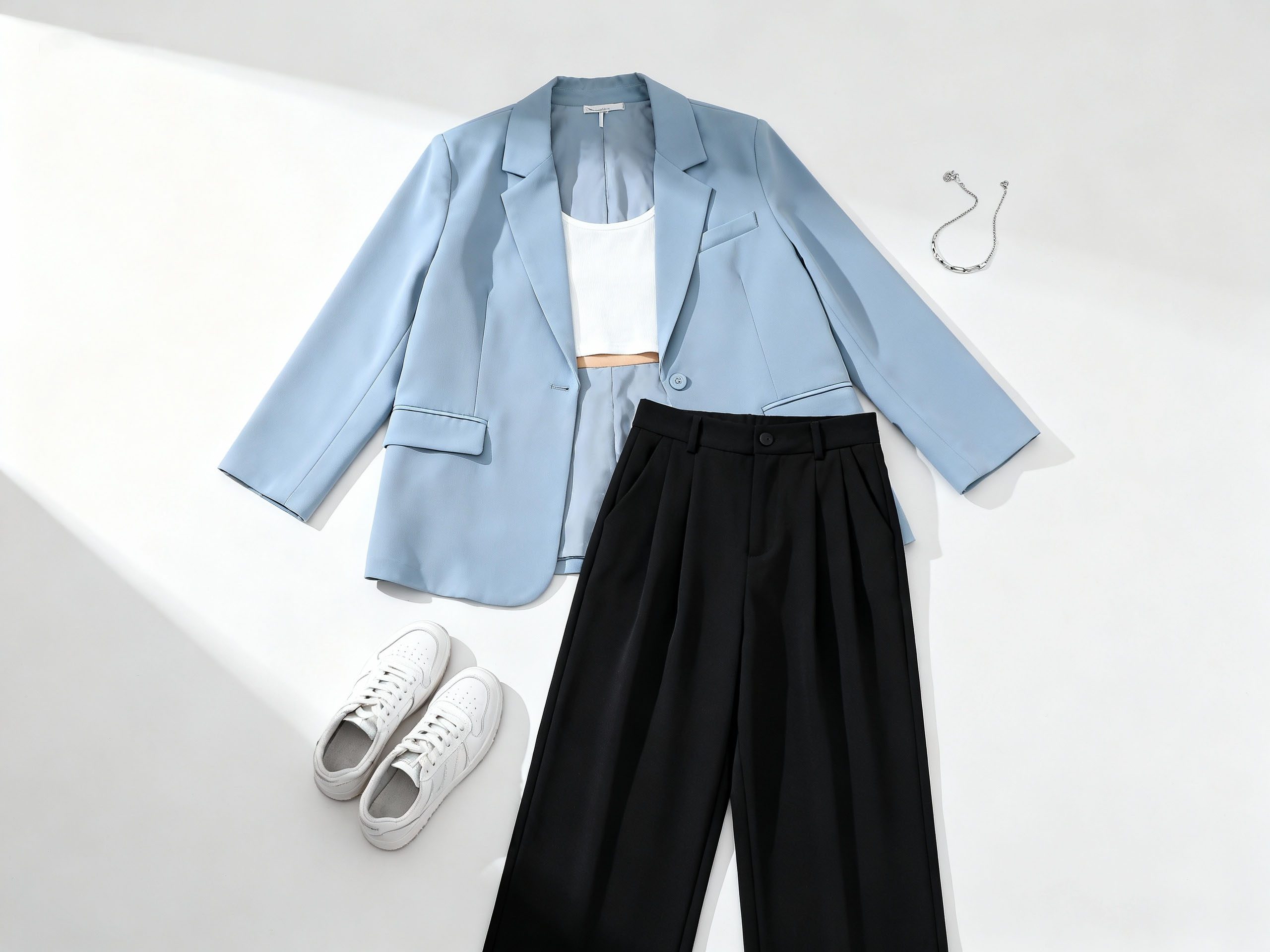
Cool colors have blue or purple undertones.
Cool colors feel calm, clean, and refined.
- Blue, green, purple
- Lavender, mint, icy tones
- Cool gray and crisp white
Cool colors are shades that create a sense of calm, balance, and relaxation. They are called “cool” because they are commonly associated with elements like water, sky, and shade. These colors tend to feel soothing and visually comfortable.
Common cool colors include blue, green, purple, and their variations. Some neutrals, such as cool gray, charcoal, and icy white, also fall into the cool color category when they have blue or gray undertones.
Cool colors often feel calm and composed. They can make spaces or outfits feel more relaxed, clean, and refined. Because they do not demand attention as strongly as warm colors, they are often used to create balance and stability.
Understanding cool colors helps with coordination and harmony. When used on their own, they create a peaceful look, and when paired with warm colors, they help soften intensity and keep the overall appearance visually balanced.
How Warm and Cool Colors Affect Your Look

Color temperature influences how skin and features appear.
Warm and cool colors affect your look by influencing how balanced, vibrant, or calm you appear. These color groups interact with natural features such as skin tone, hair color, and overall contrast, shaping how harmonious or striking an outfit feels.
Warm colors tend to bring energy and warmth to your appearance. They can make a look feel more lively and expressive, often drawing attention and creating a sense of closeness. When warm colors align well with your natural tones, they can make your complexion appear brighter and more dynamic.
Cool colors create a calmer and more refined effect. They often make a look feel clean, balanced, and composed. When cool colors suit your natural features, they can enhance clarity and give a polished, effortless impression without overpowering the overall look.
The key lies in balance and awareness. Understanding how warm and cool colors influence your appearance helps you choose shades that complement your natural features. When colors work with you rather than against you, your overall look feels more cohesive, confident, and intentional.
Should You Mix Warm and Cool Colors
Warm and cool colors can work together when done carefully.
- Use one temperature as the base
- Add the opposite temperature in small accents
- Use neutrals to balance the contrast
Yes, you can mix warm and cool colors, but it works best when done thoughtfully. Mixing both types adds visual interest and depth, creating outfits or spaces that feel dynamic rather than flat. The key is balance—too many contrasting colors can feel chaotic, while a careful mix can feel harmonious and stylish.
A simple way to mix warm and cool colors is to pair one dominant color with a supporting accent. For example, a warm rust sweater can be paired with cool navy pants. Neutrals like white, black, or beige can also act as a bridge between warm and cool shades, helping them blend smoothly.
Pay attention to proportion and placement. Using one warm color in one area and a cool color elsewhere creates visual balance and keeps the overall look cohesive. Small accessories in a contrasting temperature can also add interest without overwhelming the outfit.
When warm and cool colors are combined thoughtfully, they create a balanced, intentional look. The mix can make your style feel modern and versatile while ensuring that colors complement rather than clash.
How to Identify Which Colors Suit You Best
The easiest way to tell which temperature suits you is by observation.
- Warm colors enhance golden or peachy skin
- Cool colors suit pink or bluish undertones
- Neutral undertones can wear both
Identifying which colors suit you best starts with understanding your natural features, including skin tone, hair color, and eye color. Colors that complement these features enhance your appearance, making your complexion look brighter and your overall look more harmonious.
One simple approach is to test warm and cool shades against your skin. Hold different colors near your face and notice which shades make your skin appear healthy, radiant, and balanced. Warm colors often suit those with golden, peach, or yellow undertones, while cool colors usually complement pink, blue, or neutral undertones.
Another way is to consider contrast. High-contrast combinations, like dark hair with light skin, can handle bolder shades, while lower-contrast features may look more balanced in softer, muted colors. Observing how colors interact with your natural coloring helps determine which tones enhance your features without overpowering them.
Trial and observation are key. Over time, you’ll notice patterns in which colors make you feel confident and vibrant. Choosing colors that suit you naturally enhances your style and helps create cohesive, flattering outfits.
Conclusion
Understanding warm and cool colors, and knowing which shades suit you best, makes styling and outfit choices much easier. Warm colors bring energy and vibrancy, while cool colors create calm and balance. Mixing them thoughtfully adds depth and interest, and choosing colors that complement your natural features enhances your overall look.
By learning how colors interact with your skin, hair, and eyes, you can create outfits that feel harmonious, intentional, and flattering. With this awareness, color becomes a tool for confidence and style rather than guesswork.