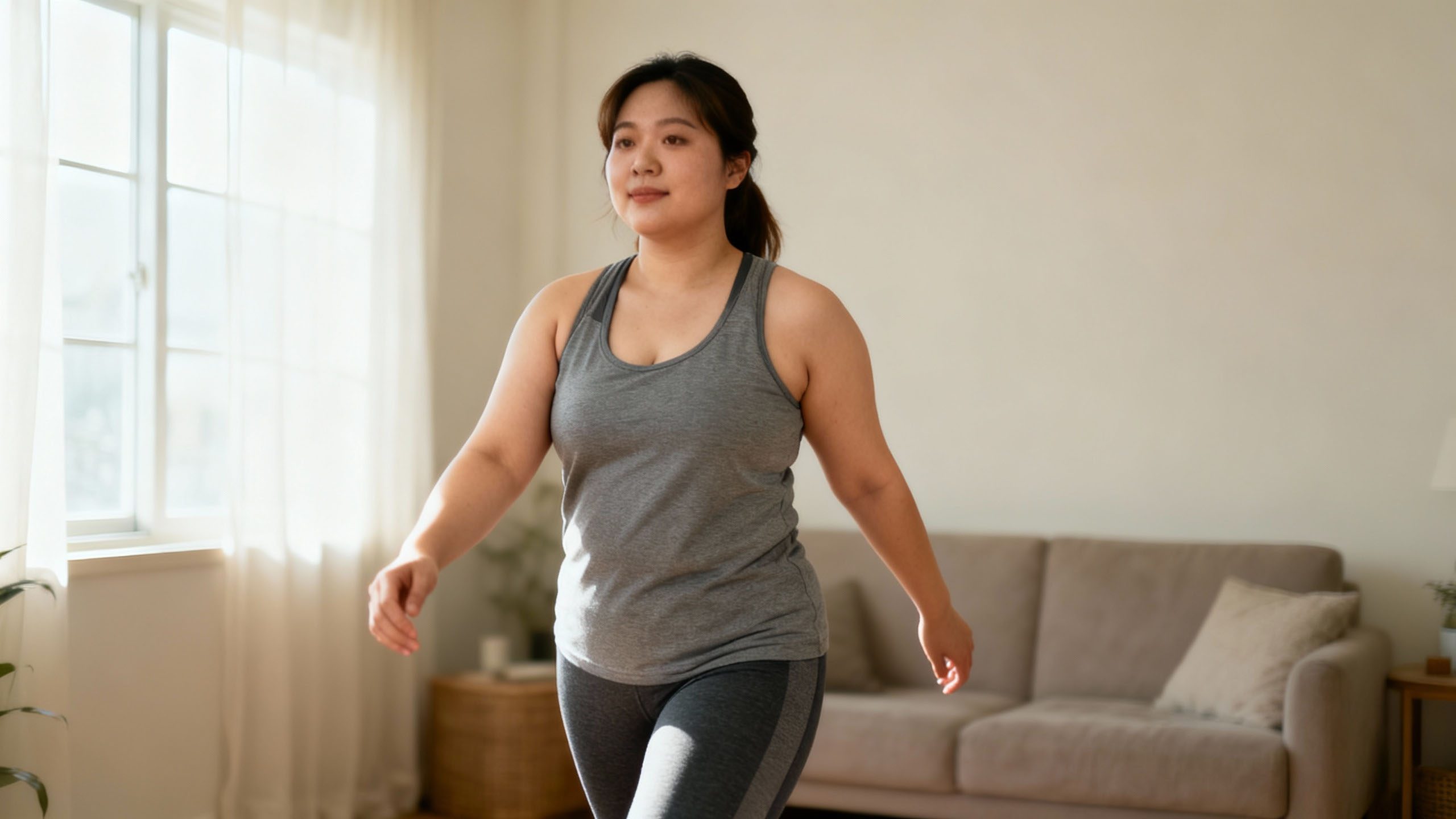
Starting fitness for the first time can feel intimidating, especially if exercise has never been part of your routine. The key is to remove pressure and focus on simple, realistic steps. Fitness does not begin with intense workouts or strict schedules, but with small actions that feel manageable and non-threatening. When movement feels approachable, it becomes easier to begin and continue.
Simple fitness tips focus on everyday movement rather than formal exercise. Walking more, stretching lightly, or doing basic body movements at home helps the body adapt without shock. These small efforts improve circulation, mobility, and energy levels while reducing the risk of injury or burnout. Consistency matters far more than intensity at this stage.
Listening to your body is essential when starting out. Rest is not a failure, and soreness is not a requirement for progress. Allowing recovery time helps the body build strength gradually and keeps motivation intact. Fitness should support daily life, not interfere with it.
Most importantly, beginners benefit from setting gentle expectations. Progress comes from repetition, not perfection. By choosing simple movements and maintaining a relaxed mindset, fitness slowly becomes a natural part of everyday life rather than a stressful obligation.
Accept That Everyone Starts Somewhere
Table of Contents
Accepting that everyone starts somewhere is an important mindset shift for beginners. No one begins fitness strong, flexible, or confident. Comparing yourself to others who are further along only creates unnecessary pressure and discouragement. Progress starts from your own baseline, not someone else’s highlight.
Every person who appears fit today once struggled with the same doubts and limitations. Feeling tired, awkward, or unsure at the beginning is completely normal. These early stages are not a sign of failure but a natural part of learning how your body moves and responds.
When you accept your starting point, fitness feels less intimidating. Small efforts feel meaningful, and improvement becomes easier to notice. Each step forward, no matter how minor it seems, contributes to building strength, confidence, and consistency.
Most importantly, accepting where you are allows you to move forward without judgment. Fitness becomes a personal journey rather than a competition. When you respect your starting point, staying committed feels more natural and sustainable over time.
Movement Matters More Than Exercise Type
Movement matters more than the type of exercise because the body benefits most from simply being active. For beginners, focusing too much on choosing the “right” workout can create hesitation and delay progress. What truly supports health at the start is moving regularly in ways that feel comfortable and achievable.
Any form of movement helps improve circulation, joint mobility, and energy levels. Walking, stretching, light household activity, or gentle body movements all contribute to physical well-being. These simple actions help the body adapt gradually without the stress or intimidation of structured exercise programs.
When movement feels natural, it becomes easier to stay consistent. Enjoyable, low-pressure activity reduces resistance and makes it more likely that movement will become a habit. Consistency builds strength and endurance over time, regardless of the specific exercise type.
Ultimately, fitness grows from regular movement, not perfect routines. By prioritizing movement over method, beginners create a sustainable foundation that supports long-term health and confidence.
Start With Daily Activities You Already Do
Starting with daily activities you already do makes fitness feel familiar rather than intimidating. Instead of adding new workouts right away, focusing on movement that naturally fits into your routine reduces resistance and makes it easier to stay consistent. This approach helps movement feel like a normal part of life, not an extra task.
Simple actions such as walking while running errands, taking the stairs, stretching in the morning, or standing up more often throughout the day all count as meaningful movement. These activities gently increase activity levels without requiring special equipment or dedicated workout time.
Using what you already do builds confidence. When movement feels achievable, motivation grows naturally. Small changes add up over time, helping the body adapt and making future fitness steps feel more approachable.
Most importantly, starting with daily activities removes pressure. It allows fitness to develop gradually and sustainably, creating a strong foundation before introducing more structured exercise if and when you feel ready.
Keep Sessions Very Short at First
Keeping fitness sessions very short at first helps remove the fear and pressure often associated with starting exercise. Long or intense workouts can feel overwhelming to beginners, making it harder to stay consistent. Short sessions feel achievable, which encourages regular participation.
Even five to ten minutes of movement is enough to create positive change. Brief sessions reduce fatigue, minimize soreness, and allow the body to adapt gradually. When workouts feel manageable, they are easier to repeat day after day without mental resistance.
Short sessions also fit more easily into daily life. They require less planning and are less likely to be skipped due to time constraints. This makes consistency more realistic, especially for people who are new to movement.
Over time, short sessions naturally lead to longer or more frequent activity as confidence and energy improve. Starting small builds a habit first, making fitness feel sustainable rather than exhausting.
Focus on How Your Body Feels
Focusing on how your body feels helps build a healthier and more sustainable relationship with fitness. For beginners, it’s easy to get distracted by numbers, routines, or comparisons, but physical awareness is far more important at the start. Paying attention to comfort, energy, and recovery helps you move in ways that support your body rather than push it too hard.
Noticing signals such as light fatigue, stiffness, or ease of movement allows you to adjust intensity naturally. When something feels painful or overly exhausting, it’s a sign to slow down or rest. When movement feels energizing or relieving, it’s a sign you’re on the right track. This awareness reduces the risk of injury and burnout.
Focusing on feeling also builds confidence. Instead of judging progress by speed or performance, you begin to recognize improvements in mobility, strength, and daily comfort. These changes often appear before visible results and are just as meaningful.
Ultimately, listening to your body keeps fitness supportive rather than stressful. When movement feels good and respects your limits, consistency becomes easier, and progress happens naturally over time.
Do Not Chase Soreness or Exhaustion
Not chasing soreness or exhaustion is important for beginners who want fitness to feel sustainable rather than punishing. Many people believe that pain or extreme fatigue means a workout was successful, but this mindset often leads to burnout, injury, or giving up altogether. Progress does not require suffering.
Mild discomfort or light fatigue can be normal, but intense soreness is not a goal. Excessive soreness can interfere with daily movement and make it harder to stay consistent. When workouts leave you drained for days, the body struggles to recover and motivation quickly drops.
Fitness should leave you feeling slightly challenged but still capable of moving and functioning comfortably. Energy levels, mood, and overall well-being are better indicators of progress than how sore you feel the next day. When recovery is respected, the body adapts more effectively.
By avoiding the chase for exhaustion, fitness becomes supportive and repeatable. This approach encourages consistency, protects the body, and helps beginners build strength and confidence at a pace that feels natural and sustainable.
Rest Is Not a Failure
Rest is not a failure, especially for people who are new to fitness. The body needs time to recover, adapt, and rebuild after movement. Skipping rest in the name of progress often leads to fatigue, frustration, or injury rather than improvement.
Rest days allow muscles, joints, and the nervous system to recover. This recovery is where real progress happens, even if it feels like nothing is being done. Without enough rest, the body cannot respond positively to movement, and performance can actually decline.
Rest also supports mental consistency. Knowing that rest is allowed removes pressure and guilt, making it easier to return to movement with a positive mindset. When fitness feels flexible rather than demanding, it becomes easier to maintain over time.
Accepting rest as part of the process helps fitness feel balanced and sustainable. When the body is respected, movement becomes something you can return to consistently rather than something you need to recover from constantly.
Keep Expectations Simple and Flexible
Keeping expectations simple and flexible helps beginners build a positive relationship with fitness. Setting goals that are too strict or demanding often creates pressure and disappointment, especially at the start. Simple expectations make it easier to begin and continue without feeling overwhelmed.
Flexible goals allow room for real life. Energy levels, schedules, and motivation naturally change, and fitness should be able to adapt to those shifts. Missing a day or adjusting intensity does not erase progress—it supports long-term consistency.
When expectations are realistic, small efforts feel like success rather than failure. Completing short sessions or moving in gentle ways still counts and builds momentum. This mindset encourages repetition, which is the foundation of lasting progress.
Ultimately, simple and flexible expectations make fitness sustainable. By focusing on showing up rather than doing everything perfectly, movement becomes a supportive habit that fits naturally into everyday life.
Build Confidence Through Repetition
Building confidence through repetition helps fitness feel familiar and achievable rather than intimidating. For beginners, repeating simple movements creates comfort and reduces uncertainty. Each repetition reinforces the idea that movement is safe, manageable, and within reach.
Consistent repetition allows the body to adapt gradually. Movements become smoother, strength improves, and daily activities start to feel easier. These changes often happen quietly, but they are powerful signs of progress that build trust in your body.
Repetition also strengthens mental confidence. Doing the same simple actions regularly removes overthinking and decision fatigue. When you know what to do and feel capable doing it, motivation comes more naturally.
Over time, repetition turns effort into habit. What once felt challenging becomes routine, and confidence grows from knowing you can show up consistently. This steady approach creates a strong foundation for long-ter
Conclusion
Starting fitness after never exercising before does not require intensity, perfection, or complex plans. Progress begins with accepting your starting point, focusing on movement, and allowing the body to adapt at its own pace. Small, consistent actions build strength, comfort, and confidence over time.
By keeping sessions short, listening to your body, resting when needed, and maintaining flexible expectations, fitness becomes supportive rather than overwhelming. Repetition creates familiarity, and familiarity builds confidence. When approached this way, fitness naturally becomes part of everyday life, making long-term consistency feel achievable and sustainable.