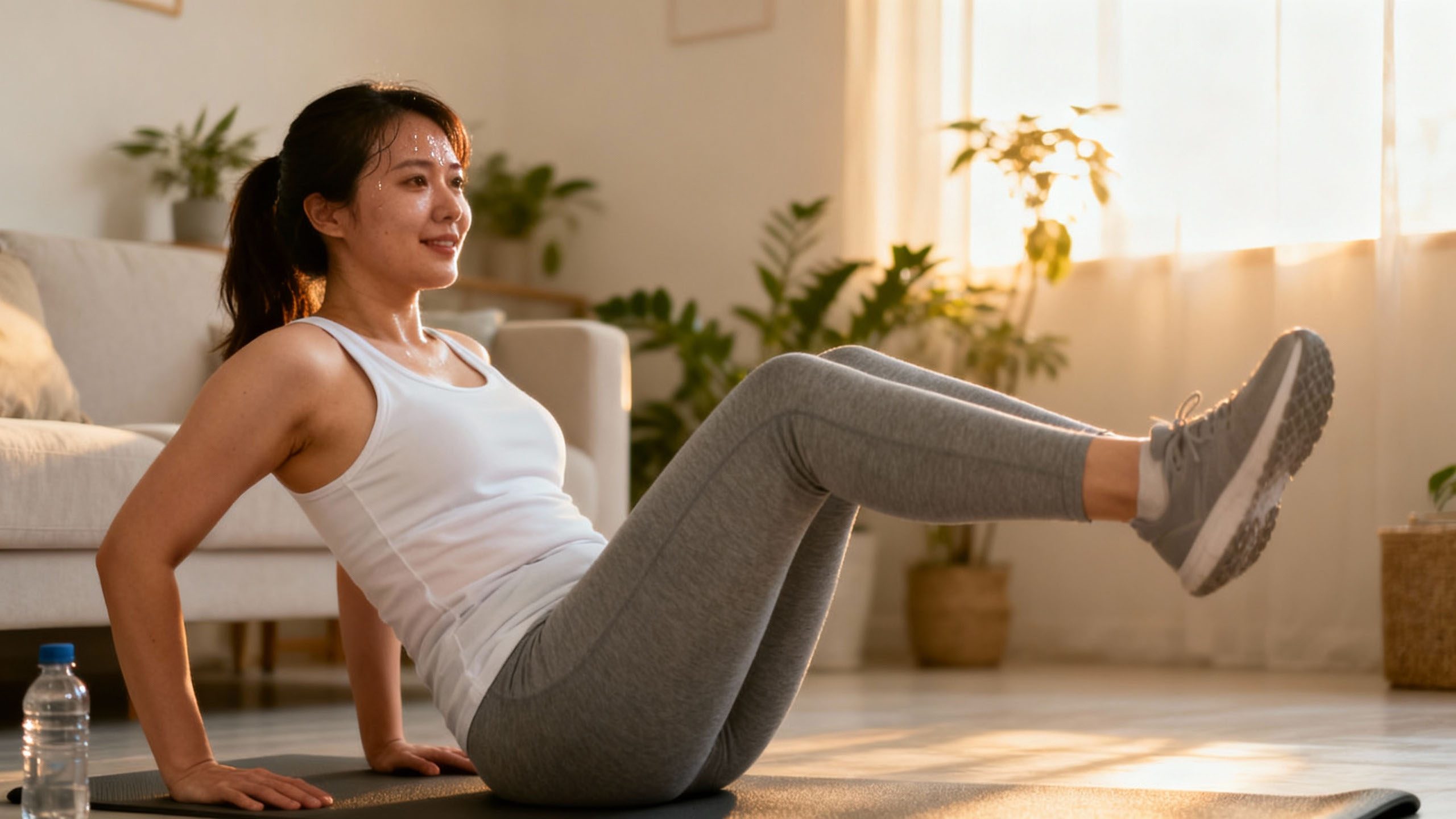
Starting a fitness routine for the first time can feel intimidating, but exercise does not need to be complicated or intense to be effective. Easy exercises are the best place for beginners to start because they help the body adapt safely while building confidence and consistency. The goal at the beginning is to move regularly, learn basic movements, and create a positive experience with exercise.
Bodyweight exercises are ideal for first-time beginners because they use natural movements and require no equipment. Simple exercises such as squats, wall push-ups, and standing lunges help strengthen major muscle groups while improving balance and coordination. These movements can be done slowly and with control, making them easier to learn and safer for the joints.
Walking is one of the most effective and accessible exercises for beginners. It improves cardiovascular health, supports joint mobility, and can be adjusted to any fitness level. Short walks taken consistently are more beneficial than occasional intense workouts. Walking can also be combined with light stretching to reduce stiffness and improve flexibility.
Gentle core exercises are another good starting point. Movements like seated leg lifts, standing knee raises, or modified planks help build core strength without putting strain on the lower back. A stronger core supports better posture and makes other exercises feel easier over time.
Stretching and mobility exercises should also be part of a beginner routine. Gentle stretches for the neck, shoulders, hips, and legs improve flexibility and reduce muscle tightness. These movements help the body recover and make exercise feel more comfortable rather than exhausting.
For first-time beginners, the focus should always be on simplicity, proper form, and consistency. Short sessions with easy exercises done regularly create a strong foundation for long-term fitness. As strength and confidence improve, exercises can gradually become more challenging, but starting easy is the key to staying safe and motivated.
Walking Is One of the Best Starter Exercises
Table of Contents
Walking is one of the best starter exercises for first-time fitness beginners because it is simple, low impact, and easy to adapt to any fitness level. It does not require special equipment, gym access, or technical skills, which removes many of the common barriers that stop beginners from getting started. Walking allows the body to move naturally while gently improving overall fitness.
One of the biggest benefits of walking is that it is easy on the joints. Unlike high-impact exercises, walking places minimal stress on the knees, hips, and ankles, making it suitable for people of all ages and body types. This makes it especially helpful for beginners who may be concerned about injury or soreness. Walking also supports cardiovascular health by improving heart and lung function without overwhelming the body.
Walking is highly flexible and can be adjusted based on comfort and ability. Speed, distance, and duration can all be increased gradually as fitness improves. Even short walks done consistently provide benefits such as increased energy, better mood, improved circulation, and reduced stiffness. Walking can be done indoors or outdoors, alone or with others, making it easy to fit into daily life.
Another advantage of walking is its positive effect on mental well-being. It helps reduce stress, clear the mind, and build a routine of regular movement. Because it feels manageable and enjoyable, walking encourages consistency, which is the most important factor for beginners. Over time, walking builds a strong foundation that makes transitioning into more structured or challenging exercises much easier.
Chair Squats Build Lower-Body Strength
Chair squats are an excellent exercise for building lower-body strength, especially for first-time fitness beginners. This movement targets major muscle groups such as the thighs, hips, and glutes while providing support and stability through the use of a chair. The chair helps guide proper form and reduces the risk of losing balance, making the exercise safer and more approachable.
One of the key benefits of chair squats is that they mimic a natural daily movement: sitting down and standing up. Practicing this motion strengthens muscles used in everyday activities, which improves functional strength and independence. Because the depth of the squat is controlled by the chair, beginners can focus on slow, controlled movement without straining their joints.
Chair squats are also easy to modify. Beginners can start by lightly sitting down and standing up using the chair for support, then gradually reduce reliance on the chair as strength improves. Over time, this exercise builds confidence, improves lower-body endurance, and prepares the body for more advanced strength exercises.
Wall Push-Ups Reduce Upper-Body Strain
Wall push-ups are a beginner-friendly exercise that helps build upper-body strength while reducing strain on the shoulders, arms, and wrists. By performing push-ups against a wall instead of the floor, the body supports less weight, making the movement easier to control and safer for first-time fitness beginners.
This exercise targets the chest, shoulders, arms, and core without placing excessive pressure on the joints. The upright position allows beginners to focus on proper form and controlled movement, which helps prevent injury and builds confidence. Wall push-ups are especially useful for people who find traditional push-ups too challenging at the start.
Wall push-ups are easy to adjust based on strength level. Standing closer to the wall makes the exercise easier, while stepping slightly farther away increases difficulty. This flexibility allows gradual progress while maintaining comfort. Over time, wall push-ups help strengthen the upper body and prepare beginners for more advanced pushing exercises.
Standing Marches Improve Balance
Standing marches are a simple and effective exercise for improving balance, coordination, and lower-body strength, especially for first-time fitness beginners. This movement involves lifting one knee at a time while standing upright, which helps train the body to stay stable while shifting weight from one leg to the other.
One of the main benefits of standing marches is balance improvement. By practicing controlled knee lifts, the muscles around the hips, legs, and core work together to keep the body steady. This is particularly helpful for beginners who want to improve stability and confidence during everyday movements such as walking or climbing stairs.
Standing marches are also gentle on the joints and easy to control. They can be performed slowly, with support from a wall or chair if needed, making them safe and adaptable. Over time, this exercise helps strengthen the legs, improve posture, and enhance overall body awareness, creating a strong foundation for more advanced exercises.
Gentle Stretching Supports Recovery
Gentle stretching supports recovery by helping the body relax and restore itself after movement, especially for first-time fitness beginners. Light stretching improves blood flow to the muscles, which helps reduce stiffness and supports the natural recovery process. This makes the body feel more comfortable and ready for future activity.
Stretching also helps maintain flexibility and range of motion. When muscles are not stretched regularly, they can become tight, making everyday movements feel harder and increasing the risk of discomfort or injury. Gentle stretches for areas like the neck, shoulders, hips, and legs keep the body feeling loose and balanced without putting stress on the joints.
For beginners, stretching should feel easy and calming, not painful. Slow, controlled movements combined with steady breathing help the body relax and release tension built up during the day or after exercise. Including gentle stretching as part of a routine supports recovery, reduces soreness, and helps make fitness feel more sustainable and enjoyable over time.
Slow and Controlled Movements Matter
Slow and controlled movements matter because they help beginners exercise safely while building strength and confidence. Moving slowly allows you to focus on proper form, which ensures the correct muscles are working and reduces unnecessary strain on joints. Fast or rushed movements often lead to poor technique and increase the risk of injury, especially for those new to exercise.
Controlled movements also improve muscle engagement. When exercises are performed slowly, muscles stay under tension longer, which helps build strength more effectively even with simple or low-intensity exercises. This makes beginner workouts more productive without needing heavy weights or advanced routines.
For first-time fitness beginners, slow movement creates better body awareness. It helps you understand how your body moves, recognize limits, and adjust when something feels uncomfortable. By prioritizing control over speed, exercise becomes safer, more effective, and easier to maintain consistently over time.
Repeat Simple Exercises Regularly
Repeating simple exercises regularly is one of the most effective ways for beginners to build strength and confidence. Simple movements allow the body to learn proper form without feeling overwhelmed by complexity. When the same exercises are repeated consistently, muscles adapt gradually, coordination improves, and movements start to feel more natural and controlled.
Regular repetition also reduces the risk of injury. Instead of constantly changing exercises, sticking with a few basic movements gives the body time to strengthen supporting muscles and joints. This creates a solid foundation and makes progress feel steady rather than rushed. Familiar exercises are easier to perform correctly, even on low-energy days.
For beginners, consistency matters more than variety. Repeating simple exercises builds routine and habit, which are essential for long-term fitness. Over time, these basic movements become easier, stronger, and more comfortable, making it much easier to advance when the body is ready.
Rest Between Exercises When Needed
Resting between exercises when needed is essential for first-time fitness beginners. Taking short breaks allows your heart rate to settle, your breathing to normalize, and your muscles to recover enough to continue moving safely. Pushing through fatigue without rest can lead to poor form, dizziness, or unnecessary strain, which increases the risk of injury.
Rest also helps maintain exercise quality. When you pause and recover, you are more likely to perform each movement with proper control and technique. This makes exercises more effective and helps target the right muscles instead of compensating with poor posture or momentum.
Listening to your body during rest periods builds confidence and awareness. Some days may require longer breaks, while others feel easier, and both are normal. Allowing yourself to rest when needed supports consistency, safety, and long-term progress, making exercise feel manageable rather than exhausting.
Conclusion
Easy exercises provide a safe and effective starting point for first-time fitness beginners. Movements such as walking, chair squats, wall push-ups, standing marches, and gentle stretching help build strength, balance, and confidence without placing excessive strain on the body. Focusing on slow, controlled movements and repeating simple exercises regularly allows the body to adapt gradually and safely.
Resting when needed and listening to your body are just as important as the exercises themselves. Fitness progress does not come from pushing too hard, but from consistency, patience, and proper recovery. Short sessions done regularly are far more beneficial than intense workouts done occasionally.
By starting with easy exercises and keeping the approach simple, fitness becomes less intimidating and more enjoyable. Over time, these basic movements create a strong foundation that makes it easier to stay active, progress naturally, and build a healthy, long-term relationship with exercise.