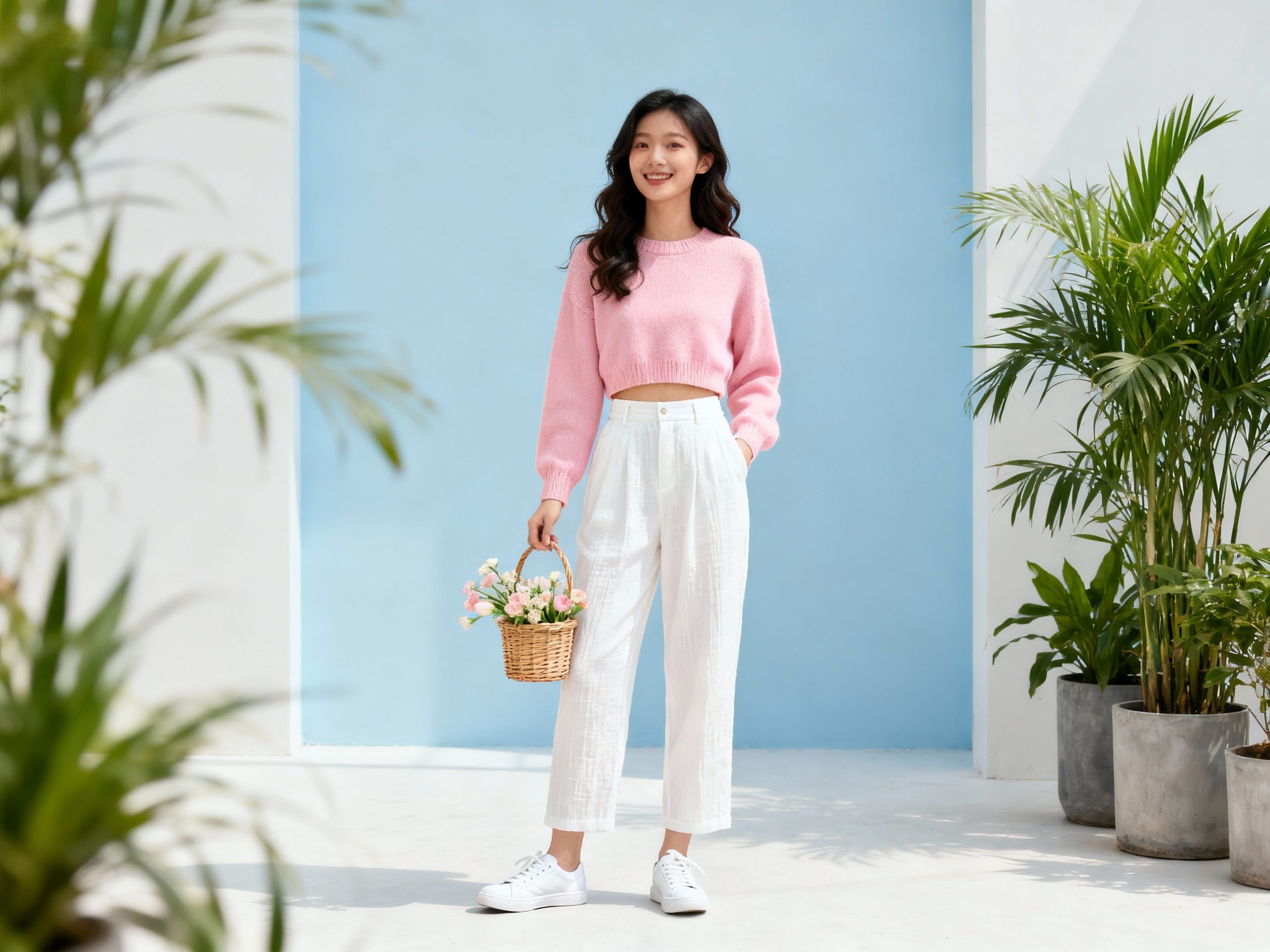
Spring is the perfect season to refresh your wardrobe, and color plays a major role in creating that fresh, renewed feeling. After months of darker, heavier winter tones, spring colors help lighten your look and reflect the energy of the season. Softer shades, brighter hues, and warmer neutrals instantly make outfits feel more breathable, modern, and season-appropriate. The right colors can improve how outfits look and feel, making them appear lighter, more balanced, and more effortless.
Spring colors work especially well because they interact beautifully with natural light. Lighter and fresher tones reflect light instead of absorbing it, which helps outfits feel cooler and more comfortable as temperatures rise. Colors like soft pastels, warm neutrals, gentle greens, and fresh blues bring a sense of clarity and openness to your wardrobe. They also pair easily with one another, making outfit building simpler and more flexible.
Refreshing your wardrobe with spring colors does not require a full replacement of your clothes. Adding a few key pieces in seasonal shades can transform existing outfits and make them feel new again. Whether through tops, layers, accessories, or footwear, spring colors help create a clean, uplifting look that matches the season’s relaxed and optimistic mood.
Why Color Matters More in Spring
Table of Contents
Color matters more in spring because it directly affects how fresh, light, and seasonally appropriate an outfit feels. As the weather shifts away from winter, heavy dark tones can make outfits appear dense and out of place, even if the clothing itself is lightweight. Spring brings more natural light, and colors become more visible and impactful, meaning the wrong shades can feel dull while the right ones instantly refresh your look.
Spring colors interact strongly with sunlight and surroundings. Lighter and softer shades reflect light, making outfits feel cooler, brighter, and more breathable as temperatures rise. Colors such as pastels, soft neutrals, and fresh natural tones enhance the sense of renewal that defines the season. They also complement spring fabrics like cotton, linen, and light knits, creating a balanced and cohesive appearance.
Color also influences mood and perception during spring. Fresh and airy tones tend to feel uplifting and energizing, matching the seasonal shift toward more outdoor activity and lighter styling. Choosing the right colors helps outfits feel effortless and intentional rather than transitional or leftover from winter. In spring, color is not just decorative, it plays a key role in comfort, versatility, and overall style.
Soft Neutrals as a Spring Foundation
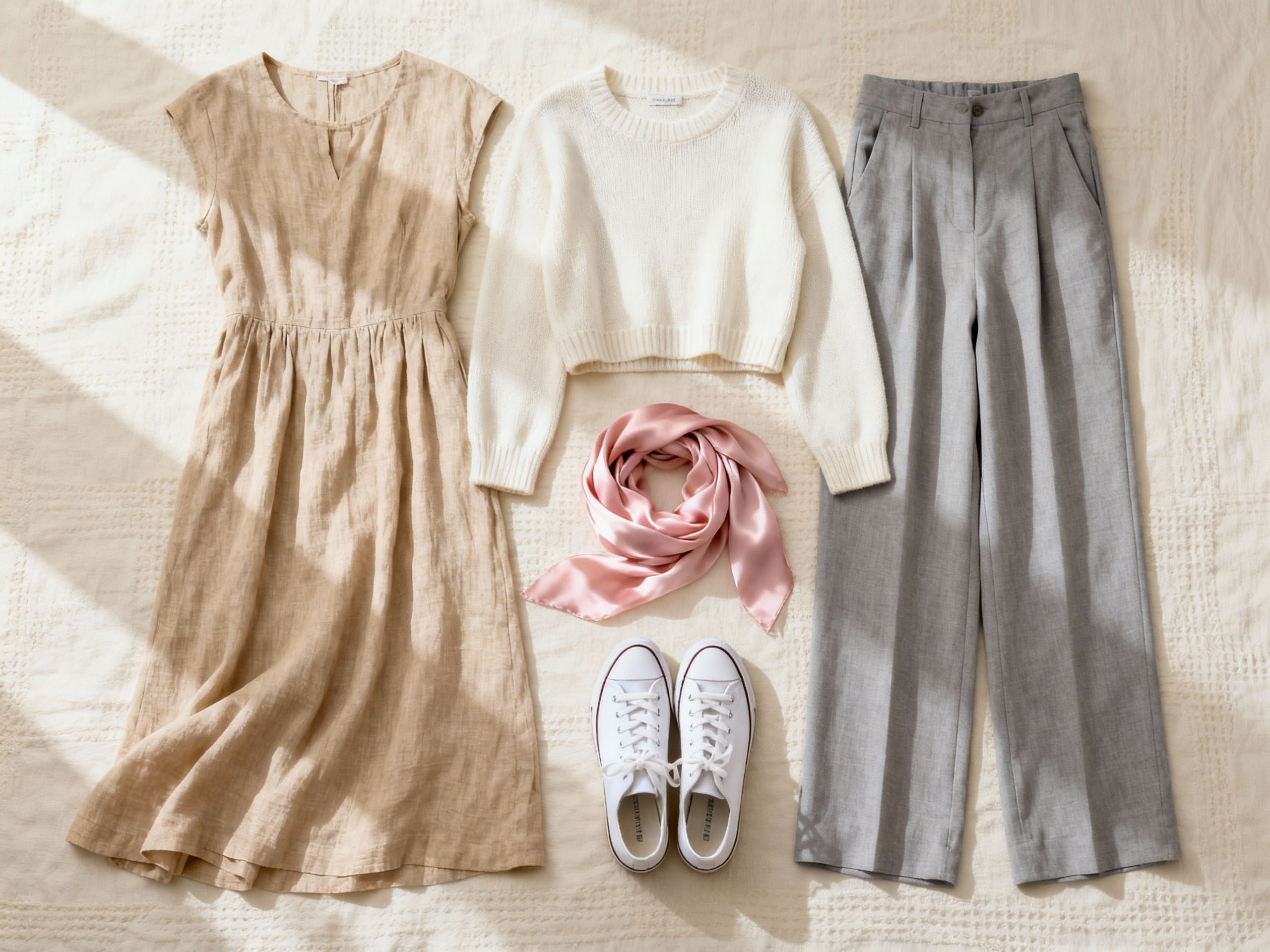
Soft neutrals make an ideal foundation for a spring wardrobe because they create a light, balanced base that feels fresh without being overpowering. Unlike dark winter neutrals, softer shades such as beige, ivory, cream, light gray, and warm taupe reflect light and give outfits a more breathable, season-appropriate feel. These colors instantly soften the overall look and help clothing appear lighter and more relaxed.
Using soft neutrals as a base also makes styling easier in spring. They pair effortlessly with brighter colors, pastels, and natural tones without competing for attention. This flexibility allows you to mix and match pieces more freely, creating multiple outfits from fewer items. Soft neutrals work especially well with spring fabrics like cotton, linen, and light knits, enhancing their natural texture and drape.
In addition, soft neutrals create a clean and timeless look that transitions smoothly throughout the season. They feel polished without being heavy and casual without looking dull. Building spring outfits around soft neutrals provides a versatile foundation that supports freshness, comfort, and effortless style.
Pastel Colors That Feel Natural
Pastel colors feel especially natural in spring because they reflect the softness and freshness of the season. Unlike bold or overly bright shades, pastels bring color into an outfit without feeling heavy or overwhelming. Soft tones such as pale blue, blush pink, lavender, mint, and light peach echo natural spring elements like the sky, flowers, and new greenery, which makes them feel effortless and seasonally appropriate.
These lighter shades work well because they interact gently with natural light. Pastels reflect light in a subtle way, helping outfits look brighter and more breathable as days get longer and sunnier. They also complement spring fabrics like cotton, linen, and lightweight knits, enhancing the airy and relaxed feel that defines spring style.
Another advantage of pastel colors is their versatility. They pair easily with soft neutrals and even with each other, allowing for easy outfit combinations without clashing. When used thoughtfully, pastels add freshness and color while still maintaining a calm, balanced look. This makes them an ideal choice for creating spring outfits that feel light, natural, and easy to wear.
Earth Tones That Transition Well Into Spring

Earth tones transition beautifully into spring because they carry warmth from winter while feeling lighter and more natural as the season changes. Shades like soft brown, warm tan, muted olive, clay, sand, and light camel feel grounded and calm without appearing heavy. These colors reflect natural elements such as soil, wood, and stone, which aligns perfectly with spring’s sense of renewal and balance.
Lighter earth tones work especially well in spring because they soften the overall look of an outfit. Compared to deep winter browns or dark greens, spring-friendly earth tones appear more breathable and relaxed. They pair easily with seasonal fabrics like linen, cotton, and light denim, enhancing texture without overpowering the outfit. These shades also absorb less heat visually, helping outfits feel more comfortable as temperatures rise.
Earth tones are highly versatile and easy to style during seasonal transitions. They blend effortlessly with soft neutrals, pastels, and even brighter spring colors, making them ideal for layering and mix-and-match outfits. Using earth tones in spring creates a natural, effortless look that feels connected to the season while remaining timeless and wearable.
Using Color to Lighten Heavy Outfits
Using color is one of the easiest ways to lighten heavy outfits during spring without completely changing your wardrobe. Even when wearing structured pieces or thicker fabrics, lighter and fresher colors can instantly shift the overall look from winter-heavy to spring-appropriate. Color affects visual weight, and brighter or softer tones naturally make outfits feel less dense and more breathable.
Replacing dark shades with lighter versions of the same color is a simple strategy. For example, swapping black for soft gray, navy for light blue, or dark brown for warm beige reduces heaviness while keeping outfits polished. Adding light-colored layers, such as a cream shirt or a pastel top, can also soften structured jackets or heavier bottoms.
Color placement matters as well. Lighter colors worn closer to the face brighten the overall look and create a fresher appearance. Accessories like scarves, shoes, or bags in spring tones can further balance heavier garments without requiring major outfit changes. By using color thoughtfully, even winter-weight pieces can feel lighter, more seasonal, and better suited for spring.
Balancing Color Without Overdoing It
Balancing color in spring outfits is about creating freshness without making the look feel overwhelming. While spring encourages lighter and brighter shades, using too many colors at once can make an outfit feel busy or uncoordinated. A balanced approach allows color to enhance your look while keeping it clean, effortless, and wearable.
One effective way to maintain balance is to anchor outfits with neutral tones and add color intentionally. Using one or two color accents alongside soft neutrals keeps the look grounded while still feeling seasonal. This prevents colors from competing with each other and helps the outfit feel cohesive rather than chaotic.
Another important factor is color intensity. Mixing softer, muted shades instead of multiple bold tones creates harmony and visual calm. Even brighter spring colors look more refined when paired with neutrals or lighter earth tones. By being selective and intentional with color placement, outfits feel refreshed and stylish without crossing into excess.
Color Placement for a Fresher Look
Color placement plays a key role in creating a fresher and more balanced spring look. Where color appears on an outfit can be just as important as the color itself. Placing lighter or brighter shades closer to the face helps reflect natural light upward, instantly making the overall appearance look brighter and more refreshed. This can be done through tops, scarves, lightweight jackets, or even subtle accessories.
Using softer colors on upper layers while keeping bottoms more neutral creates visual balance and prevents outfits from feeling heavy. This approach draws attention upward and keeps the look light without requiring bold color choices. Even a small pop of spring color near the neckline can transform an outfit and make it feel seasonally appropriate.
Color can also be used strategically to soften structured or darker pieces. Pairing lighter tones with heavier fabrics helps reduce visual weight and creates contrast that feels intentional rather than forced. Thoughtful color placement allows outfits to feel fresh, clean, and effortless while maintaining simplicity and cohesion.
Accessories as a Safe Way to Add Color
Accessories are one of the safest and easiest ways to add color to spring outfits without overwhelming your look. Small items like scarves, bags, shoes, belts, or jewelry introduce freshness and personality while keeping the overall outfit balanced. Because accessories are limited in size, they allow you to experiment with color without committing to bold clothing pieces.
Adding color through accessories is especially useful if your wardrobe is built around neutrals. A soft pastel bag, a light-colored scarf, or fresh-toned shoes can instantly refresh an outfit and make it feel more seasonally appropriate. This approach keeps outfits flexible, as accessories can be changed easily to create different looks using the same base clothing.
Accessories also help control color placement. Using color near the face or hands draws attention upward and creates a brighter, more polished appearance. By relying on accessories for color, spring outfits feel fresh, intentional, and stylish without the risk of overdoing it.
Conclusion
Refreshing your wardrobe in spring is largely about using color in a lighter, more intentional way. As the season changes, colors help shift outfits away from winter heaviness and toward a fresher, more breathable feel. Soft neutrals, gentle pastels, and lighter earth tones create balance and versatility, while thoughtful color placement keeps outfits looking clean and seasonally appropriate.
Using color does not require dramatic changes. Small adjustments, such as choosing lighter shades, balancing colors with neutrals, or adding color through accessories, can make a noticeable difference. These subtle choices help outfits feel refreshed without becoming overwhelming or difficult to style.
By approaching spring color with simplicity and purpose, your wardrobe becomes easier to mix, more comfortable to wear, and better suited to the season. Color becomes a tool for freshness and ease, helping your style feel lighter, more modern, and naturally aligned with spring.