Seasonal dressing is not about following fashion rules blindly. It is about understanding how small choices affect comfort, appearance, and practicality throughout the year.
Start With Awareness, Not Trends
Table of Contents
Many people dress based on trends without considering the season. Awareness of temperature, weather patterns, and daily activity leads to smarter outfit decisions.
Understand How Fabric Weight Affects Comfort

Fabric weight determines how warm or cool an outfit feels. Choosing the right weight prevents overheating in summer and discomfort in colder months.
Use Layering to Control Temperature
Layering is one of the most effective seasonal dressing techniques. It allows you to adjust warmth without changing your entire outfit during the day.
Pay Attention to Fit Changes by Season
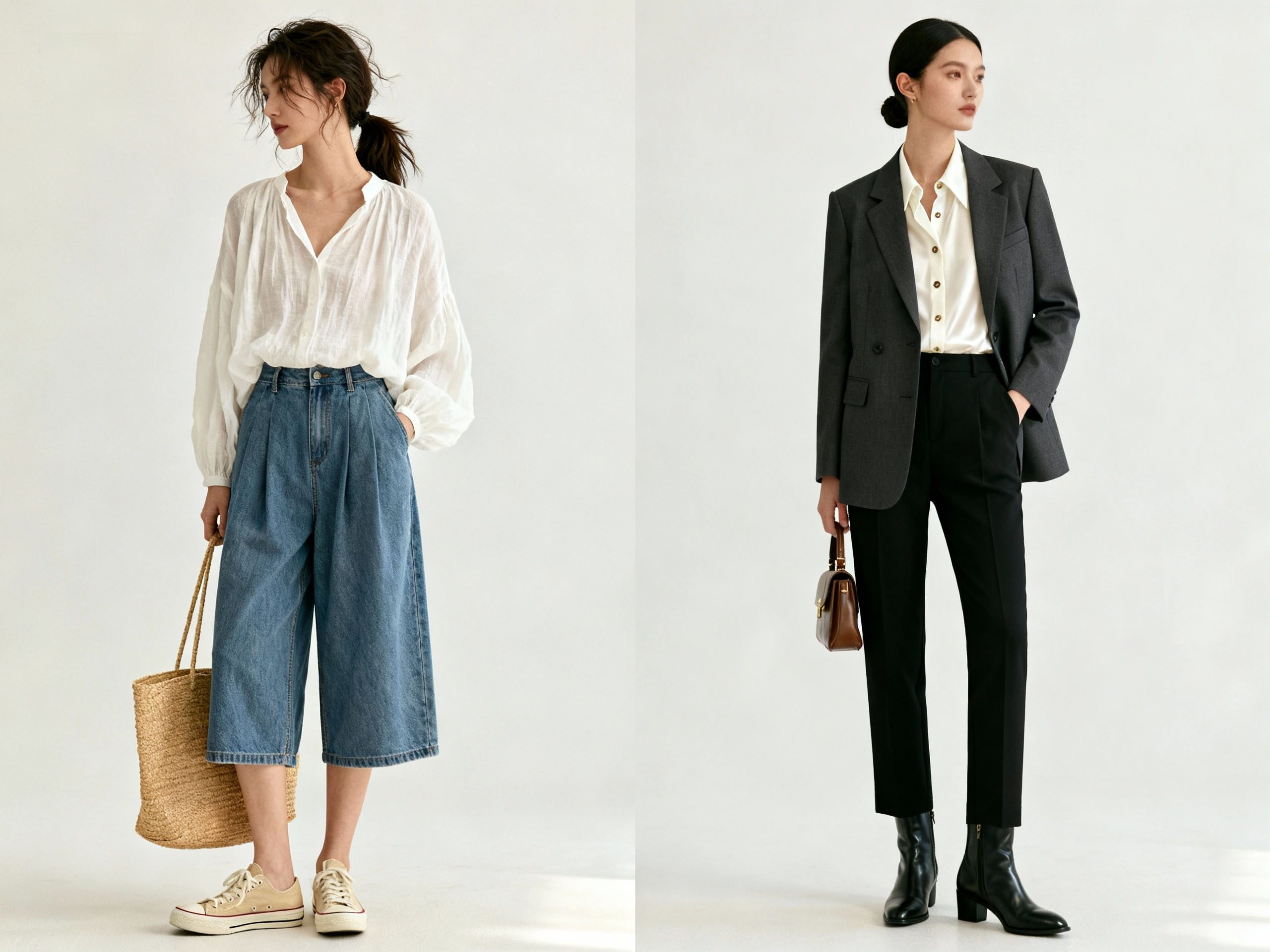
Clothing fit should adapt slightly across seasons. Looser fits improve airflow in warm weather, while structured fits help retain warmth in cooler seasons.
Let Colors Support Seasonal Balance
Colors influence how heavy or light an outfit feels visually. Lighter shades feel fresher in warm seasons, while deeper tones add warmth and depth in colder periods.
Choose Footwear That Matches the Season
Footwear plays a major role in seasonal comfort and appearance. Shoes that suit the weather make outfits feel more appropriate and functional.
Outerwear Should Be Practical First
Seasonal outerwear should support weather conditions before style. When outer layers function well, style naturally follows.
Accessories Should Adjust, Not Dominate
Accessories help fine-tune seasonal outfits. Scarves, socks, and bags should add function without overwhelming the look.
Conclusion
Seasonal dressing becomes easy when you focus on fundamentals. By understanding fabric, fit, and function, style stays consistent and comfortable all year.