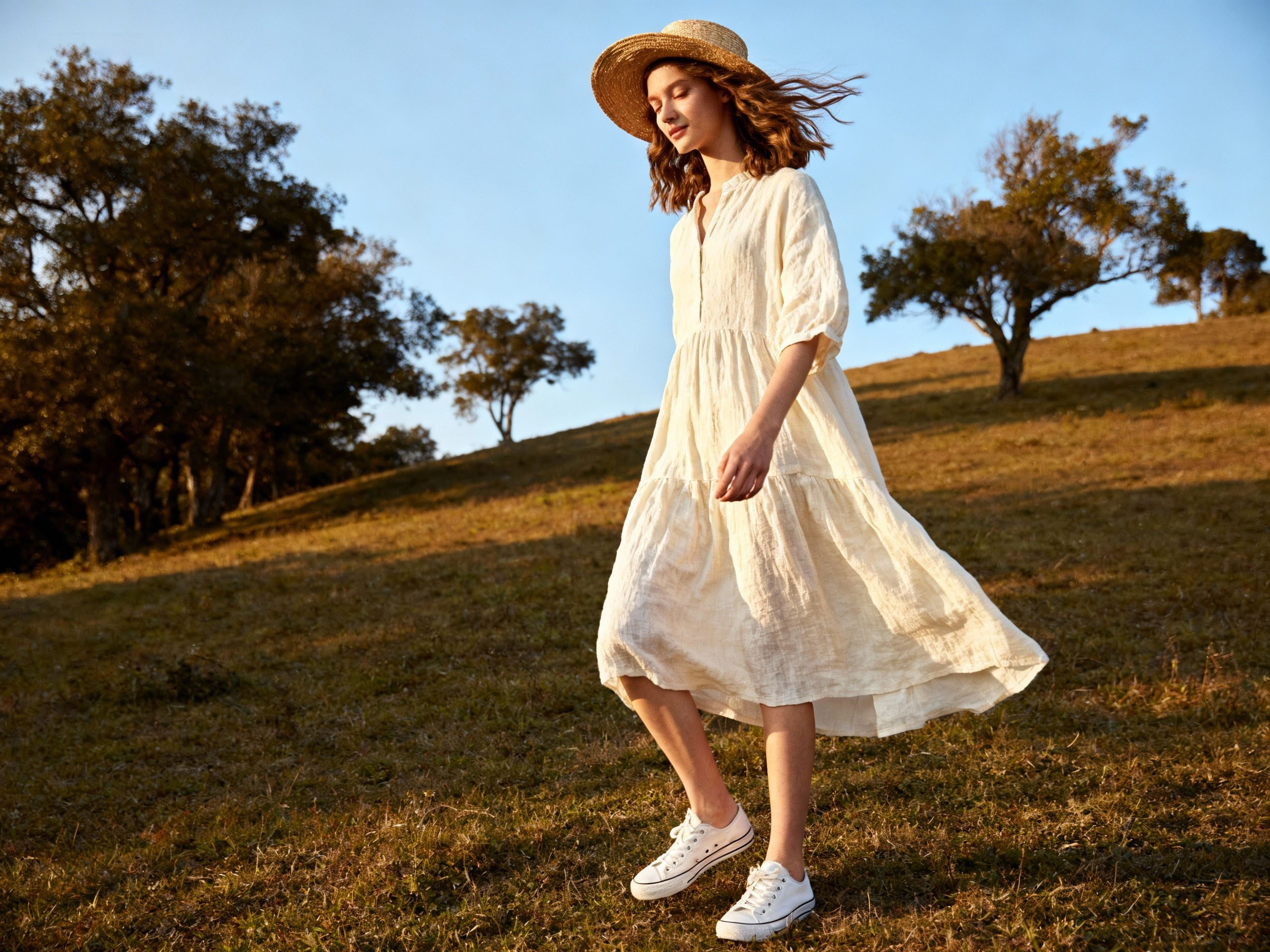
Weather changes affect more than just comfort. They directly influence how fabrics feel, how layers work, and how outfits perform throughout the day.
Why Weather Awareness Matters in Fashion
Table of Contents
Ignoring weather conditions often leads to outfits that feel restrictive or uncomfortable. When clothing does not match the climate, style quickly loses its impact.
Temperature and Outfit Structure
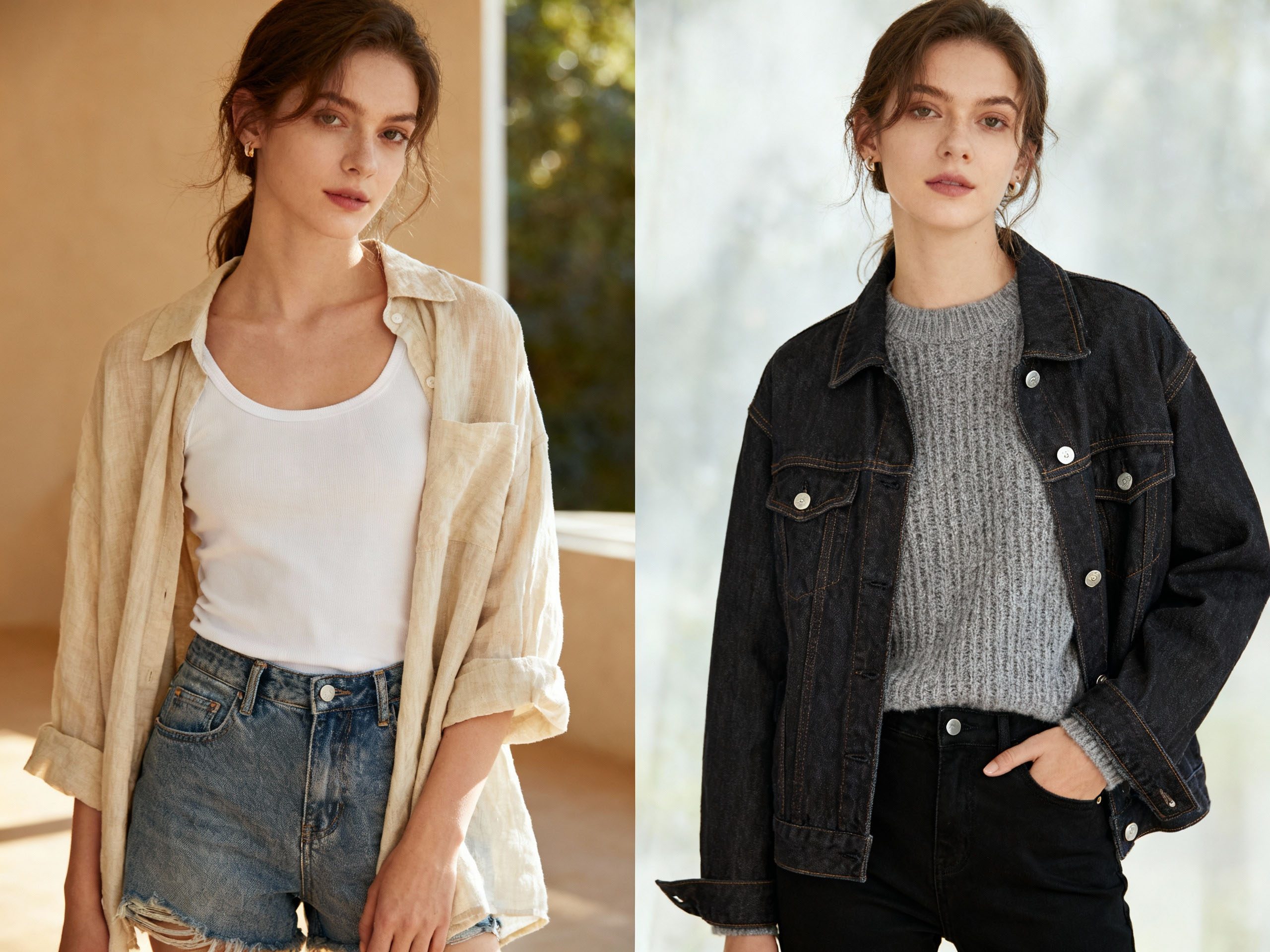
Temperature determines how much layering and coverage your outfit needs. Cool weather requires structure and insulation, while warm weather benefits from airflow and lightness.
How Humidity Changes Fabric Performance
Humidity affects how fabrics behave on the body. Some materials trap moisture, while others allow the skin to breathe more easily.
Choosing Fabrics Based on Weather
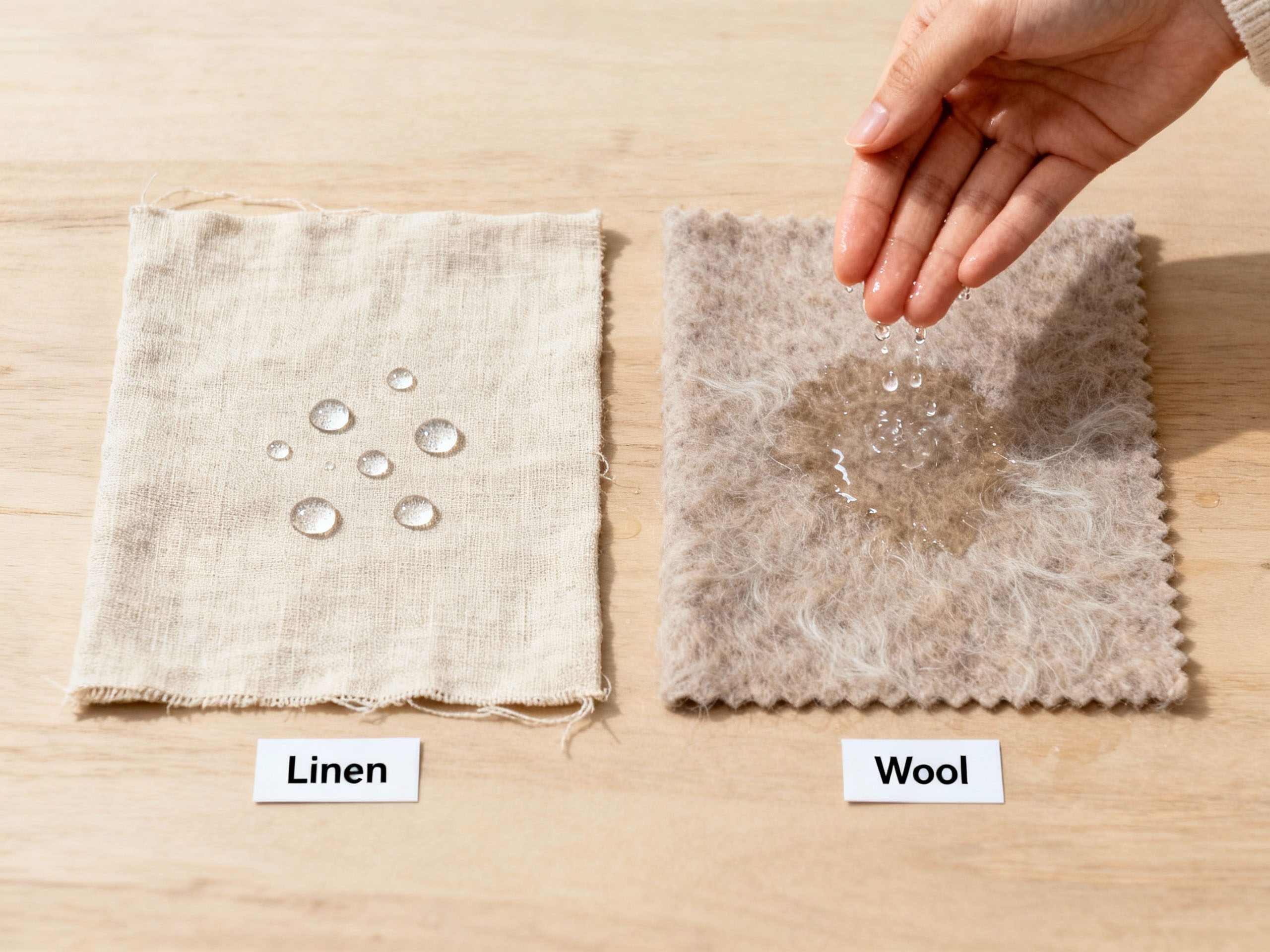
Weather-friendly fabrics improve both comfort and appearance. Cotton and linen work better in heat, while wool and knit fabrics perform well in cooler conditions.
Wind, Rain, and Practical Styling
Weather is not only about temperature but also movement and exposure. Wind and rain require smarter layering, protective outerwear, and secure outfit choices.
Adapting Style Without Losing Personality
Adjusting to weather does not mean sacrificing personal style. Small changes in fabric, fit, and layering keep outfits functional while staying true to your look.
Why Weather-Based Dressing Looks Better
Outfits that respect weather conditions appear more natural and polished. When clothing works with the environment, confidence and ease become visible.
Conclusion
Weather should always guide your styling decisions. When outfits adapt to climate changes, style becomes both practical and visually balanced.