Undertones play a major role in how clothing colors look on you. Two people with the same skin tone can look very different in the same color because of their undertones.
Understanding undertones helps you choose clothing colors that enhance your natural complexion instead of working against it.
What Are Skin Undertones
Table of Contents
Undertones are the subtle colors beneath the surface of the skin. Unlike skin tone, undertones remain consistent even when your skin gets lighter or darker.
The three main undertones are warm, cool, and neutral.
Warm Undertones and Clothing Colors
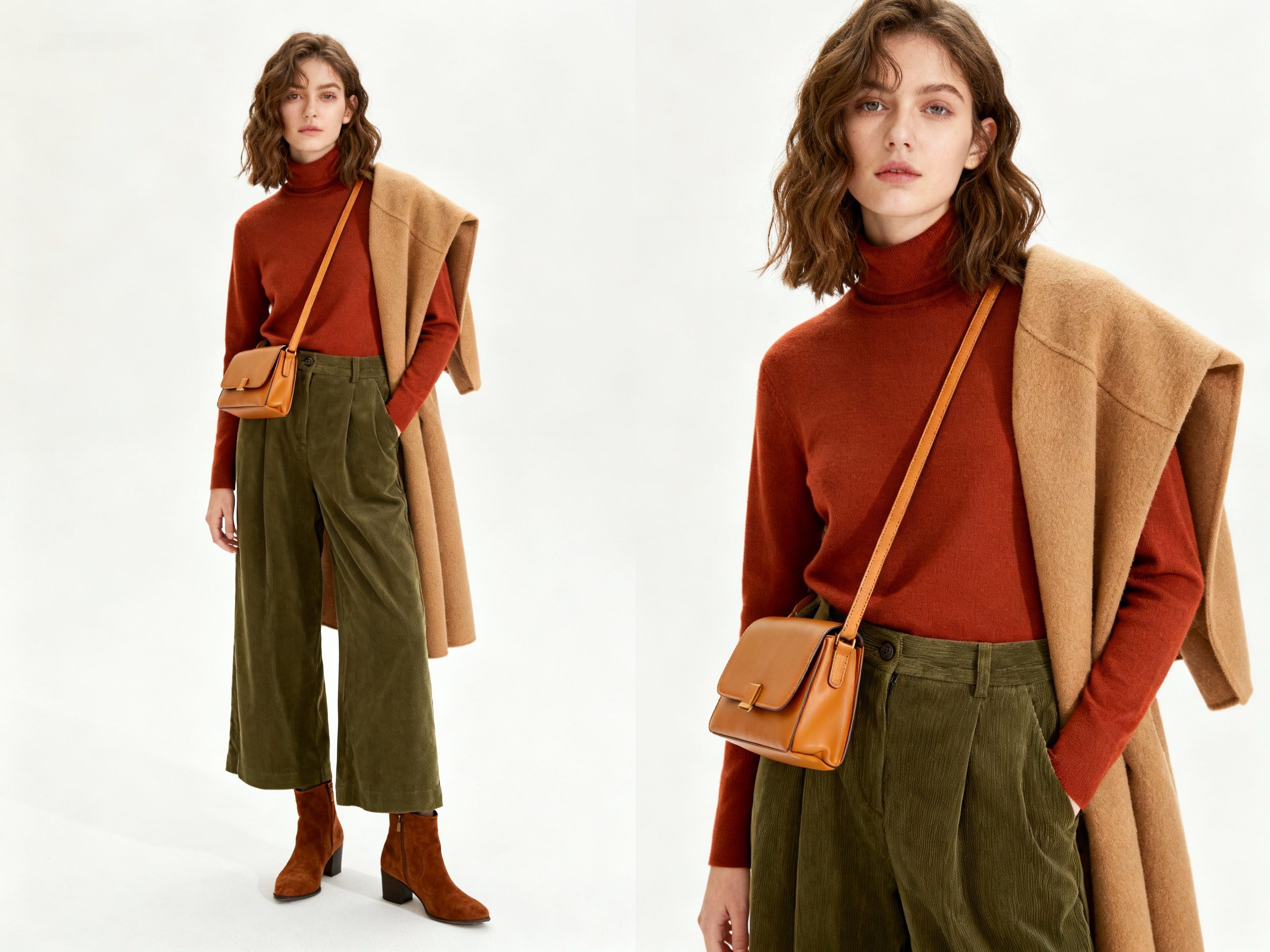
Warm undertones pair best with golden and earthy shades.
- Olive, mustard, rust, and camel
- Warm reds and oranges
- Cream, beige, and warm browns
Cool Undertones and Clothing Colors

Cool undertones shine in crisp and jewel tones.
- Blue, emerald, purple, and burgundy
- Cool gray and pure white
- Icy pastels and silver tones
Neutral Undertones and Color Flexibility
Neutral undertones can wear both warm and cool colors.
- Balanced shades work best
- Avoid extremely warm or extremely cool tones
- Mix colors carefully for harmony
Easy Ways to Identify Your Undertone
You can identify your undertone using simple observation.
- Gold jewelry flatters warm undertones
- Silver jewelry flatters cool undertones
- Both suit neutral undertones
Conclusion
Undertones strongly influence how clothing colors appear on your skin.
When you dress according to your undertone, your outfits look more natural, balanced, and flattering.