Changing weather is one of the biggest challenges in daily dressing. Staying stylish during unpredictable conditions requires flexibility, planning, and smart outfit choices.
Why Changing Weather Affects Style
Table of Contents
Sudden temperature shifts can make outfits feel uncomfortable or impractical. When clothing does not adapt to weather changes, style often looks forced or unfinished.
Build Outfits Around Flexible Layers
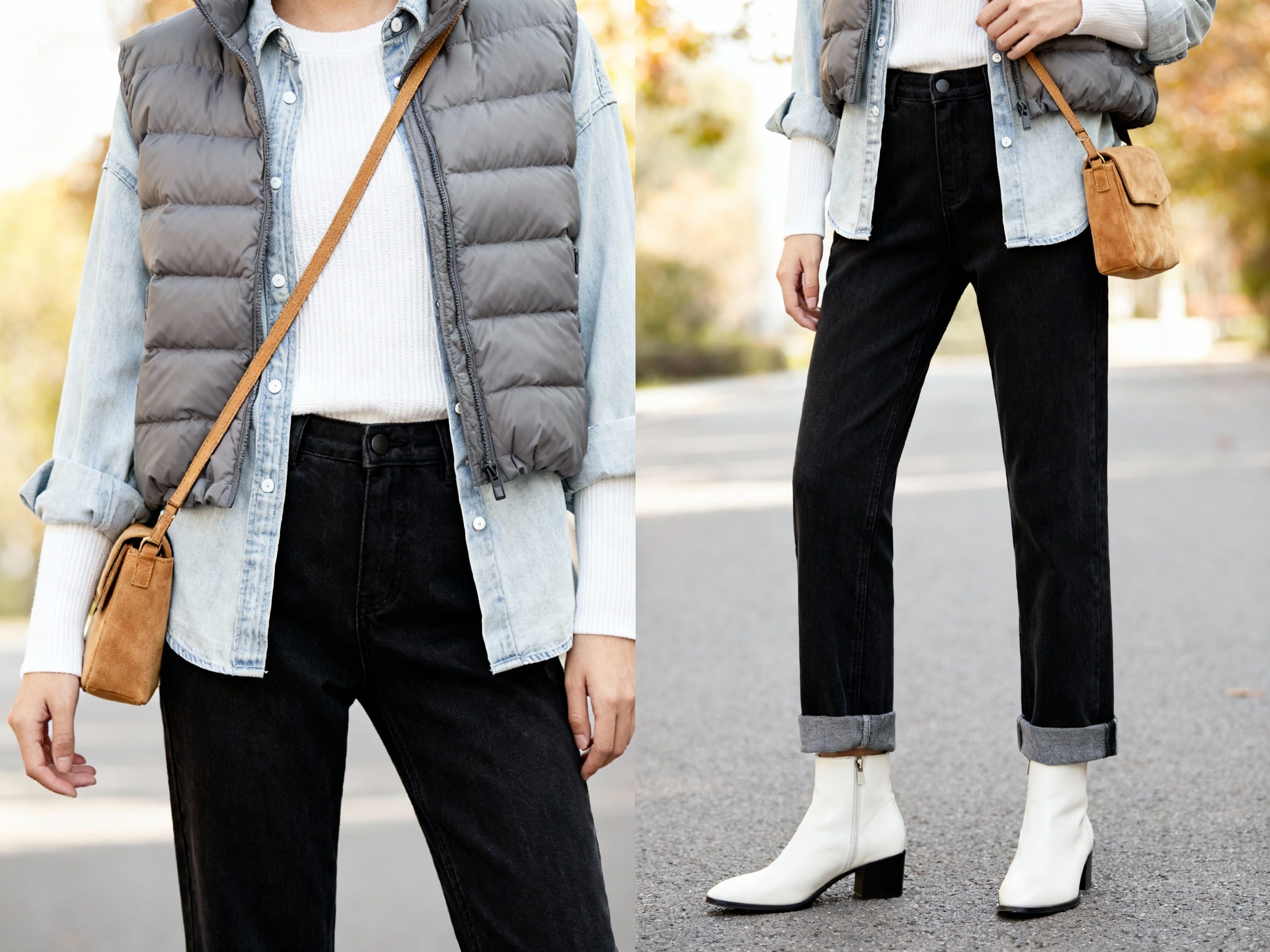
Layering allows outfits to respond to weather shifts without losing structure. Light jackets, cardigans, and overshirts can be added or removed as conditions change.
Choose Fabrics That Perform in Multiple Conditions
Some fabrics handle temperature changes better than others. Mid-weight cottons, knits, and blends offer comfort across warm and cool moments.
Pay Attention to Morning and Evening Differences

Weather often changes between morning and evening. Outfits should be planned for the full day rather than a single moment.
Use Neutral Bases to Stay Versatile
Neutral colors make weather-based adjustments easier. They allow layers and accessories to change without disrupting the overall look.
Footwear That Handles Weather Shifts
Shoes play a major role in adapting to changing conditions. Closed, breathable footwear offers flexibility when weather is unpredictable.
Accessories That Add Function and Style
Accessories help manage weather changes without heavy layering. Scarves, lightweight hats, and structured bags add both function and visual balance.
Why Simplicity Works Best in Unstable Weather
Simple outfits are easier to adjust throughout the day. When weather changes, minimal styling keeps outfits looking intentional.
Conclusion
Staying stylish through changing weather is about preparation, not perfection. With flexible layers and smart fabric choices, style remains consistent despite the forecast.