Dressing better using color balance becomes easier when outfits are built around harmony, restraint, and clear visual focus. The goal is not to wear as many colors as possible or follow strict fashion rules, but to create looks where colors work together naturally. When color choices feel balanced, outfits appear intentional, confident, and effortless rather than forced.
Balanced outfits rely on a clear structure of colors. Neutral shades often form the foundation, while stronger or brighter colors are used with purpose. This approach allows the eye to move comfortably across the outfit without being overwhelmed. When colors support each other instead of competing, the overall look feels calm and well put together.
Effective color balance also comes from controlling contrast. Mixing light and dark tones creates depth, while keeping contrast consistent prevents visual chaos. Too much contrast can feel loud, while too little can look flat. Finding the middle ground helps outfits feel dynamic but still cohesive.
Most importantly, dressing better through color balance prioritizes consistency over experimentation. Repeating colors, tones, or shades within an outfit creates unity and polish. Over time, understanding how colors interact builds confidence, making it easier to get dressed without overthinking and allowing personal style to feel natural and refined.
What Color Balance Means in Fashion
Table of Contents
Color balance in fashion refers to how different colors are combined in an outfit to create harmony and visual comfort. It is not about following trends or matching everything perfectly, but about making sure colors support each other instead of competing for attention. When color balance is done well, an outfit looks intentional, polished, and easy on the eyes.
Balanced color use often relies on controlling the relationship between neutrals and stronger shades. Neutral colors help ground an outfit, while brighter or deeper colors add interest and personality. When these elements are used in the right proportion, the outfit feels stable rather than overwhelming.
Color balance also involves managing contrast and tone. Light and dark colors work together to create depth, while warm and cool tones influence the overall mood of an outfit. Too much contrast can feel chaotic, while too little can look dull. Proper balance keeps the look visually engaging without feeling heavy.
Ultimately, color balance helps clothing feel cohesive. It allows individual pieces to connect into a single, unified look. When colors are balanced, outfits feel confident and refined, making style choices look natural rather than forced.
Balance Bold and Neutral Colors
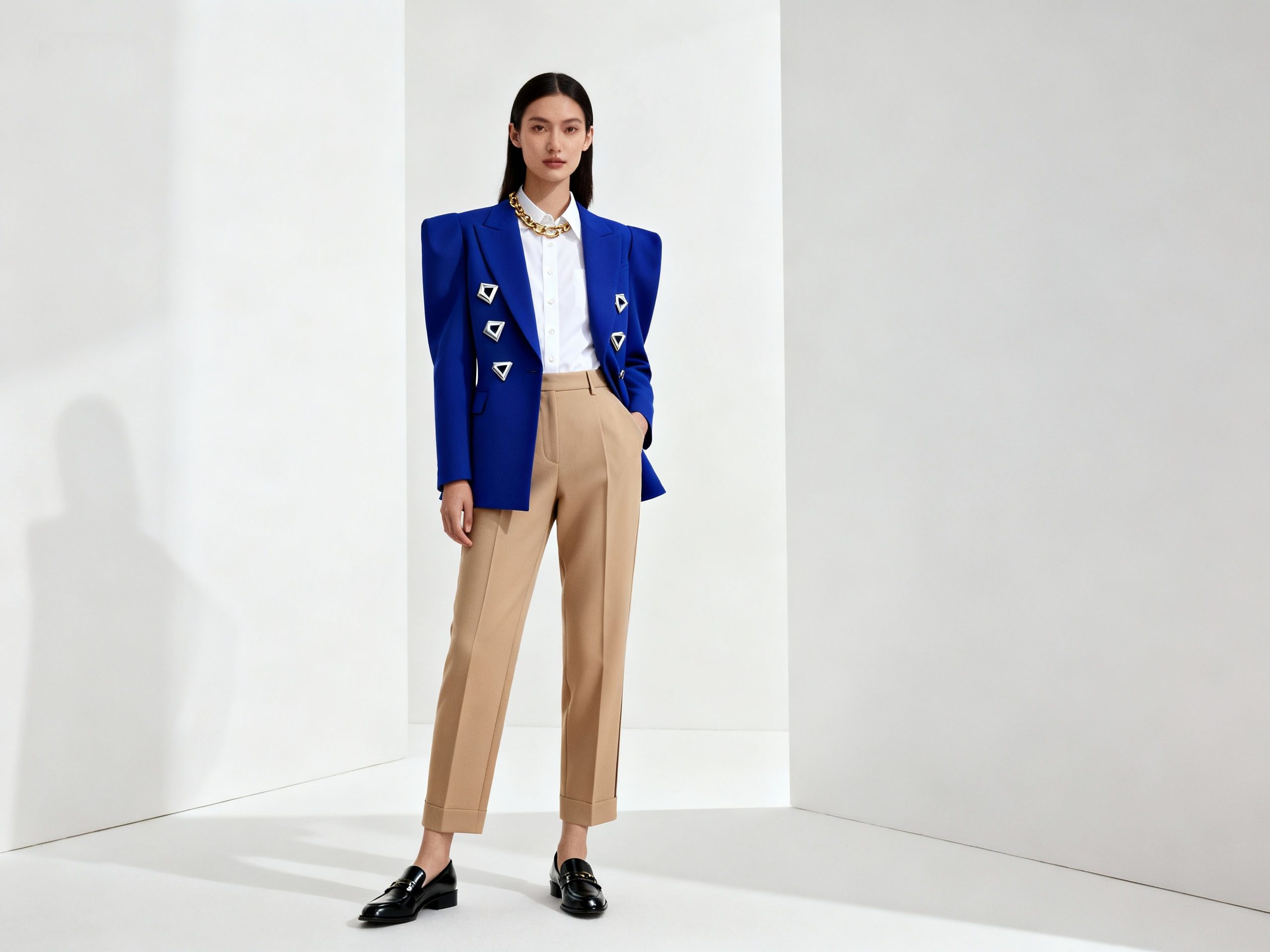
Neutrals help ground bold color choices.
Bold colors should be supported by neutral shades.
- Use bold colors as highlights
- Let neutrals fill larger clothing areas
- Avoid bold colors from head to toe
Balancing bold and neutral colors is one of the simplest ways to make outfits look stylish without feeling overwhelming. Neutral colors such as white, beige, gray, black, and navy create a calm foundation, while bold colors add personality and visual interest. When these elements are combined thoughtfully, the outfit feels confident and well put together.
A balanced look usually starts with neutrals taking the lead. Neutral pieces help soften strong colors and give the eye a place to rest. This allows bold shades to stand out naturally instead of dominating the entire outfit. When bold colors are supported by neutrals, they appear more refined and intentional.
Keeping bold colors limited is key to maintaining harmony. One bold color is often enough to create impact, especially when the rest of the outfit stays simple. Adding too many strong shades can make an outfit feel busy and distracting, while a controlled use of bold color keeps the look clean and focused.
Ultimately, balancing bold and neutral colors helps outfits feel effortless. Neutrals provide stability, bold colors express style, and together they create a look that feels polished, modern, and easy to wear in everyday life.
Distribute Colors Evenly

Even color placement creates visual harmony.
Repeating colors across the outfit prevents imbalance.
- Match shoes with tops or accessories
- Repeat accent colors subtly
- Avoid concentrating color in one area only
Distributing colors evenly in an outfit helps create visual harmony and prevents any single area from feeling too heavy or distracting. Instead of concentrating all the color in one place, spreading similar tones across the outfit allows the eye to move smoothly from top to bottom. This makes the overall look feel balanced and intentional.
Even color distribution often happens through repetition. When a color appears more than once—such as in shoes, accessories, or small details—it connects different parts of the outfit together. This repetition creates unity and keeps bold or noticeable colors from feeling isolated or overpowering.
Balance also comes from placement. Pairing a darker top with a lighter bottom, or echoing a strong color from the top with a subtle accent near the bottom, helps stabilize the look. When colors are thoughtfully placed, outfits feel grounded rather than top-heavy or uneven.
Ultimately, evenly distributed colors make outfits look polished and effortless. The focus stays on the overall appearance instead of one dominant element, allowing style to feel natural, cohesive, and visually comfortable.
Use Light and Dark Shades Together
Combining light and dark shades adds depth and contrast.
- Light colors draw attention
- Dark colors ground the outfit
- Mix both for visual interest
Using light and dark shades together adds depth and structure to an outfit, making it look more dynamic and intentional. When everything is the same shade, outfits can appear flat, but combining lighter and darker tones creates contrast that helps each piece stand out naturally.
Light shades often bring freshness and openness to a look, while dark shades add weight and grounding. When paired together, they balance each other, preventing the outfit from feeling either too heavy or too washed out. This contrast guides the eye and gives the outfit a clear visual flow.
Mixing light and dark tones also helps define proportions. Darker colors can anchor the outfit, while lighter colors draw attention to certain areas. This makes the overall look feel more structured and flattering without relying on complex styling techniques.
Ultimately, combining light and dark shades keeps outfits visually interesting while maintaining balance. The contrast feels intentional and refined, allowing clothing to look cohesive, confident, and easy to wear in everyday settings.
Consider Proportion and Fit
Color balance works best when paired with proper proportions.
- Dark colors slim and ground the body
- Light colors highlight areas
- Use color to guide focus naturally
Considering proportion and fit is essential to creating outfits that look balanced and well put together. Even with the right colors, poor fit or uneven proportions can disrupt the overall appearance. When clothing fits properly and proportions are intentional, the entire outfit feels more harmonious and polished.
Balanced proportions help colors work better together. Loose and fitted pieces should complement each other rather than compete. Pairing a relaxed top with a more structured bottom, or vice versa, keeps the silhouette visually stable. This prevents one part of the outfit from overpowering the rest.
Fit also affects how colors are perceived. Well-fitted clothing allows colors to sit cleanly on the body, making them appear sharper and more refined. Ill-fitting pieces can cause colors to look sloppy or unbalanced, even if the color choices themselves are strong.
Ultimately, proportion and fit support the overall flow of an outfit. When garments align with the body naturally, colors fall into place more easily, creating a look that feels confident, intentional, and effortlessly stylish.
Conclusion
Color balance is what brings an outfit together and makes style feel effortless rather than forced. When colors are chosen with intention, distributed evenly, and supported by proper proportion and fit, clothing looks more refined and confident. Balanced use of bold and neutral tones, along with light and dark shades, creates harmony that feels natural to the eye.
Ultimately, dressing better through color balance is about awareness, not rules. Small, thoughtful choices lead to outfits that feel cohesive, comfortable, and polished. Over time, understanding how colors interact builds confidence and allows personal style to develop in a way that feels authentic and easy to maintain.