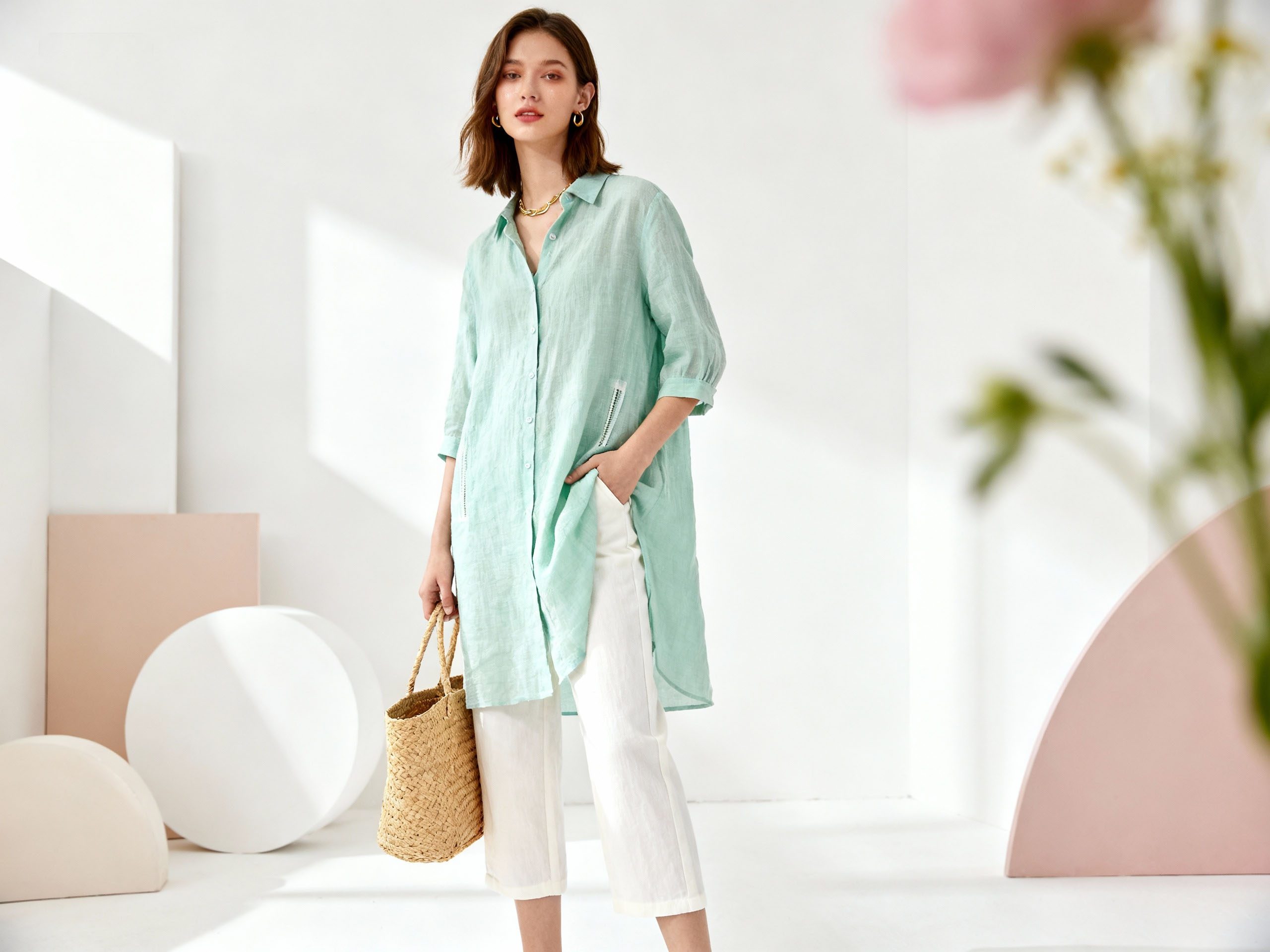
Spring is a transitional season where comfort and adaptability become essential in everyday clothing. As temperatures shift between cool mornings, warm afternoons, and mild evenings, what you wear needs to respond easily to these changes. This is why fabric choice matters just as much as style or fit during spring. The right fabrics help regulate body temperature, improve breathability, and support layering without adding unnecessary weight or discomfort. Choosing suitable spring fabrics can make outfits feel lighter, fresher, and more comfortable while also enhancing how clothes move and look throughout the day. By understanding which fabrics work best in spring, it becomes easier to build a wardrobe that feels practical, stylish, and season-appropriate in all conditions.
Why Fabric Choice Matters in Spring
Table of Contents
Fabric choice matters greatly in spring because this season brings constant changes in temperature, humidity, and daily comfort needs. Unlike winter or summer, spring rarely stays consistent throughout the day. Mornings can feel cool, afternoons warm, and evenings slightly chilly again. Wearing the wrong fabric during these shifts can lead to discomfort, overheating, or feeling too cold, even if the outfit looks suitable at first glance. The right fabric helps regulate body temperature naturally, allowing warmth to escape when the day heats up while still providing light insulation when the air cools.
Breathability is another key reason fabric selection is important in spring. As the weather becomes warmer, the body begins to sweat more, especially during movement or outdoor activities. Breathable fabrics allow air to circulate and moisture to evaporate, keeping the skin dry and comfortable. Non-breathable materials trap heat and sweat, leading to irritation, unpleasant odors, and a sticky feeling that can last all day. Choosing fabrics that manage moisture effectively helps maintain freshness and prevents skin sensitivity during this transitional season.
Comfort and skin health are also closely tied to fabric choice in spring. Lighter, softer fabrics reduce friction against the skin, which is especially important when clothing is worn for long hours. Heavy or rough materials can cause itching, redness, or discomfort as the body adjusts to warmer conditions. In addition, spring clothing often involves layering, and fabrics that are flexible and lightweight make layering easier without adding bulk or stiffness.
From a style perspective, fabric choice influences how clothes drape, move, and appear in natural light. Spring fashion is typically associated with ease, freshness, and movement, and the wrong fabric can make an outfit feel visually heavy or out of season. Overall, selecting the right fabrics in spring ensures better comfort, healthier skin, improved versatility, and a more polished and season-appropriate look throughout the day.
Cotton for Everyday Spring Comfort
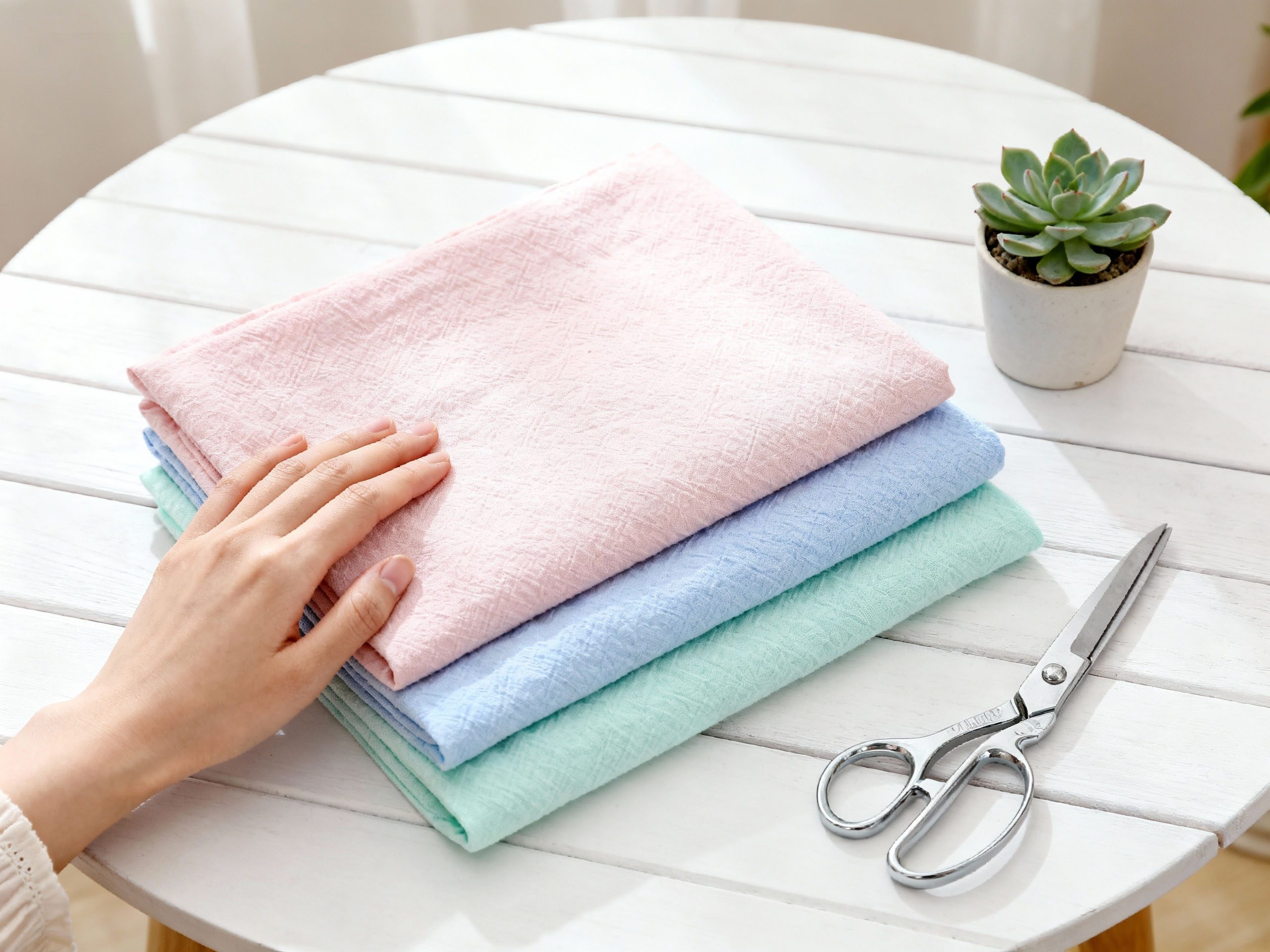
Cotton is one of the most practical and comfortable fabric choices for spring, making it a staple for everyday wear during this transitional season. Its natural fibers allow excellent airflow, helping the body breathe and regulate temperature as the weather shifts between cool and warm throughout the day. This breathability prevents heat from becoming trapped against the skin, which is especially important during spring afternoons when temperatures can rise unexpectedly.
Another key advantage of cotton is its ability to absorb moisture effectively. As spring weather can be slightly humid or warmer during movement, cotton helps soak up sweat and allows it to evaporate gradually, keeping the skin feeling dry and fresh. This moisture control reduces discomfort, unpleasant odors, and the risk of skin irritation, making cotton ideal for long hours of wear at work, outdoors, or during daily activities.
Cotton is also gentle on the skin, which is particularly important in spring when heavier winter fabrics are replaced with lighter clothing that comes into closer contact with the body. Its soft texture minimizes friction and is suitable for sensitive skin, helping prevent itching or redness. In addition, cotton garments feel lightweight without being flimsy, offering a sense of ease and natural comfort that aligns well with spring lifestyles.
From a style and practicality standpoint, cotton is highly versatile. It works well in t-shirts, shirts, dresses, trousers, and lightweight layers, allowing easy mixing and layering without adding bulk. Cotton fabrics also hold color well and maintain a clean, relaxed appearance that fits perfectly with spring’s fresh and effortless look. Overall, cotton delivers everyday spring comfort by combining breathability, softness, moisture control, and versatility in one reliable fabric.
Light Knits for Mild Spring Days
Light knit fabrics are an ideal choice for mild spring days, providing a comfortable balance between warmth and breathability during a season known for changing temperatures. When mornings are cool and afternoons become warmer, light knits help regulate body heat by offering gentle insulation without trapping excess warmth. Their construction creates small air spaces within the fabric, which allows heat to escape gradually while still protecting the body from cool breezes.
One of the main benefits of light knits is their flexibility and softness. Unlike heavy winter knits, lightweight versions move easily with the body and feel comfortable during extended wear. This makes them suitable for everyday activities, work settings, and casual outings. Many light knits are made from breathable fibers or blends that help manage moisture, reducing the chance of feeling sweaty or overheated as the day progresses.
Light knits are also excellent for layering, which is essential in spring. They can be worn over lightweight shirts or under jackets without adding bulk, allowing outfits to adapt easily to temperature changes. From a style perspective, light knits add texture and depth to spring outfits while maintaining a clean and polished appearance. They work well in cardigans, thin sweaters, and knit tops, offering a relaxed yet refined look that suits the season.
Overall, light knits provide comfort, versatility, and visual balance during mild spring days. Their ability to combine warmth, breathability, and easy layering makes them a dependable fabric choice for creating practical and stylish spring outfits.
Linen for Warmer Spring Weather
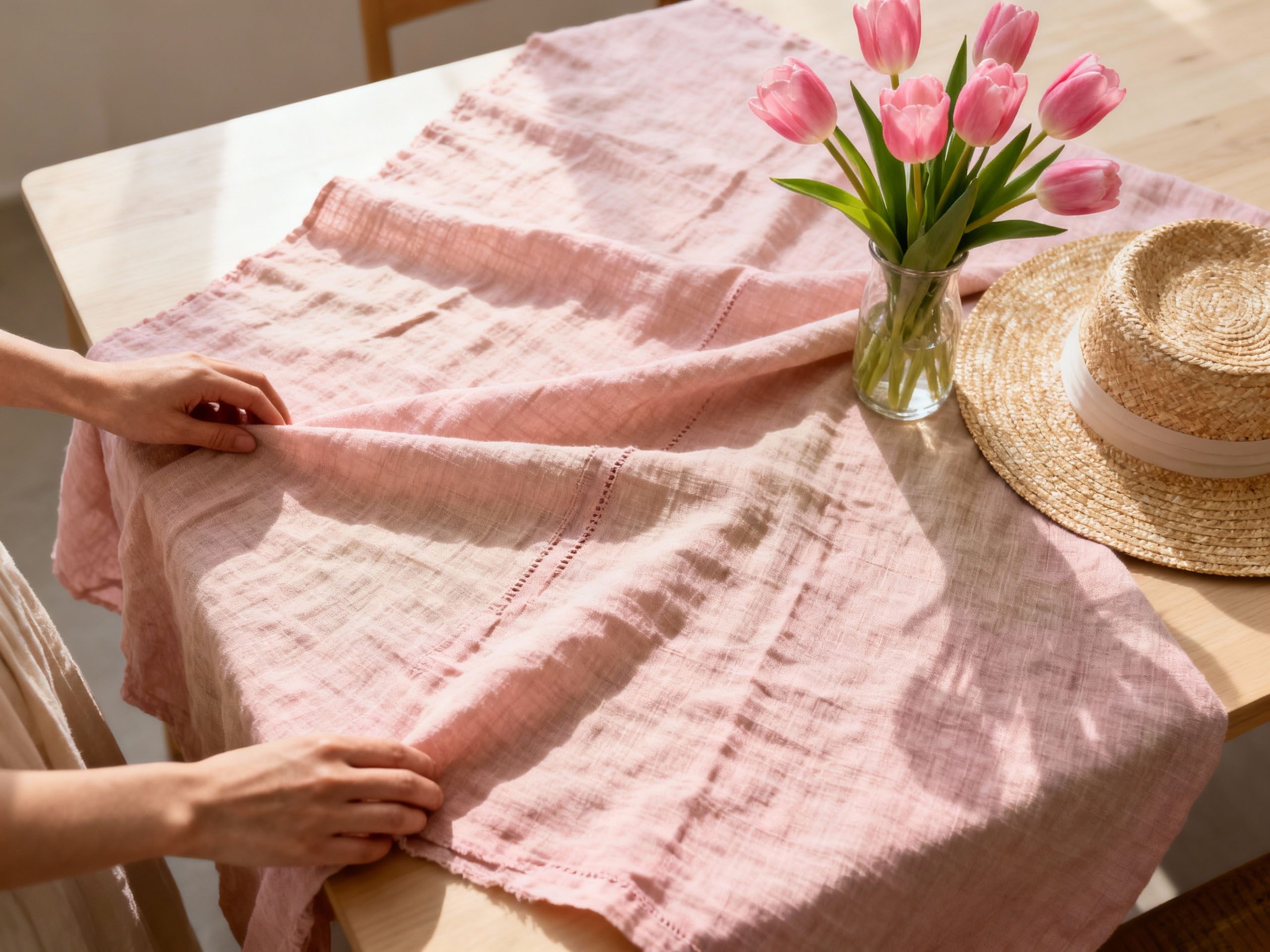
Linen is one of the best fabric choices for warmer spring weather, especially as temperatures begin to rise and days become sunnier. Made from natural flax fibers, linen is known for its exceptional breathability, allowing air to flow freely through the fabric and helping the body stay cool even during warm afternoons.
This natural airflow prevents heat from becoming trapped against the skin, reducing sweating and discomfort. Linen also has excellent moisture-wicking properties, absorbing perspiration quickly and drying faster than many other fabrics, which helps keep the skin feeling fresh and dry in mild to warm spring conditions.
One of linen’s standout qualities is its lightweight feel, making it ideal for spring clothing that needs to stay airy without feeling flimsy. Although linen is light, it is also durable and strong, ensuring comfort without sacrificing longevity.
The slightly textured, relaxed look of linen perfectly complements the casual and effortless style often associated with spring and early summer. While linen is known for wrinkling easily, these natural creases add to its charm and contribute to a laid-back, breathable aesthetic rather than a stiff or overly structured appearance.
Linen garments such as shirts, trousers, dresses, and blazers are especially popular in spring because they offer comfort, freedom of movement, and natural temperature control. Overall, linen is a top choice for warmer spring weather, combining cooling performance, moisture management, and a fresh, seasonal look that feels both practical and stylish.
Blended Fabrics for Flexibility
Blended fabrics are an excellent option for spring because they combine the strengths of multiple fibers into one balanced and highly functional material. By mixing natural fabrics such as cotton or linen with synthetic fibers like polyester, rayon, or elastane, blended fabrics are designed to offer improved comfort, durability, and flexibility compared to single-fiber materials. This makes them especially useful during spring, when clothing needs to adapt to changing temperatures, varying activity levels, and frequent layering.
One of the main advantages of blended fabrics is their enhanced flexibility and stretch. The addition of elastic fibers allows garments to move easily with the body, reducing stiffness and improving overall comfort during daily activities. This is ideal for long days that involve walking, sitting, or transitioning between indoor and outdoor environments. Blended fabrics also tend to hold their shape better than pure natural fibers, which means clothes look neat and polished for longer periods without excessive wrinkling.
Another important benefit is improved moisture management. Many blends are designed to wick away sweat while still allowing air to circulate, helping the skin stay dry and comfortable during warmer spring hours. At the same time, blends often dry faster than natural fabrics alone, making them practical for everyday wear and travel. In addition, blended fabrics are usually easier to care for, requiring less ironing and maintaining their color and texture after repeated washing.
From a style perspective, blended fabrics offer versatility. They can appear smooth and structured for workwear or soft and relaxed for casual outfits, depending on the blend and weave. Overall, blended fabrics provide flexibility, comfort, and practicality, making them a smart choice for spring wardrobes that need to balance ease of movement, durability, and seasonal comfort.
Denim in Lighter Weights
Lightweight denim is a smart and practical fabric choice for spring, offering the classic look of denim without the heaviness typically associated with colder seasons. As temperatures rise, traditional thick denim can feel restrictive and trap heat, while lighter-weight denim allows better airflow and improved comfort throughout the day. This makes it ideal for spring weather, where warmth increases but occasional cool breezes still call for slightly structured clothing.
One of the key benefits of lightweight denim is its breathability compared to heavier denim fabrics. The thinner weave allows heat to escape more easily, reducing overheating and making it suitable for extended wear. Many lighter denims are also blended with a small amount of stretch fiber, which adds flexibility and improves comfort during movement, whether walking, sitting, or bending.
Lightweight denim is also highly versatile in spring wardrobes. It works well in jeans, jackets, skirts, shirts, and dresses, offering easy layering options without adding bulk. A light denim jacket, for example, provides enough warmth for cooler mornings while remaining comfortable when worn during warmer afternoons. In addition, lighter denim tends to drape better, creating a more relaxed and modern silhouette that aligns well with spring fashion trends.
From a style standpoint, lighter denim often comes in softer washes and brighter tones that reflect the fresh feel of the season. These lighter shades absorb less heat and visually complement spring colors. Overall, lightweight denim delivers the durability and timeless appeal of traditional denim while providing the breathability, flexibility, and comfort needed for spring wear.
Avoid Heavy and Non-Breathable Fabrics
Avoiding heavy and non-breathable fabrics during spring is essential for maintaining comfort as temperatures begin to rise and fluctuate throughout the day. Fabrics that are thick, dense, or poorly ventilated tend to trap heat and moisture against the skin, leading to overheating, excessive sweating, and general discomfort. Spring weather often shifts quickly from cool to warm, and heavy materials can make these transitions feel uncomfortable and restrictive, especially during long hours of wear.
Non-breathable fabrics, particularly those made entirely from certain synthetic fibers, limit airflow and prevent proper moisture evaporation. As a result, sweat builds up on the skin, which can cause irritation, unpleasant odors, and in some cases skin sensitivity or breakouts. These fabrics also tend to feel sticky or clammy in mild humidity, making them unsuitable for daily spring outfits that require freshness and ease of movement.
Heavy fabrics can also reduce flexibility and layering efficiency. Thick materials add unnecessary bulk, making outfits feel stiff and limiting the ability to adapt to changing temperatures. Instead of enhancing warmth, they often create discomfort once the day becomes warmer. In contrast, lighter and breathable fabrics allow for better layering, letting you add or remove pieces without feeling weighed down.
From a style perspective, heavy fabrics can appear out of place in spring, as they often look structured or winter-oriented. Choosing breathable, lighter alternatives creates a more natural drape and a cleaner, season-appropriate look. Overall, avoiding heavy and non-breathable fabrics in spring helps promote better airflow, improved comfort, healthier skin, and a more versatile and polished seasonal wardrobe.
How Fabric Texture Affects Spring Style
Fabric texture plays a significant role in defining spring style, often influencing how an outfit looks and feels more than color or pattern alone. In spring, when fashion shifts toward lighter, fresher, and more relaxed aesthetics, texture becomes especially important in creating outfits that feel seasonally appropriate. Smooth, soft, and lightly structured textures tend to reflect light better and create an airy appearance, which aligns perfectly with the fresh energy of spring. In contrast, rough or overly heavy textures can make outfits appear dense or winter-focused, even if the colors are light.
The texture of a fabric also affects how clothing drapes and moves on the body. Lightweight and flexible textures flow more naturally, enhancing comfort and giving garments a relaxed yet polished look. This movement is essential in spring fashion, where ease and effortlessness are key. Textures such as soft cotton weaves, fine knits, or gently textured linen add visual interest without overwhelming the outfit, making them ideal for everyday spring wear.
Layering is another area where fabric texture matters. Spring outfits often rely on layering to adjust to temperature changes, and combining different textures can add depth and balance to an overall look. Pairing a smooth shirt with a lightly textured knit or a soft denim layer creates contrast while keeping the outfit cohesive. However, bulky or stiff textures can disrupt this balance, making layers feel heavy or awkward.
Texture also influences how comfortable clothing feels against the skin. In spring, when skin is more exposed, fabrics with rough or synthetic textures can cause irritation, while soft and breathable textures enhance comfort and wearability. Overall, thoughtful fabric texture choices help create spring styles that look lighter, move better, feel more comfortable, and reflect the season’s fresh and effortless character.
Conclusion
Choosing the right fabrics for spring plays a crucial role in overall comfort, style, and practicality during this transitional season. As temperatures fluctuate and weather conditions shift throughout the day, fabrics that offer breathability, light insulation, and flexibility help the body stay comfortable without overheating or feeling restricted. Materials such as cotton, linen, light knits, blended fabrics, and lightweight denim provide the ideal balance between airflow and coverage, making them well-suited for spring’s changing demands.
Equally important is avoiding heavy and non-breathable fabrics that trap heat and moisture, as they can quickly lead to discomfort and skin irritation. Fabric texture also contributes significantly to how spring outfits look and feel, influencing movement, layering, and overall visual lightness. Soft, flexible, and lightly textured fabrics enhance the fresh and effortless style associated with the season.
Ultimately, thoughtful fabric choices allow spring wardrobes to feel adaptable, comfortable, and visually balanced. By prioritizing breathable materials, lighter weights, and suitable textures, it becomes easier to create outfits that not only look seasonally appropriate but also support all-day comfort and confidence.