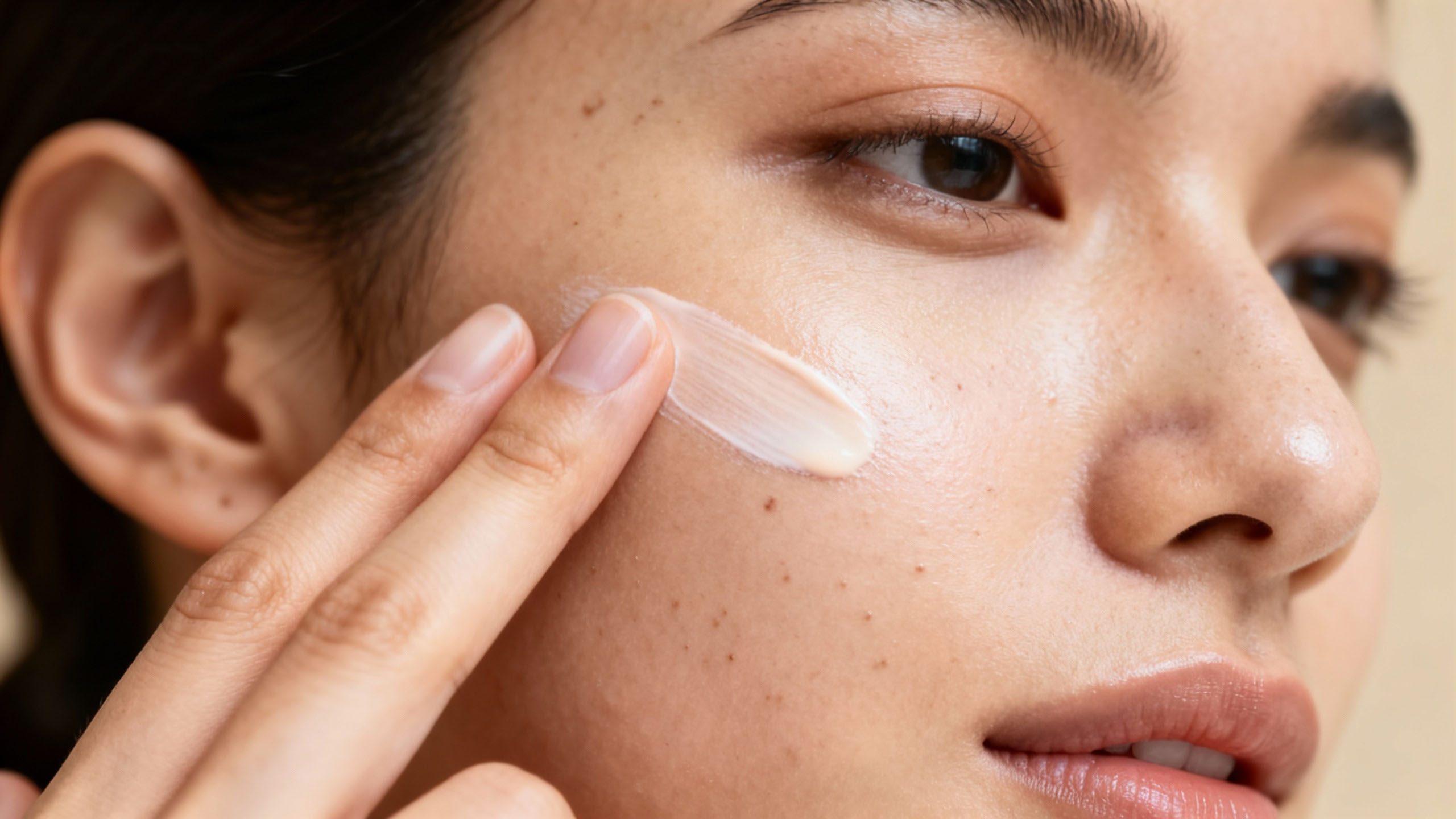
Many people with oily or acne-prone skin avoid sunscreen because they fear clogged pores, breakouts, or extra shine. Unfortunately, skipping sunscreen leads to sun damage, increased oil imbalance, and acne scars that last longer.
With the right approach, sunscreen can protect oily and acne-prone skin without causing breakouts.
Why Oily and Acne-Prone Skin Still Needs Sunscreen
Table of Contents
Sun exposure damages the skin barrier and increases inflammation.
This can worsen acne, dark spots, and excess oil production.
Best Sunscreen Textures for Oily Skin
Texture is the most important factor.
- Gel sunscreens absorb quickly
- Fluid or water-based formulas feel lightweight
- Matte finishes reduce shine
Chemical vs Mineral Sunscreens
Both types can work for oily skin when chosen carefully.
- Chemical sunscreens feel lighter on the skin
- Mineral sunscreens suit sensitive, acne-prone skin
Ingredients to Look For
- Niacinamide to calm inflammation
- Oil-control ingredients
- Non-comedogenic labels
Ingredients to Avoid
- Heavy oils and butters
- Highly comedogenic ingredients
- Thick, greasy formulas
How to Apply Sunscreen Correctly
Proper application prevents breakouts.
- Apply after moisturizer
- Use the recommended amount
- Let sunscreen set before makeup
Reapplying Sunscreen Without Ruining Makeup
Use lightweight reapplication methods.
- Powder sunscreens
- Sunscreen sprays designed for the face
Common Sunscreen Mistakes for Oily Skin
- Skipping sunscreen completely
- Using body sunscreen on the face
- Applying too little product
Conclusion
Sunscreen is essential for oily and acne-prone skin.
Choosing the right formula and applying it correctly protects the skin without causing breakouts or shine.