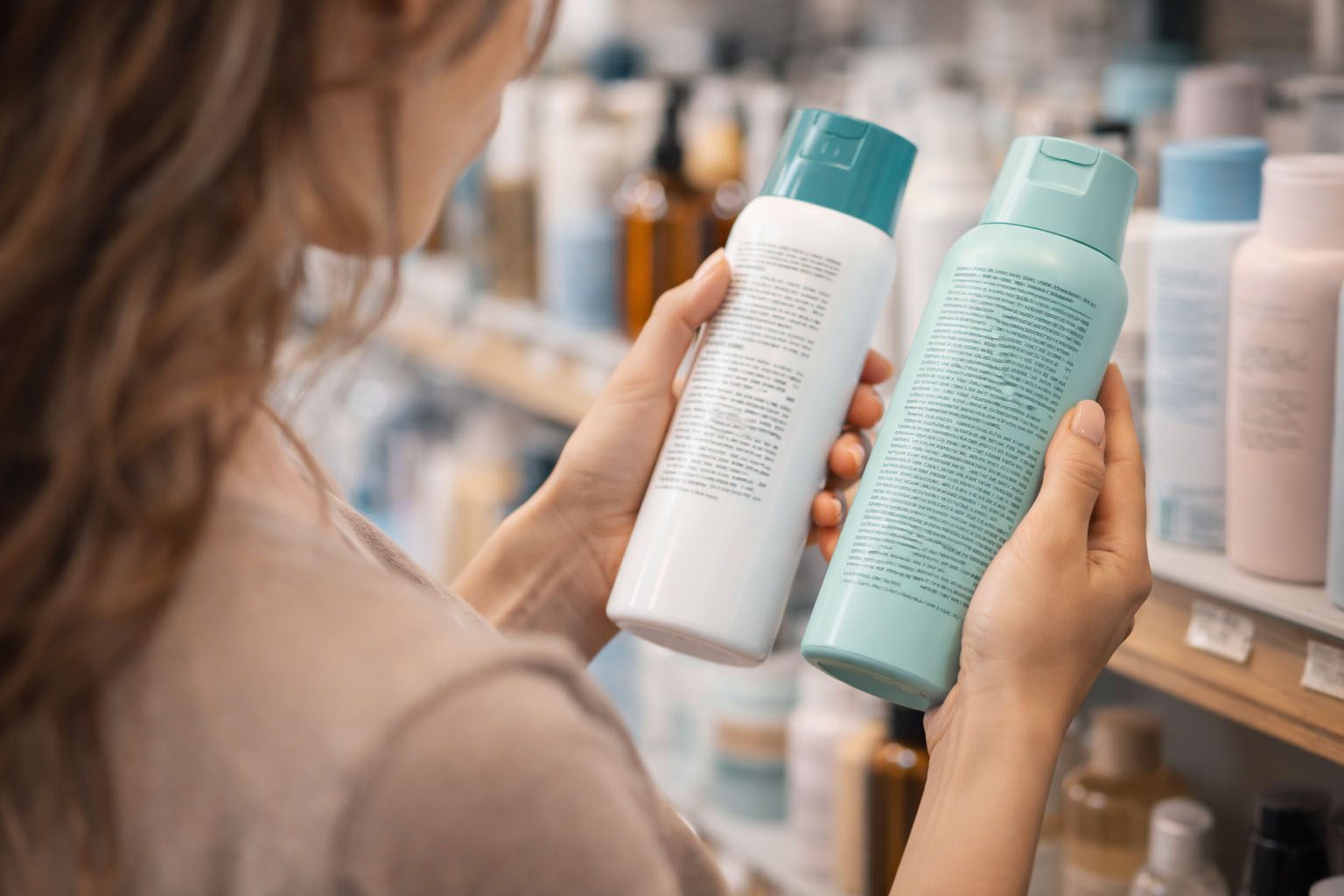
Not all products labeled “for dry hair” actually help. The real difference is in ingredients and how they work together. Learning what to look for—and what to avoid—can completely change your results.
Key Ingredients Dry Hair Loves
Table of Contents
When reading labels, prioritize these moisture-boosting ingredients:
- Humectants (attract moisture):
Glycerin, honey, aloe vera, panthenol - Emollients (soften hair):
Shea butter, cocoa butter, avocado oil - Oils (seal moisture):
Argan oil, jojoba oil, sweet almond oil - Gentle proteins (strengthen without dryness):
Hydrolyzed silk, keratin (light amounts)
Ingredients to Limit or Avoid
- Strong sulfates (SLS, SLES)
- Drying alcohols (alcohol denat, ethanol high on the list)
- Excessive protein if hair feels stiff
- Heavy waxes and silicones if hair feels coated but still dry
Rule of thumb:
If your hair feels shiny but rough, you’re sealing dryness—not fixing it.
Dry Hair Care by Hair Type
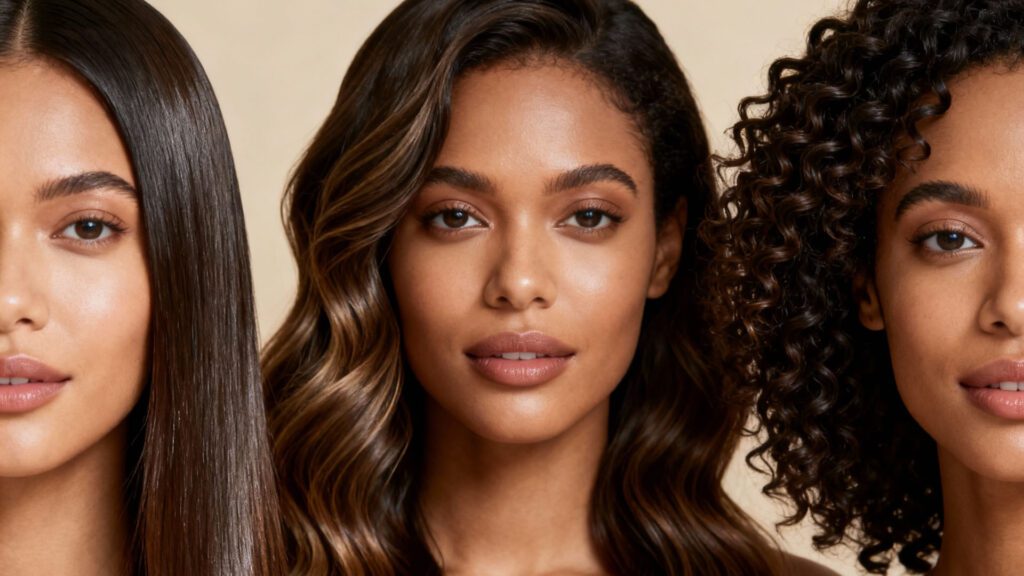
Dryness shows up differently depending on hair texture. Adjusting your routine makes a big difference.
Straight Hair (Dry & Flat)
- Use lightweight conditioners
- Avoid heavy oils on roots
- Focus moisture on mid-lengths and ends
Wavy Hair (Dry & Frizzy)
- Use leave-in creams instead of heavy gels
- Scrunch products into damp hair
- Avoid brushing when dry
Curly Hair (Dry & Shrinkage)
- Deep condition weekly
- Layer moisture (leave-in + cream + oil)
- Detangle only with conditioner
Coily Hair (Very Dry & Fragile)
- Moisturize frequently
- Use rich creams and butters
- Protective styles help retain moisture
Night Care: The Missing Step for Dry Hair

What you do at night can either protect moisture—or steal it.
Simple Night Routine
- Apply a light leave-in or cream to ends
- Seal with a few drops of oil
- Sleep on satin or silk pillowcases
- Use a satin bonnet or scarf
This reduces friction, prevents moisture loss, and minimizes breakage while you sleep.
How Long Does It Take to See Results?
Dry hair repair is gradual, not instant.
- 1–2 weeks: Hair feels softer and easier to manage
- 3–4 weeks: Less frizz and breakage
- 6–8 weeks: Visible shine and healthier ends
Consistency matters more than expensive products.
Final Advice: Moisture First, Always
If you remember one thing, let it be this:
Dry hair needs moisture before anything else.
Cleansing gently, hydrating deeply, sealing properly, and protecting daily will transform your hair over time—no extreme routines required.