Foundation oxidation is one of the most confusing makeup problems. You apply foundation that matches perfectly, only to notice it turning darker, orange, or dull after a few hours.
This color change is not a flaw in your skin—it is a chemical reaction influenced by skin type, product formula, and application techniques. Understanding why oxidation happens is the first step to preventing it.
What Is Foundation Oxidation?
Table of Contents
Foundation oxidation occurs when ingredients in the foundation react with oxygen, oils, or the skin’s natural chemistry, causing the color to deepen or shift.
Oxidation usually becomes noticeable within 10 to 60 minutes after application.
Main Reasons Foundation Oxidizes

Multiple factors can cause foundation to darken after application.
- Excess oil production on the skin
- Incorrect foundation formula for skin type
- Improper skin preparation
- Layering incompatible skincare and makeup products
How Skin Type Affects Oxidation
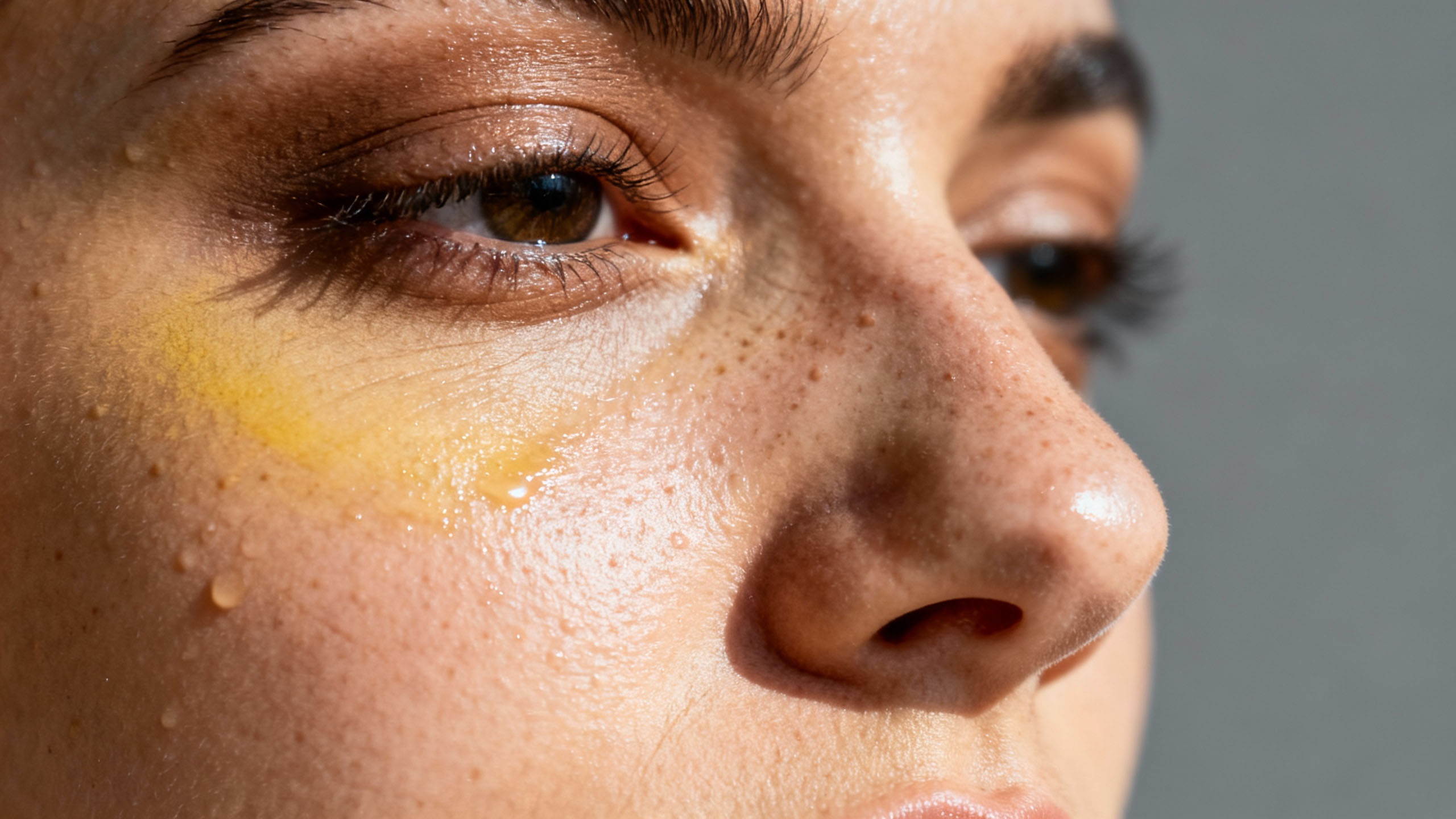
Oily skin is more prone to foundation oxidation.
Skin type plays a major role in oxidation.
- Oily skin: Excess oil accelerates oxidation
- Combination skin: Oxidation appears mostly in the T-zone
- Dry skin: Less prone, but still possible with certain formulas
Choosing the Right Foundation Formula
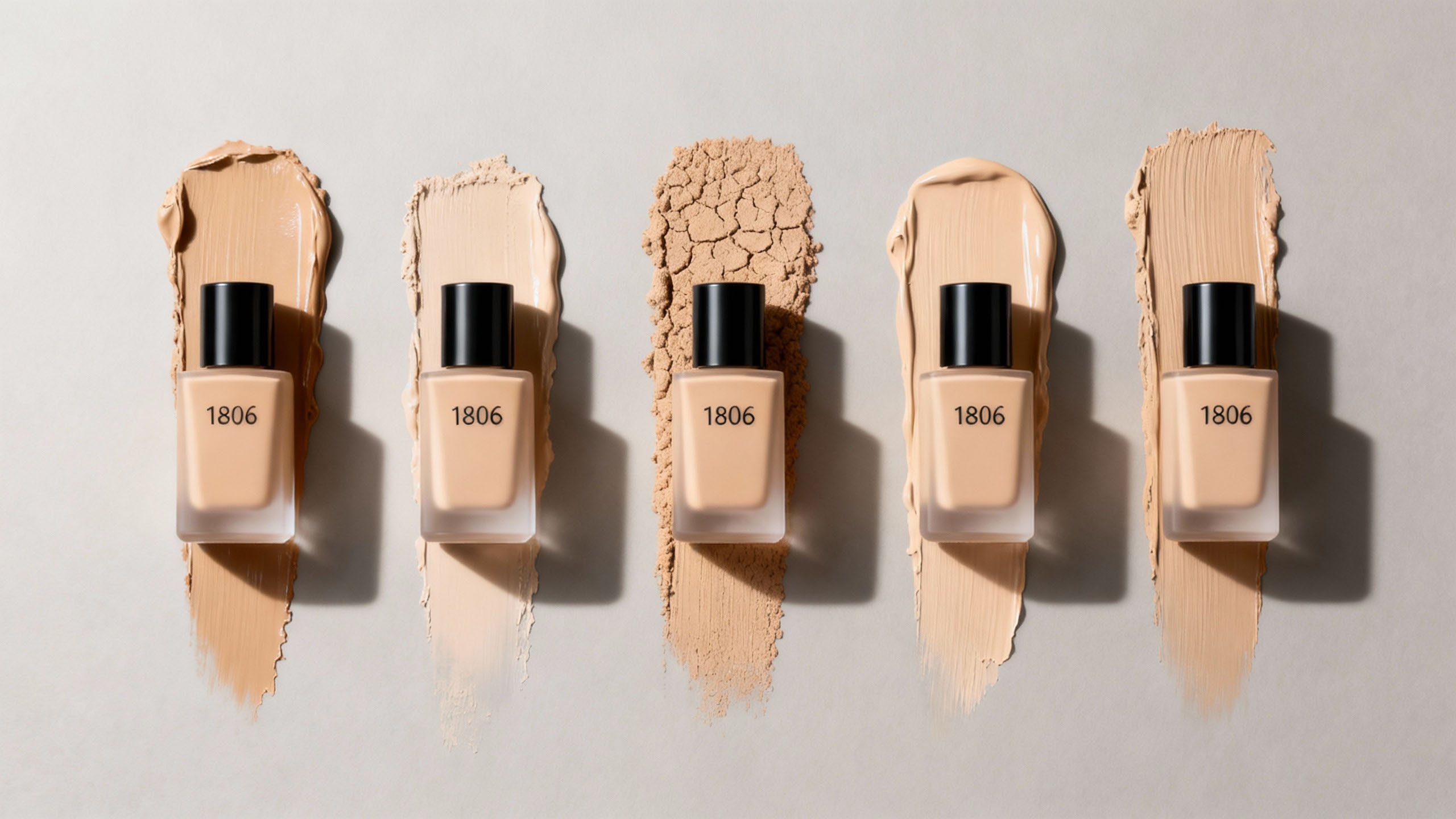
Some formulas are more stable than others.
Foundations labeled oil-free, non-comedogenic, or long-wear tend to oxidize less on oily or combination skin.
- Avoid overly creamy or oil-based formulas if oxidation is a concern
- Look for lightweight, breathable textures
- Check reviews for oxidation issues before buying
How Skin Prep Can Prevent Oxidation
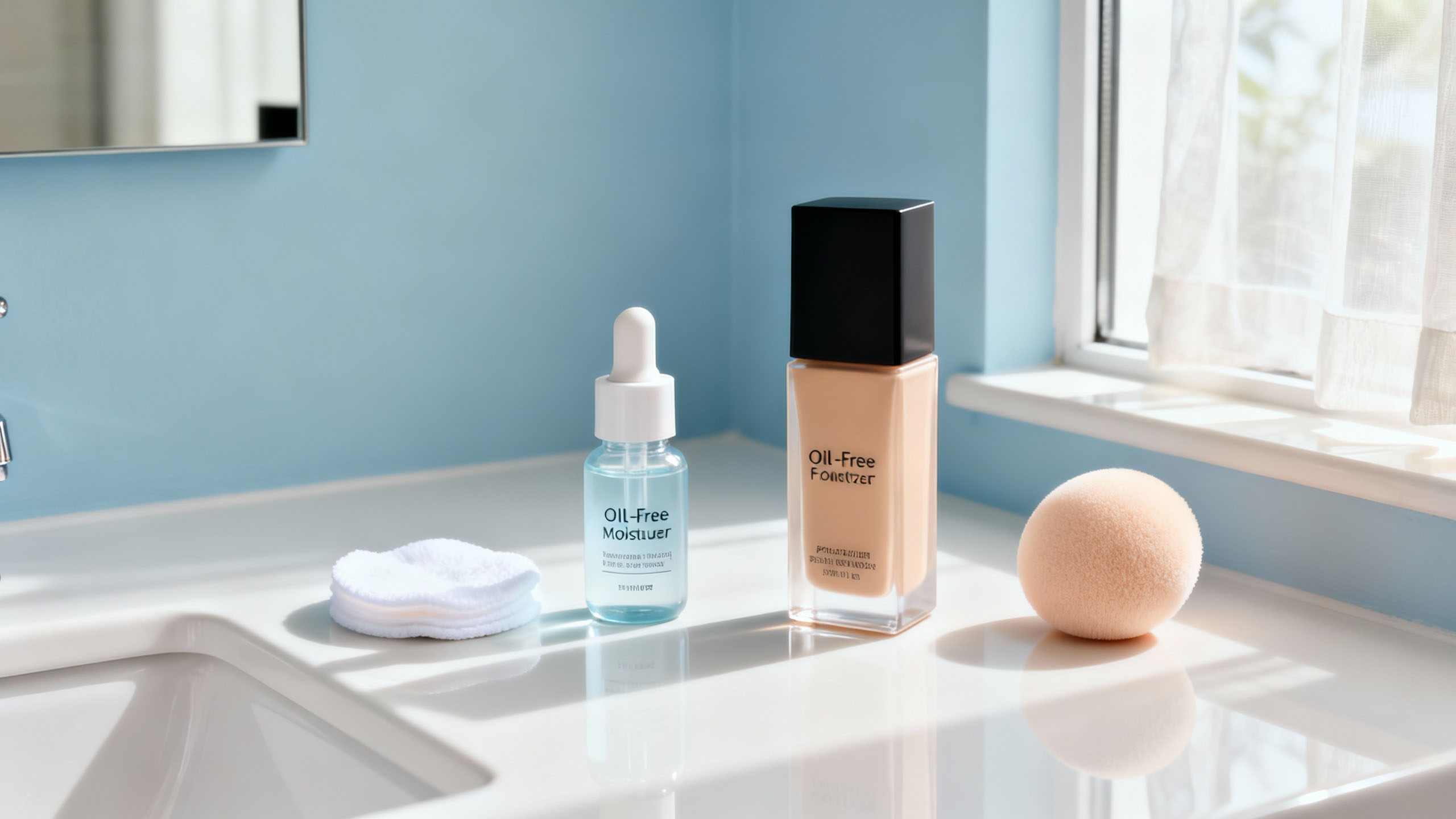
Proper skin prep creates a barrier between skin and foundation.
Good preparation reduces direct contact between foundation and excess oil.
- Cleanse skin thoroughly
- Use a lightweight, oil-free moisturizer
- Apply primer suited to your skin type
Correct Application Techniques
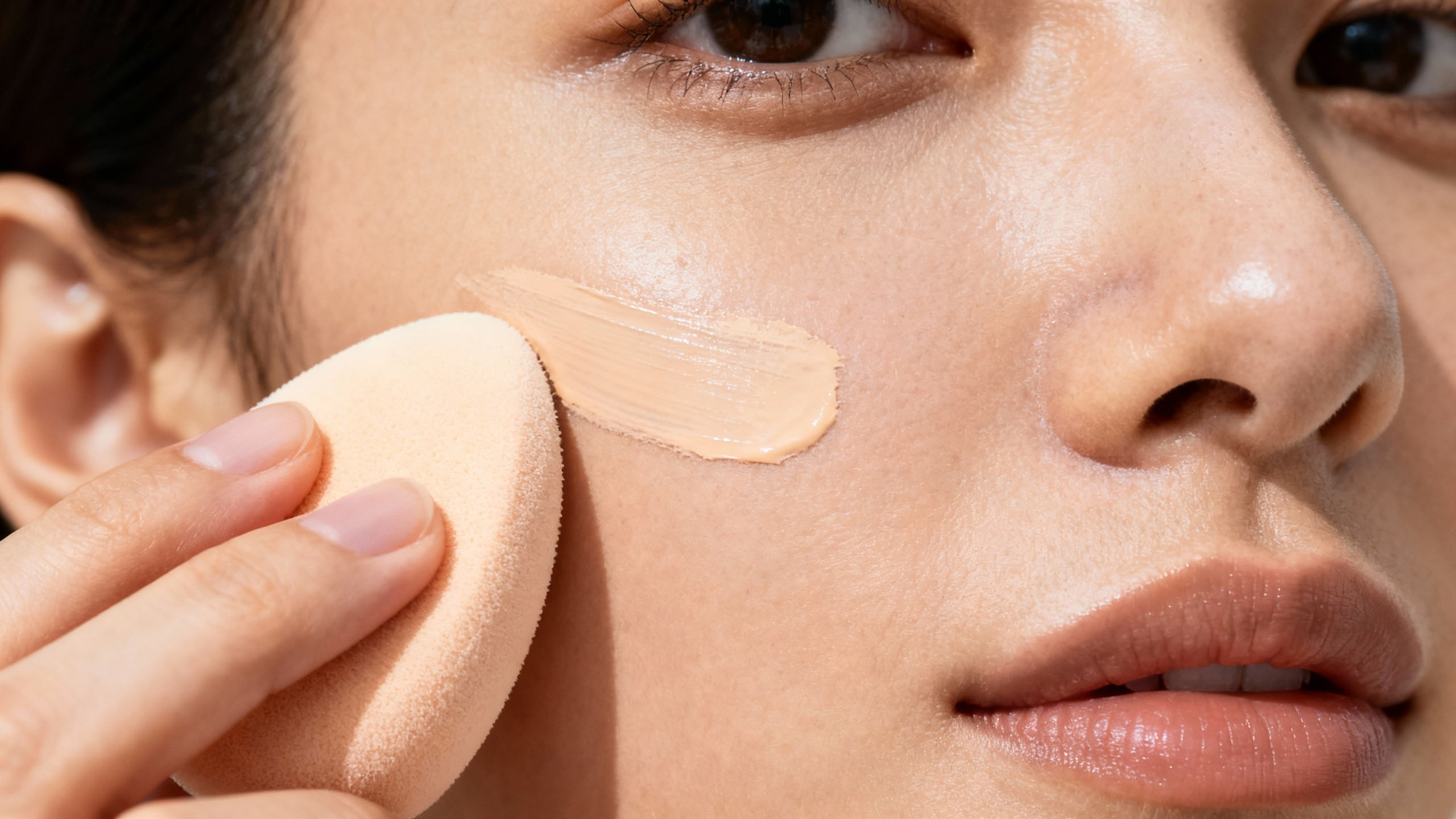
Thin layers reduce oxidation risk.
- Apply foundation in thin layers
- Allow foundation to set before adding more
- Avoid mixing multiple base products unnecessarily
How to Test Foundation for Oxidation
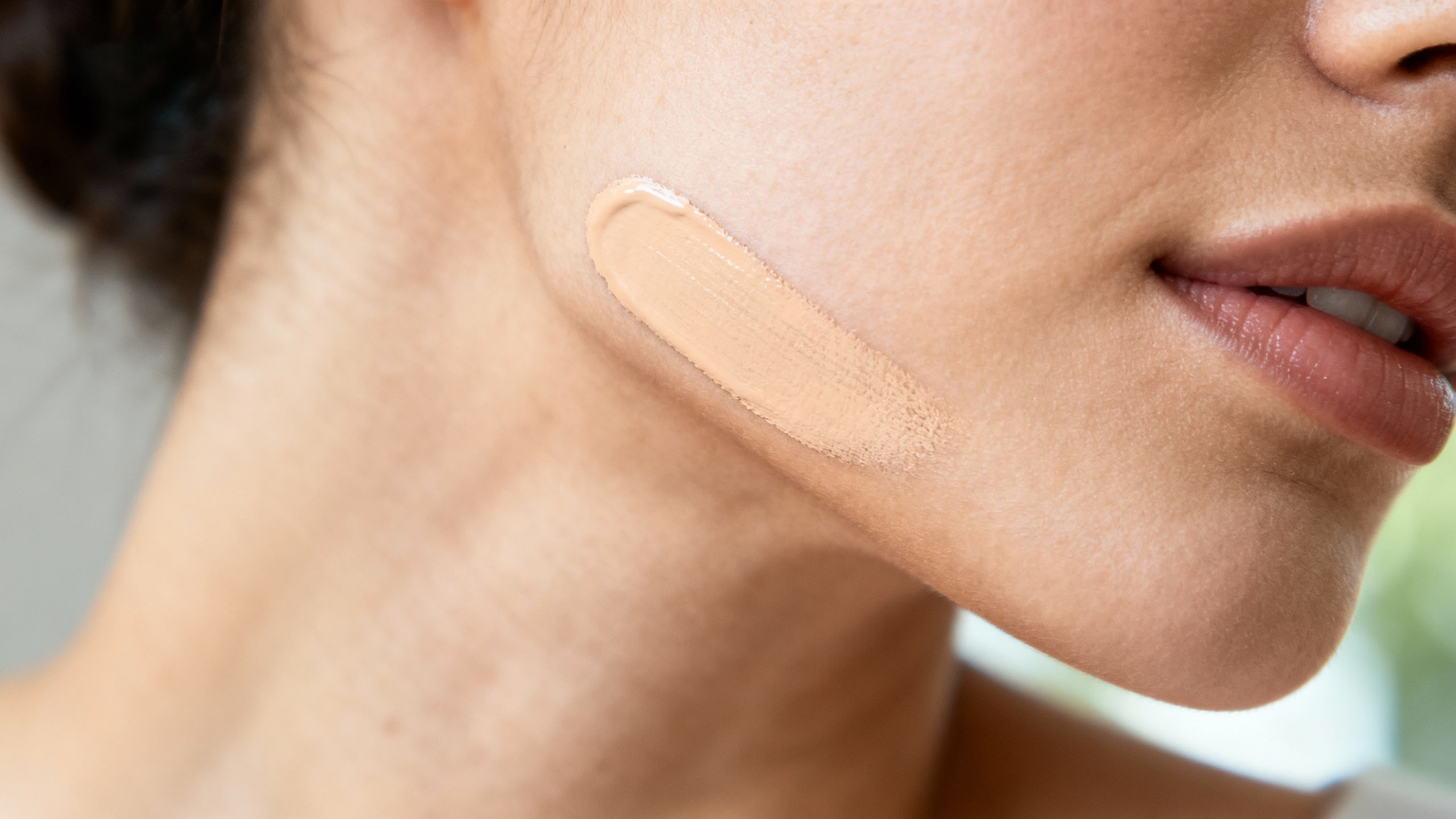
Always wait before deciding on a shade.
After applying foundation, wait at least 15–20 minutes and check the color in natural daylight.
If the shade darkens significantly, consider choosing a slightly lighter shade or a different formula.
Common Mistakes That Increase Oxidation
- Skipping primer
- Using heavy moisturizers under foundation
- Applying thick layers
- Not setting foundation properly
Conclusion
Foundation oxidation is common but avoidable. With the right formula, proper skin prep, and correct application, foundation can maintain its true color throughout the day.
Understanding how your skin interacts with foundation is the key to long-lasting, color-accurate makeup.