
Understanding why your hair is dry is the first step toward fixing it. In most cases, dryness is not caused by one reason alone, but by a combination of daily habits and environmental factors.
1. Overwashing Your Hair
Table of Contents
Washing your hair too often strips away its natural oils. These oils act as a protective barrier that locks moisture inside the hair shaft. When they’re removed repeatedly, hair becomes dry, rough, and fragile.
Tip: For dry hair, washing 2–3 times per week is usually enough.
2. Harsh Shampoos and Ingredients
Many shampoos contain strong sulfates and alcohols that clean aggressively but leave hair dehydrated. Dry hair needs gentle formulas that cleanse without stripping moisture.
Avoid:
- Sulfates (SLS, SLES)
- High alcohol content
- Frequent use of clarifying shampoos
3. Heat Styling Without Protection
Flat irons, curling wands, and blow dryers evaporate moisture from the hair. Without heat protection, repeated exposure weakens the hair cuticle and leads to chronic dryness.
4. Chemical Treatments
Hair coloring, bleaching, relaxing, and perming break down the hair’s natural structure. This makes it harder for hair to hold moisture, especially if treatments are done frequently.
5. Sun, Wind, and Environmental Stress
Just like skin, hair can be damaged by UV rays. Sun exposure dries out hair fibers, fades color, and increases breakage—especially if hair is already dry.
6. Natural Hair Type
Some hair types naturally produce less scalp oil. Curly and coily hair, in particular, struggles to distribute oils from the scalp down to the ends, making dryness more common.
The Right Dry Hair Care Routine (Step by Step)
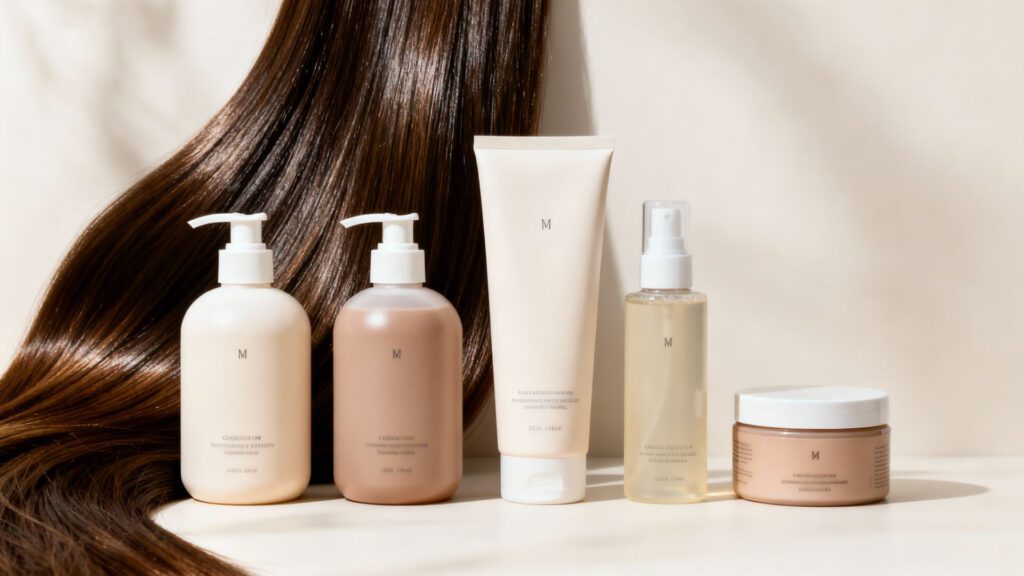
Dry hair doesn’t need complicated routines—it needs consistent, moisture-focused care. Here’s a simple routine that works for most people.
Step 1: Choose a Moisturizing Shampoo
Use a sulfate-free, hydrating shampoo designed for dry or damaged hair. These shampoos clean gently while helping your hair retain moisture.
How often?
2–3 times per week, depending on your lifestyle and scalp needs.
Step 2: Never Skip Conditioner
Conditioner is essential for dry hair. It smooths the cuticle, reduces friction, and helps seal moisture into the hair.
Pro tip:
Leave your conditioner on for at least 2–3 minutes before rinsing.
Step 3: Deep Condition Weekly
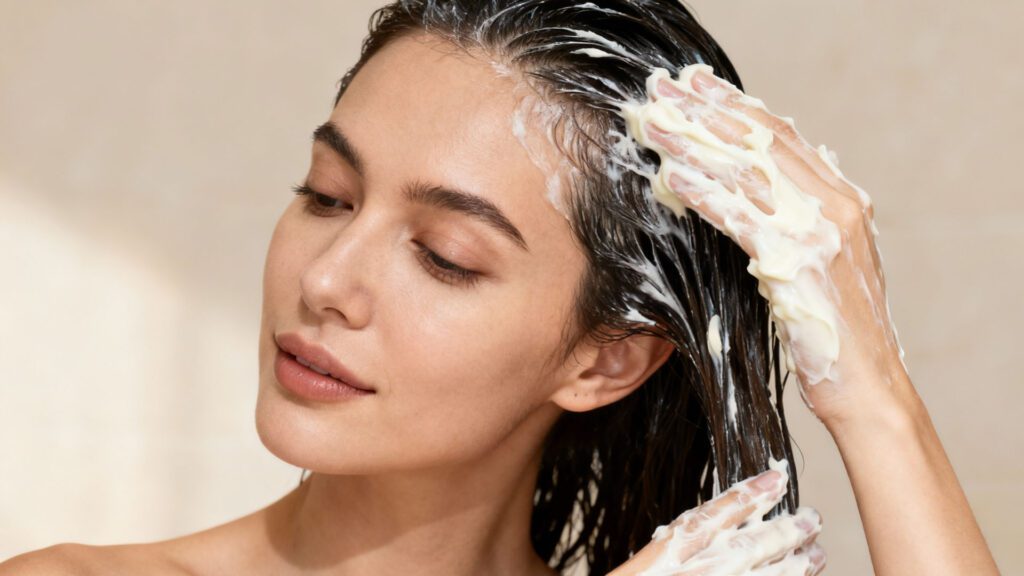
A deep conditioning mask once or twice a week can transform dry hair. Look for ingredients like:
- Shea butter
- Argan oil
- Coconut oil
- Aloe vera
- Keratin or proteins (in moderation)
Step 4: Use Leave-In Products
Leave-in conditioners or creams provide ongoing hydration throughout the day and protect hair from dryness and friction.
Step 5: Seal Moisture with Oils
After moisturizing, apply a light oil to seal hydration in. Focus on the mid-lengths and ends, not the scalp.
Good options include:
- Argan oil
- Jojoba oil
- Sweet almond oil
Step 6: Reduce Heat and Friction
- Limit heat styling as much as possible
- Always use a heat protectant
- Switch to microfiber towels or cotton T-shirts
- Sleep on a satin or silk pillowcase