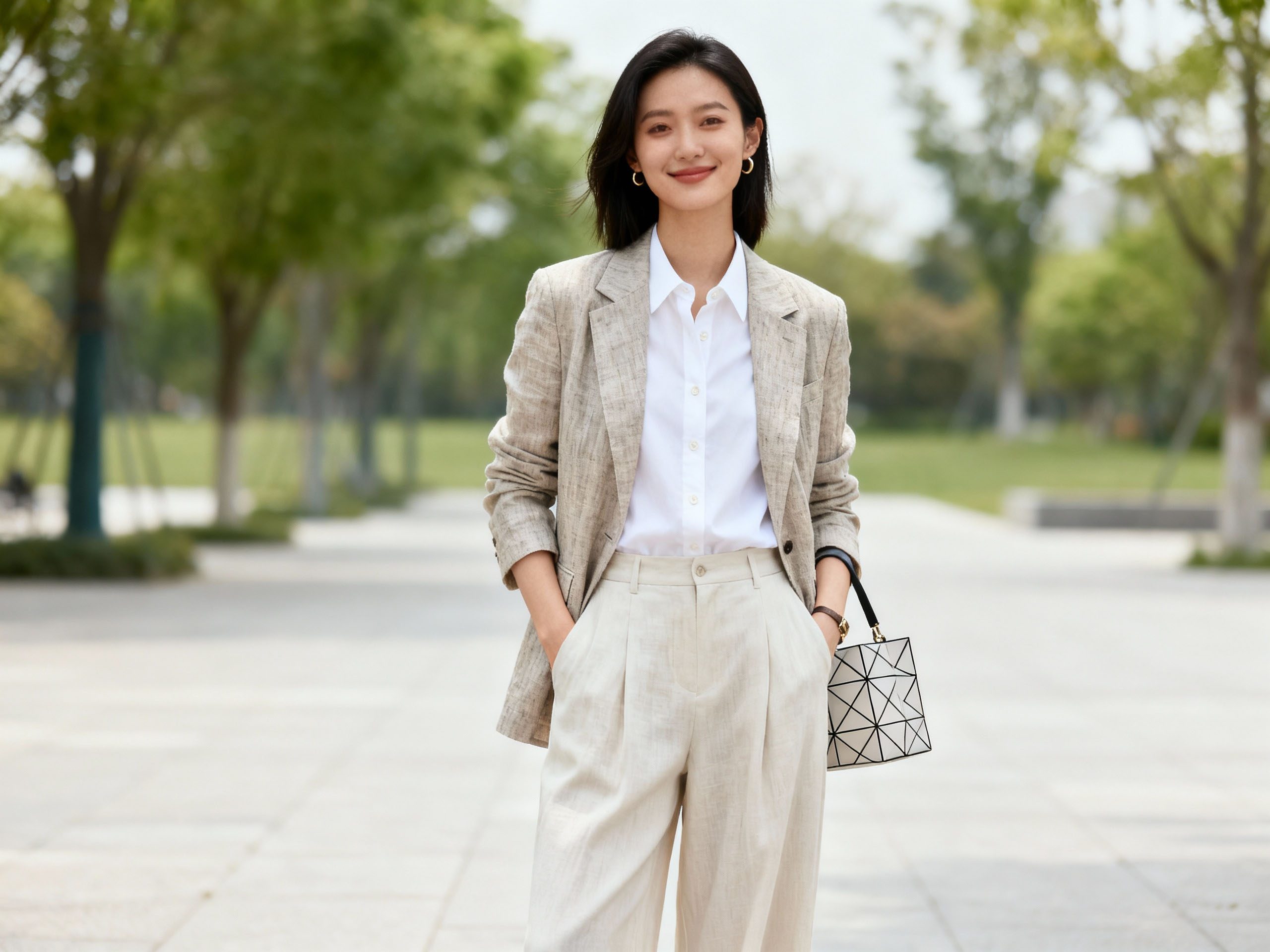
Dressing for the season does more than protect you from weather changes. It shapes how balanced, natural, and visually appropriate your outfit appears in everyday situations.
The Visual Impact of Seasonal Dressing
Table of Contents
Outfits that match the season look more intentional and effortless. When clothing aligns with the environment, the overall appearance feels calm instead of forced.
How Seasonal Clothing Enhances Proportions
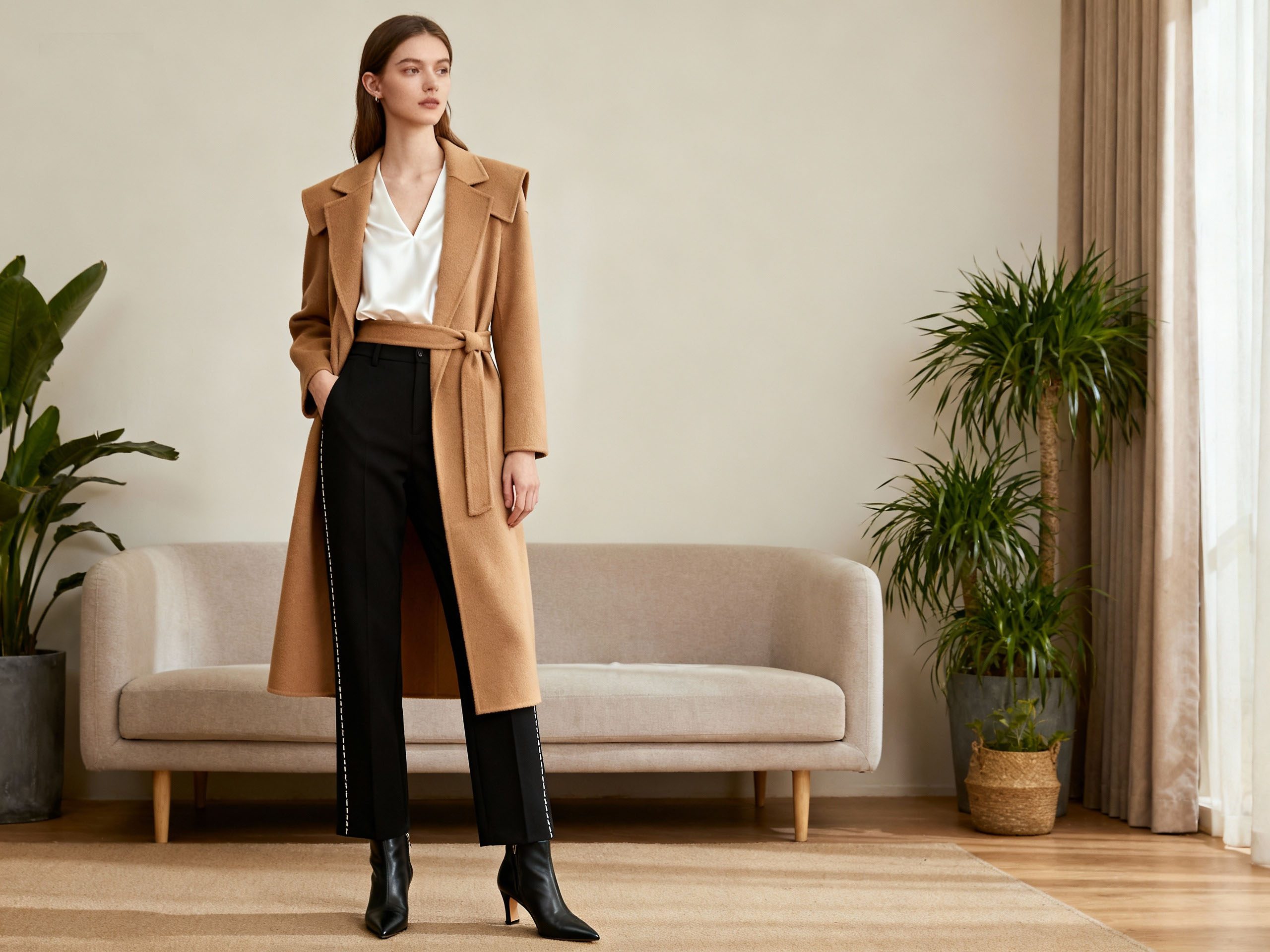
Seasonal fabrics and cuts affect how clothing sits on the body. Light materials flow better in warm weather, while structured layers add shape during colder seasons.
Color Choices Look Better in the Right Season
Colors interact with seasonal light and surroundings. Wearing season-appropriate colors makes outfits feel fresher, brighter, and more visually balanced.
Why Comfort Directly Improves Appearance
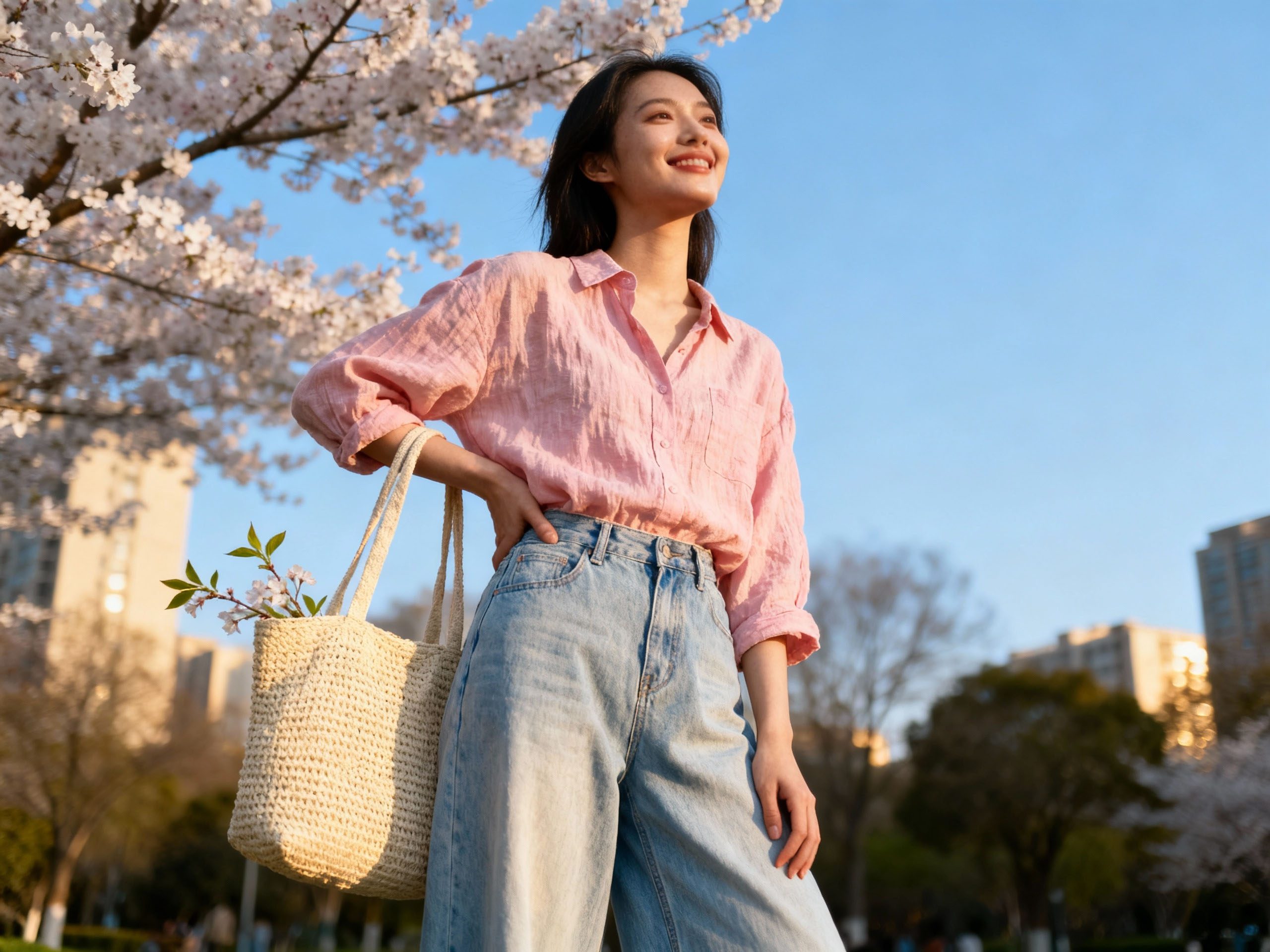
Comfort changes posture, movement, and confidence. When clothes feel right for the weather, your body language naturally improves your overall look.
Seasonal Dressing Reduces Styling Mistakes
Many fashion mistakes come from ignoring the season. Heavy fabrics in heat or light clothing in cold weather make outfits look disconnected and impractical.
Looking Appropriate Builds Style Credibility
Seasonal awareness signals attention to detail. People often perceive season-appropriate outfits as more polished and thoughtfully styled.
How Seasonal Dressing Supports Personal Style
Dressing for the season does not limit creativity. It provides a framework that helps personal style look more refined and intentional.
Conclusion
Dressing for the season improves both comfort and appearance. When clothing matches weather, color, and fabric needs, style looks natural and confident.