
212
Complementary colors sit opposite each other on the color wheel and create strong visual contrast. When used correctly in clothing, they make outfits stand out without looking chaotic.
The key is balance and controlled use.
What Are Complementary Colors
Table of Contents
Complementary colors are pairs found directly across from each other on the color wheel.
- Blue and orange
- Red and green
- Yellow and purple
Why Complementary Colors Work
These combinations create energy and visual interest.
They work best when one color is dominant and the other is used as an accent.
How to Wear Complementary Colors
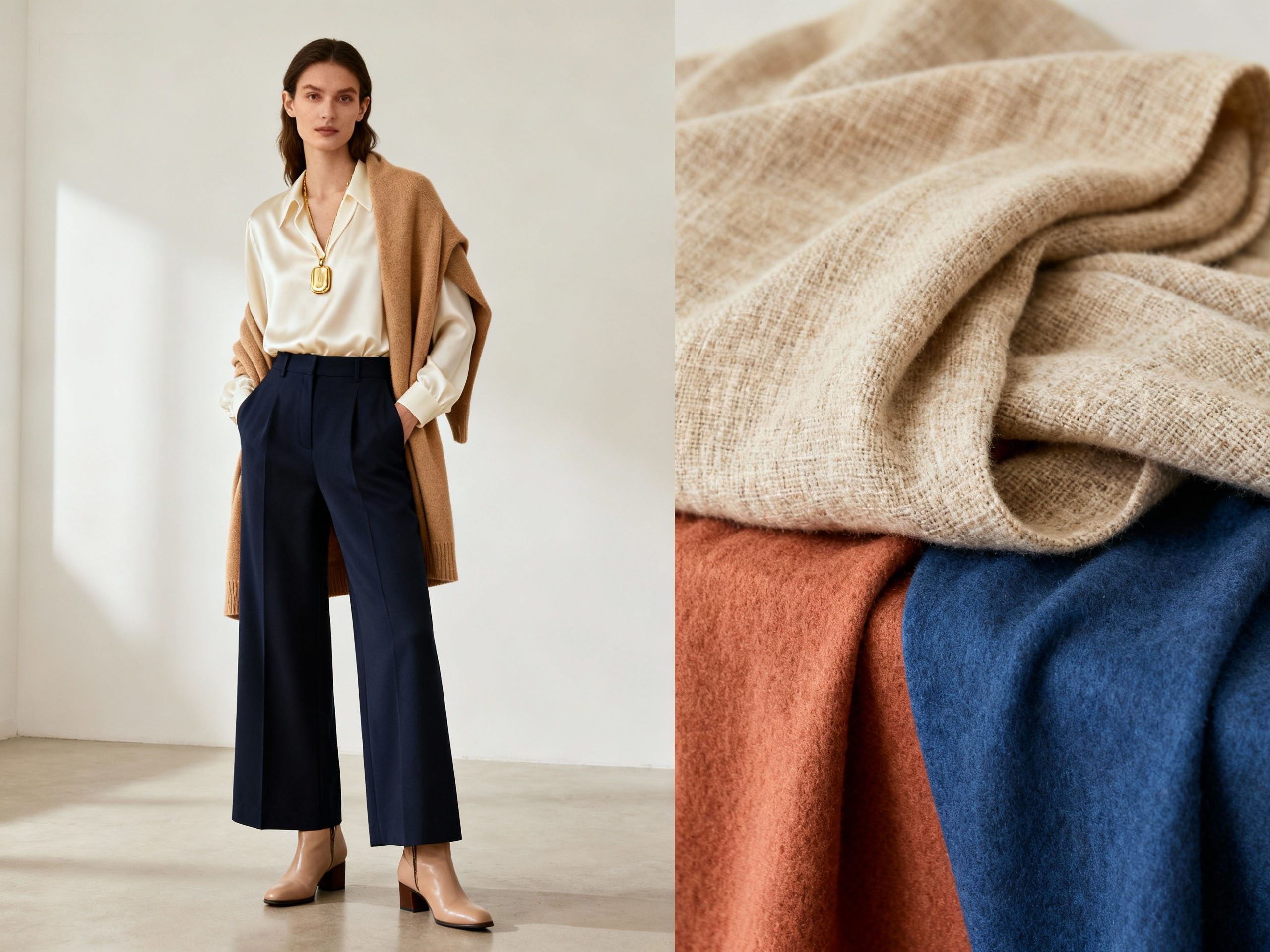
Balance prevents complementary colors from clashing.
- Use one color in larger areas
- Add the complementary color in accessories
- Soften the look with neutrals
Best Complementary Color Pairings for Everyday Wear
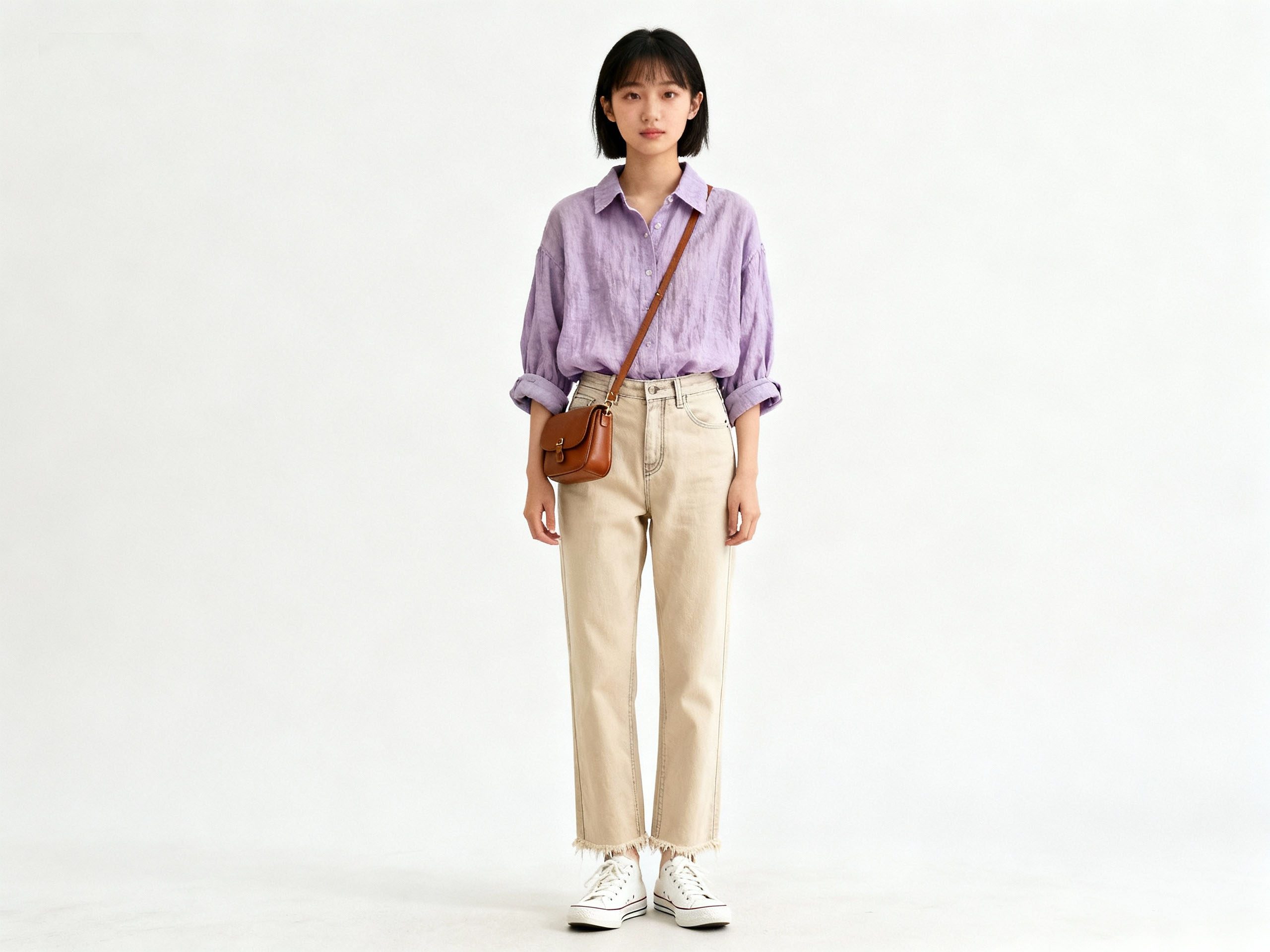
- Navy and rust
- Burgundy and olive
- Mustard and deep purple
Common Mistakes to Avoid
- Using both colors equally bold
- Ignoring neutral balance
- Overloading the outfit
Conclusion
Complementary colors add impact and personality to outfits.
When balanced correctly, they create bold yet stylish looks.