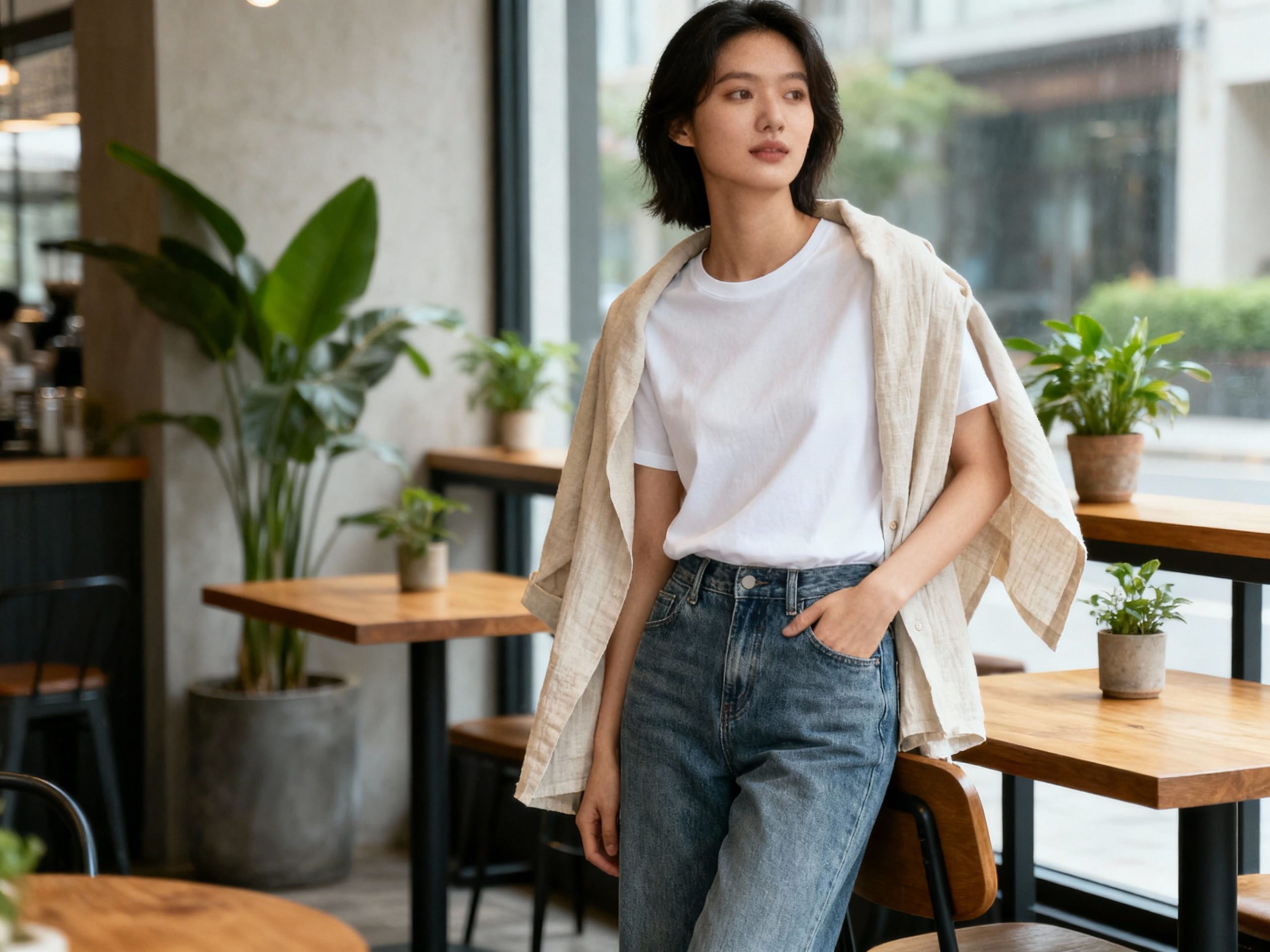
Styling basic pieces casually is about balance, simplicity, and intention rather than following strict rules or trends. Basic items like t-shirts, jeans, sneakers, hoodies, and simple jackets form the foundation of casual style, but how they are combined makes the difference between looking effortless and looking unfinished. Casual styling focuses on making these pieces feel natural, comfortable, and put together at the same time.
Fit is the first and most important factor. Even the simplest pieces look better when they fit your body well. A basic t-shirt should sit comfortably on the shoulders, jeans should feel easy to move in without being overly baggy or tight, and layers should not feel restrictive. Good fit instantly elevates basics without adding effort.
Layering is another key element in casual styling. Adding a lightweight jacket, overshirt, cardigan, or hoodie creates depth and makes an outfit feel more intentional. Layers allow you to adapt to temperature changes and add visual interest while keeping the overall look relaxed. Keeping layers simple and neutral helps maintain a clean casual vibe.
Color coordination plays a big role as well. Sticking to a limited color palette makes basic outfits feel cohesive and easy on the eye. Neutral tones like white, black, gray, beige, and navy work well as a base, while one soft or muted color can add freshness without overpowering the look. Avoiding too many bold colors helps keep the style casual and wearable.
Footwear and accessories finish the outfit. Clean sneakers, simple shoes, or casual boots can define the tone of the look. Accessories such as a watch, cap, or minimal bag add personality without making the outfit feel overstyled. The key is restraint, choosing a few details rather than many.
Casual styling is about looking comfortable and confident in what you are wearing. When basic pieces are chosen thoughtfully and combined with balance, they create outfits that feel effortless, modern, and suitable for everyday life.
Start With Well-Fitting Basics
Table of Contents
Starting with well-fitting basics is the most important step in casual styling. No matter how simple a piece is, it will always look better when it fits your body properly. Basics like t-shirts, jeans, and casual tops should sit comfortably on the shoulders, follow the natural shape of the body, and allow easy movement without feeling tight or overly loose.
Well-fitting basics create a clean foundation for any outfit. When the fit is right, clothes look intentional rather than sloppy, even without layering or accessories. A good fit also improves comfort, which is essential for casual style. If you feel comfortable in what you are wearing, it naturally shows in how you carry yourself.
Focusing on fit before trends or details makes styling easier. Once your basics fit well, mixing, layering, and dressing casually becomes effortless. Well-fitting basics do most of the work on their own, making them the strongest building blocks of everyday casual outfits.
Build Around a Simple Outfit Formula
Basic pieces work best when combined thoughtfully.
- T-shirt + jeans + sneakers
- Basic top + chinos
- Simple shirt + casual pants
Building around a simple outfit formula makes casual styling easier, faster, and more consistent. Instead of trying to create a new look from scratch every time, an outfit formula gives you a reliable structure that you can repeat and adjust. This reduces decision fatigue and helps basics feel intentional rather than random.
A simple formula usually includes three main elements: a base piece, a layer, and footwear. For example, a t-shirt or simple top as the base, jeans or casual trousers, a lightweight jacket or overshirt, and clean sneakers. Once you find a combination that works for you, you can rotate colors, fabrics, or fits without changing the overall structure.
Using an outfit formula also helps basics look more polished. Repeating a familiar structure creates balance and consistency, even when pieces change. This approach keeps casual outfits effortless while still looking put together, making everyday styling feel natural and stress-free.
Use Layering to Elevate Basics

Layering adds depth and structure to basic outfits.
Using layering is one of the easiest ways to elevate basic pieces and make casual outfits feel more intentional. Adding a simple extra layer creates depth and structure, even when the base outfit is very minimal. A basic t-shirt and jeans instantly look more styled when paired with a lightweight jacket, overshirt, cardigan, or hoodie.
Layering helps basics feel less flat and more complete. It introduces contrast in texture, shape, and color without requiring bold or trendy items. Even neutral layers can add interest by breaking up the outfit and guiding the eye. This makes simple pieces look thoughtfully put together rather than plain.
Layering is also practical and flexible. It allows you to adapt to changing temperatures and different settings while keeping the outfit casual. By keeping layers clean, well-fitting, and simple, basics are elevated in a natural way that feels effortless, comfortable, and suitable for everyday wear.
Stick to Neutral and Soft Colors
Sticking to neutral and soft colors makes casual outfits feel balanced, clean, and easy to wear. Neutrals such as white, beige, gray, navy, and black create a strong foundation that allows basic pieces to work together effortlessly. Soft tones keep outfits from feeling too bold or busy, which helps maintain a relaxed and natural casual look.
Neutral and soft colors also make styling simpler. When most of your outfit stays within a calm color range, mixing and matching becomes easier and outfits look more cohesive without much effort. These shades work well with layering, allowing different pieces to blend smoothly rather than compete for attention.
Another advantage of neutral and soft colors is versatility. They transition easily between seasons and settings, making casual outfits feel appropriate in many situations. By keeping colors understated, basics appear more refined and intentional, helping casual style look effortless rather than unfinished.
Choose Shoes That Match the Casual Vibe
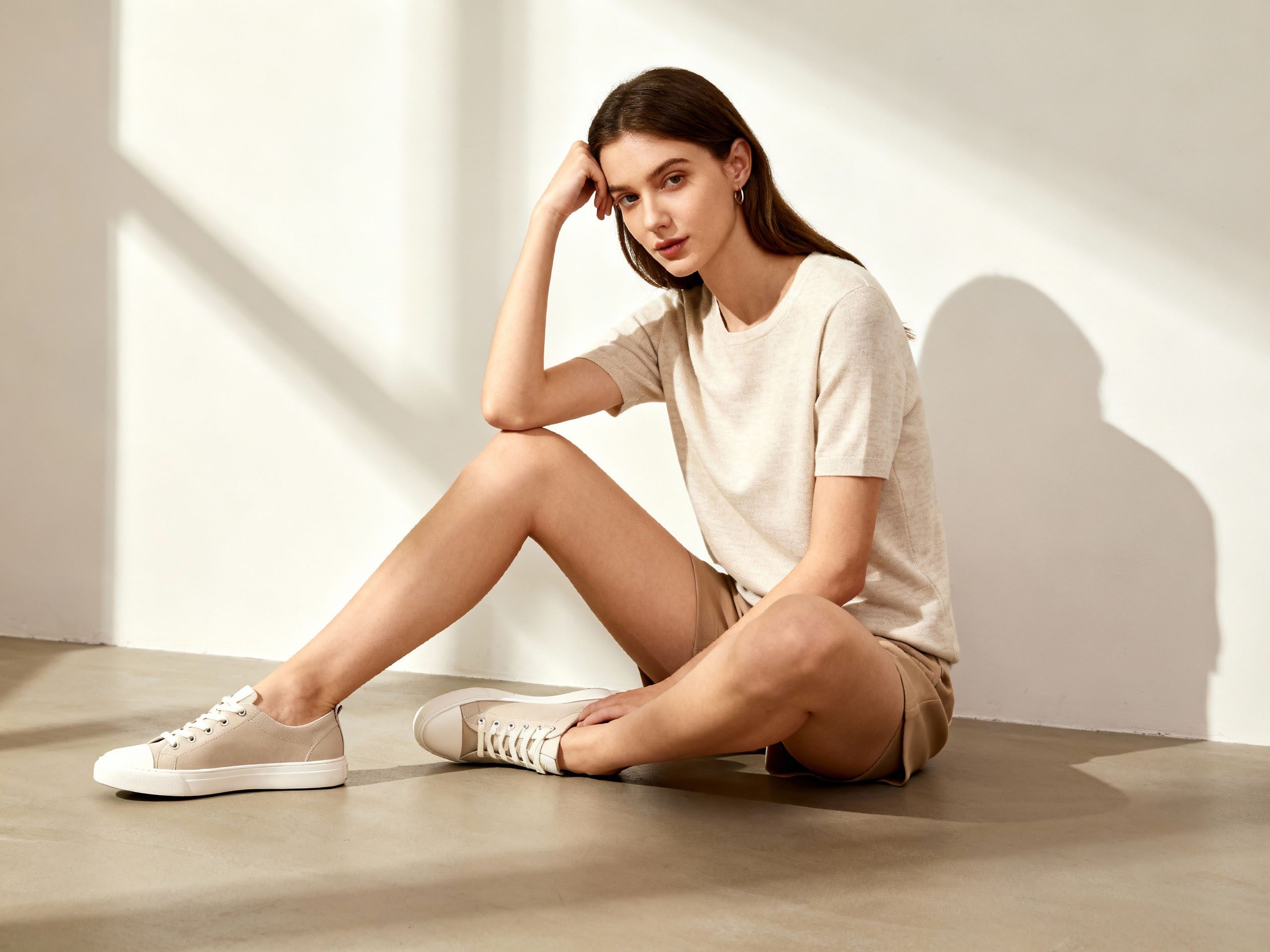
Shoes help define the overall casual look.
Clean sneakers or simple casual shoes keep basic outfits balanced.
- Minimal sneakers
- Casual slip-ons
- Simple everyday shoes
Choosing shoes that match the casual vibe is essential for making basic outfits feel cohesive and intentional. Shoes often set the tone of an outfit, and even simple clothing can look mismatched if the footwear feels too formal or out of place. Casual styling works best when shoes support comfort, ease, and everyday practicality.
Clean sneakers, casual loafers, slip-ons, or simple flats naturally complement basic pieces like jeans, t-shirts, and relaxed layers. These styles keep the outfit grounded and approachable while still looking put together. Shoes that are overly formal or heavily detailed can disrupt the relaxed balance of a casual look and make the outfit feel inconsistent.
Comfort also plays a major role. Casual fashion is built around wearability, and shoes that are easy to walk in help reinforce that feeling. When footwear aligns with both the style and function of the outfit, the overall look feels natural, effortless, and suitable for daily life.
Pay Attention to Fabric Quality
Paying attention to fabric quality makes a noticeable difference when styling basic pieces casually. Even the simplest items look better when they are made from good-quality materials. Fabrics affect how clothes drape, feel on the body, and hold their shape over time. Poor-quality fabrics often wrinkle easily, lose structure, or look worn quickly, which can make an outfit feel sloppy rather than relaxed.
High-quality fabrics tend to feel more comfortable and breathable, which supports the casual look by allowing clothes to move naturally with the body. Cotton with a good weight, soft knits, linen blends, and well-made denim elevate basics without changing their simplicity. These fabrics create cleaner lines and a more polished appearance, even in very minimal outfits.
Choosing better fabrics also improves longevity. Basics are worn often, so investing in quality materials means they stay looking good longer and remain reliable wardrobe staples. When fabric quality is right, casual outfits feel intentional, comfortable, and effortlessly put together without needing extra styling.
Keep Accessories Minimal
Keeping accessories minimal helps casual outfits look clean, balanced, and effortless. When styling basic pieces, too many accessories can make the outfit feel forced or overdone. Casual fashion works best when details are subtle and intentional rather than attention-grabbing.
Simple accessories such as a watch, a small bag, a cap, or understated jewelry add personality without overwhelming the look. These small touches enhance the outfit while allowing the basics to remain the focus. Minimal accessories also support versatility, making the same outfit suitable for different settings without adjustment.
Restraint is what keeps casual style feeling natural. By choosing a few well-selected accessories instead of many, outfits stay relaxed, modern, and easy to wear. Minimal accessories complete the look without taking away from the simplicity that defines casual fashion.
Avoid Overstyling Basics
Avoiding overstyling basics is key to keeping casual outfits natural and effortless. Basics are meant to feel relaxed and easy, and adding too many elements can make them look forced or overly planned. When too much styling is applied, the simplicity that makes basic pieces appealing is lost.
Overstyling often happens through excessive layering, too many accessories, or mixing too many colors and textures at once. These choices can overwhelm the outfit and shift it away from casual into something that feels complicated. Letting basics breathe by keeping combinations simple allows their clean lines and comfortable fit to stand out.
Casual style is about balance and restraint. By trusting simple pieces and limiting extra details, outfits feel more confident and authentic. Basics look best when they are styled with intention but not overworked, creating a relaxed look that feels modern and wearable.
Common Mistakes When Styling Basics
- Poor fit
- Worn-out basics
- Over-layering
One common mistake when styling basics is choosing the wrong fit. Basics that are too tight, too loose, or poorly shaped can make an outfit look sloppy rather than relaxed. Casual style still relies on good proportions, and ill-fitting pieces can undermine even the simplest outfit.
Another mistake is relying too heavily on trends. Basics are meant to be timeless, but adding too many trendy elements can make them feel forced or quickly outdated. This often leads to outfits that lack cohesion and lose the effortless quality that casual styling is meant to have.
Over-accessorizing is also a frequent issue. Adding too many accessories, layers, or statement pieces can overwhelm basic items and make the outfit feel busy. Basics work best when accessories are minimal and supportive rather than dominant.
Ignoring fabric quality is another common problem. Low-quality fabrics can wrinkle easily, lose shape, or look worn, which affects the overall appearance of the outfit. Even simple pieces look more polished when the fabric has good structure and durability.
Finally, trying too hard to “dress up” basics can strip them of their casual appeal. When basics are overstyled, they lose their natural ease. Avoiding these mistakes helps keep casual outfits clean, balanced, and genuinely effortless.
Conclusion
Styling basic pieces casually is about intention, balance, and simplicity rather than adding more. Well-fitting basics, clean outfit formulas, thoughtful layering, and neutral colors create a strong foundation that makes everyday outfits feel natural and put together. Paying attention to fabric quality, choosing the right shoes, and keeping accessories minimal all help elevate basics without losing their relaxed appeal.
Avoiding overstyling and common mistakes allows basics to do what they are meant to do: look effortless and comfortable. Casual style works best when it feels authentic and easy, not forced or overly planned. By focusing on fit, quality, and restraint, basic pieces become versatile wardrobe essentials that support a confident, modern, and wearable casual look.