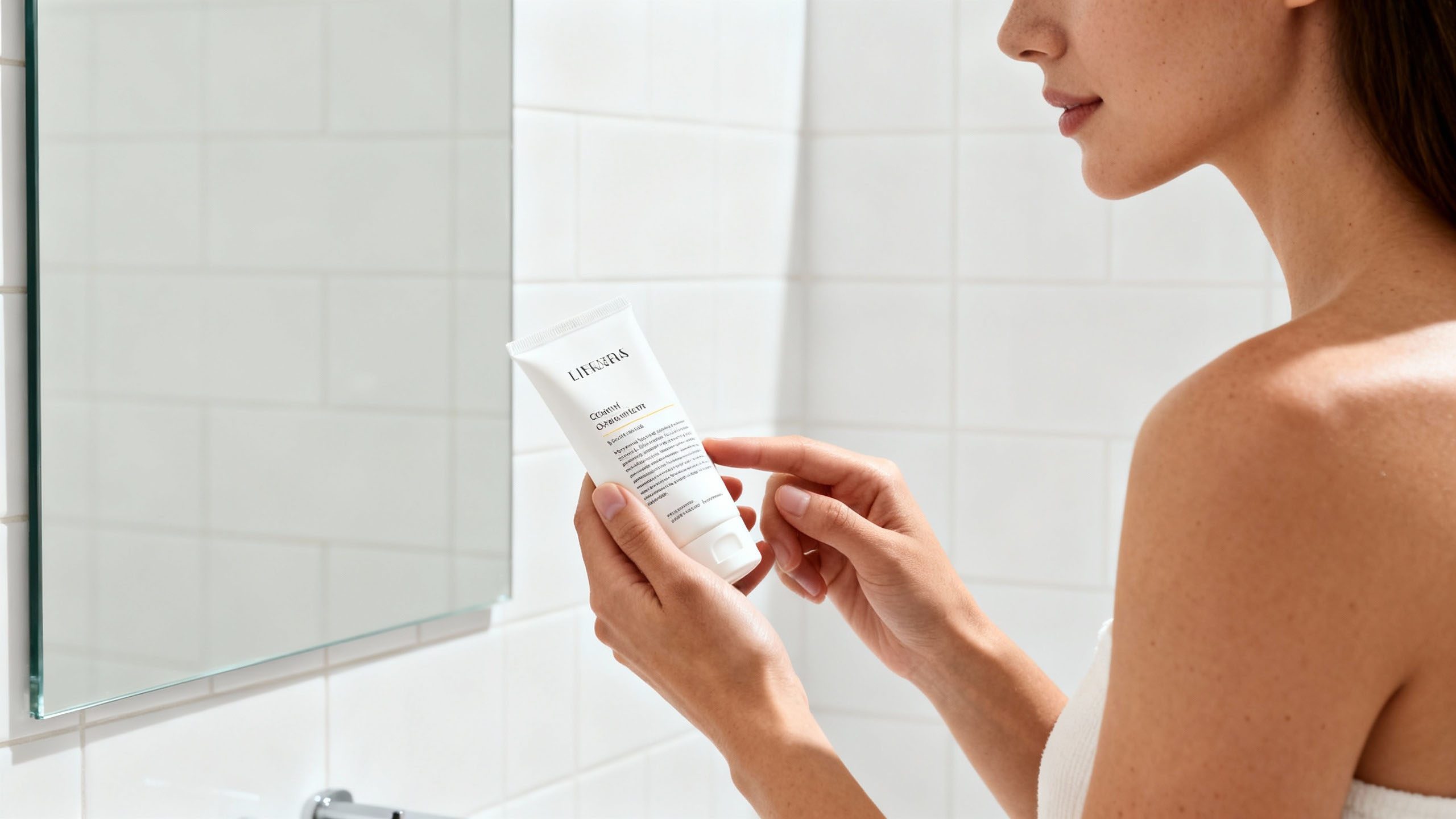
Buying skincare products without knowing your skin type is one of the most common reasons people experience breakouts, irritation, or disappointing results. Marketing claims and trending products can be tempting, but skincare is never one-size-fits-all.
Understanding your skin type before purchasing skincare products helps you make smarter choices, protect your skin barrier, and avoid wasting money on products that do not suit your needs.
What Does Skin Type Really Mean?
Table of Contents
Skin type refers to how your skin naturally behaves, especially how much oil it produces and how well it retains moisture. This natural behavior influences how your skin reacts to different ingredients and formulations.
The main skin types include oily, dry, combination, normal, and sensitive. Each type requires a different approach to cleansing, moisturizing, and treatment.
Why Skincare Products Are Formulated for Specific Skin Types
Every skincare formula is designed with a specific skin behavior in mind. Ingredients, textures, and concentrations are carefully chosen to match certain needs.
- Oily skin products focus on oil control and lightweight hydration
- Dry skin products prioritize moisture retention and barrier repair
- Sensitive skin products minimize irritation and inflammation
Using products outside your skin type can disrupt your skin’s balance.
What Happens When You Buy Skincare for the Wrong Skin Type?
Using the wrong products may create new skin problems instead of solving existing ones.
- Rich creams on oily skin can clog pores and cause breakouts
- Strong oil-control products can strip dry skin and worsen flaking
- Harsh formulas can irritate sensitive skin
These issues often lead people to think skincare does not work, when the real issue is product mismatch.
How Knowing Your Skin Type Saves You Money
Skincare products can be expensive, especially when experimenting blindly.
When you know your skin type, you avoid unnecessary trial-and-error purchases and invest only in products that align with your skin’s needs.
How Skin Type Influences Ingredient Selection
Ingredients behave differently depending on skin type.
- Oily skin benefits from ingredients like niacinamide and salicylic acid
- Dry skin responds better to ceramides, glycerin, and hyaluronic acid
- Sensitive skin needs soothing ingredients like panthenol and allantoin
Knowing your skin type helps you read ingredient lists with purpose.
Skin Type vs Temporary Skin Issues
Many people confuse skin type with skin conditions such as acne, dehydration, or redness.
Your skin type stays mostly consistent, while conditions can change based on stress, weather, hormones, or lifestyle. Treating conditions without respecting your skin type can lead to imbalance.
How to Shop for Skincare the Smart Way
Before buying any skincare product, ask yourself:
- What is my skin type?
- Is this product formulated for my skin type?
- Does it contain ingredients that support my skin’s needs?
This simple checklist can prevent many skincare mistakes.
Conclusion
Knowing your skin type is essential before buying skincare because it determines how your skin will react to products.
When you shop with your skin type in mind, skincare becomes more effective, more affordable, and far less frustrating.